ATTRACTIONS
&
EXPERIENCES
LORRAINE

Located not far from Germany, Belgium and Luxembourg, the land of Mirabelle plums and gray wines has, in addition to its rich natural, cultural and gastronomic heritage, an important historical heritage, as evidenced by the high places. memory of the First World War around Verdun .
Land of traditions and know-how, Lorraine can pride itself on hosting such prestigious sites as the crystal works of Baccarat and Saint-Louis, the imagery of Epinal and the earthenware factory of Lunéville . The famous artistic movement of Art Nouveau has left its mark wonderfully in the heart of the center of Nancy . A little further north, the famous city of Metz unveils its finery, with its Gothic cathedral, romantic canals and numerous parks and gardens.
Relaxation enthusiasts can recharge their batteries in the thermal spas of Contrexéville or Vittel .


Gastronomy
Quiche Lorraine: Although quiches can be made with nearly anything, from meats and vegetables to seafood, herbs, and cheeses, the king among these delicious baked tarts is still the original quiche Lorraine, consisting simply of a shortcrust dough base that is filled with bacon, eggs, cream, nutmeg, and a dash of salt and pepper.The word quiche is thought to have been adapted from the German word küchen, meaning cake, as the first Lorraine quiches were made with bread dough instead of shortcrust dough. In the French region of Lorraine, it is traditionally served on May Day as an accompaniment to roasted suckling pig. Any other day in the year, it is served as an appetizer, usually with a green salad on the side, and it is typically consumed either at room temperature or warm, while the golden-brown crust is still crunchy.
Bouchée à la reine : Bouchées à la Reine are small, savory vol-au-vent pastries filled with a combination of white sauce and a mixture of diced chicken, truffles, white wine, and mushrooms. There is also a number of variations for the filling such as veal, olives, and ham or seefood. The pastries, which are usually served as an appetizer, were originally invented for Marie Leczinska, the wife of Louis XV and the Queen of France. Not unusual, since the name of the dish literally translates to the Queen’s mouthfuls. Although this classic is mainly served as an appetizer, it can also be served as a main course, and it is recommended to pair it with a fresh green salad on the side.
Vosges salad: The Vosges salad is an essential part of the Lorraine cuisine, even if its interpretations are multiple. Let’s say that the basis justifying its name rests on the triptych green salad (escarole, lettuce, curly lettuce or dandelion), smoked bacon and fresh cream generously poured!
Pâté Lorrain: Pâté Lorrain is a French dish consisting of marinated meat that is wrapped in puff pastry. In traditional French cuisine, the meat needs to be a mixture of pork and veal, although modern recipes also suggest other varieties, such as rabbit or chicken. The meat is sliced and marinated in a flavorful mixture of wine, thyme, parsley, bay leaves, and shallots. Before baking, it is completely enclosed in puff pastry. The best way to serve this French classic is warm or chilled, with salad on the side.
Potée Lorraine: Potée Lorraine is a unique French stew belonging to a group of potée dishes–classic French dishes cooked in traditional earthenware pots. As the name suggests, this particular variety originates from the Lorraine region, situated in north-eastern France.It combines meat, potatoes, and vegetables, and transforms them into an authentic meal. Traditionally, pork shoulder or pork knuckles are used as the main ingredient–they are supposed to be cooked whole, then cut from the bone. The meat is cooked first–usually for a couple of hours–while the vegetables are added later, most commonly cabbage, carrots, turnips, and leeks. The final addition is a traditional French sausage which is cooked together with meat and vegetables. This nutritious dish is usually served in a particular order: the soup comes first, followed by sliced vegetables, then the meat, which is placed on top of other ingredients. It is usually served warm, but due to the time-consuming method of preparation, it is usually cooked in larger quantities.
Fuseau Lorrain: Fuseau Lorrain is the local specialty sausage of the French Lorraine region. It is a soft, dry smoked sausage that has been produced since the 17th century. It consists of ground pork and selected seasonings such as minced shallots, red wine, parsley, and nutmeg.
Munster Gerome: Munster is a soft, creamy cheese with an orange-colored washed rind, produced in the Alsace and Lorraine area in France. The cheese is made from cow’s milk: smaller cheeses mature in cellars for at least 14 days, and regular sized cheeses for at least 21 days. Its name comes from a small town called Munster (Monastery), where monks have been making the cheese since the Middle Ages. Munster’s aroma is strong and pungent, similar to that of fried eggs, and the flavor is tangy, so it is best enjoyed with strong beers, full-bodied red wines.
Carré de l’Est: Carré de l’Est is a French cheese made with cow’s milk. It originates from the region of Lorraine. The cheese is traditionally left to mature for 5 weeks. It has a brine-washed rind, pale yellow color, and a pungent, smoky flavor, while the texture is very soft, even more buttery than Brie. The name of this cheese means square of the East, referring to its region of origin and its shape, because carré means square. Carré de l’Est is so popular in France that it can be found throughout the country.
The Lorraine Mirabelle: A specialty of the Lorraine region in France since the 16th century, these plums are small with a striking yellow to golden color. Their flesh has a smooth, fine texture and on the outside, the skin has numerous tiny spots. Usually eaten fresh or cooked in jams and pies, Mirabelle plums have a sweet, delicate taste and are harvested in September. A great thing about them is that they don’t have a pit on the inside, so there is no need to manually remove it before cooking. The plums can also be used in tarts, soufflés and sauces, and chefs are still inventing new recipes based on these unique plums.
After wine diseases destroyed the Lorraine vineyard at the beginning of the century, producers had to turn to alternative crops: gooseberries, blackcurrants, strawberries and …Mirabelle plums, which in Lorraine had a perfume and sugar found nowhere else. The Mirabelle plum festival was a way to make this tasty product known. Each Mirabelle plum-producing village sent a large part of its harvest to Metz, which was sold at a huge Mirabelle plum market. Each village participating in the festival had to produce a flowered float and choose a queen and dolphins. In Metz, the queen of queens was elected and sat on a particular chariot. Today, the Mirabelle plum festival is still a moment of conviviality and festivities, the time of a weekend. Attractions for children, local market, crafts and flavors, concerts, fireworks, election of the Mirabelle Queen, ball and big flowery parade, the Mirabelle Festival is a family moment when everyone (re)discovers this gourmet fruit.
Mirabelle plum tart
Mirabelle plum jam
Mirabelle plum cake
Drinks, brandy and Mirabelle plum cream from the village of Bruley.
Baba au Rhum: Also known as rum baba, these small yeast dough sponge cakes are filled with raisins or currants, baked in a ring mold, and soaked in rum. The hole in the center of the cake is filled with either pastry cream, fresh fruit, or whipped cream. This dessert is believed to have been invented by pastry chef Nicolas Stohrer, who cooked for exiled Polish King Stanislas Lesczyńska when he came to France after his daughter’s marriage to Louis XV.
Kouglof: Kouglof, is made with a soft yeast dough, baked in a high, creased, toroidal pan. Depending on the region it can contain raisins, almonds or sometimes also Kirschwasser cherry brandy.
Glace plombières: Glace plombières is a French ice cream that was originally invented as a way to cover up a cook’s failure at a secret dinner party for Napoleon the 3rd. There is a theory that the plombière part of its name refers to the leaden ice cream molds that were used in the preparation of ice cream in the past. However, Napoleon’s dinner was held in the French commune called Plombières-les-Bains to negotiate a secret treaty, so the true origin of glace plombières still remains a mystery. The defining characteristic of this ice cream is the candied fruit that is ideally macerated in high-quality kirsch, which is typically dispersed throughout the dessert.
Madeleine de Commercy or Liverdun: Madeleines are the perfect accompaniment to afternoon tea – these buttery cookies with the consistency of a sponge cake are slightly browned and crispy on the outside while remaining soft and tender on the inside. A typical dessert of the Lorraine region, madeleines are said to have originated in Commercy. They are supposedly named after Madeleine Paulmier, the 18th-century pastry chef who first made them for Stanisław Leszczyński, the Duke of Lorraine. Later on, his daughter Marie Leszczyńska introduced madeleines to the court in Versailles, and they attained countrywide popularity soon afterward. Also known as petite madeleines, these delicate little tea cakes are traditionally baked in shallow, scallop-shaped molds that give them their distinctive shell-like appearance. Even though they come in many flavors, such as chocolate, vanilla, rose, honey, lavender, and orange, classic madeleines are typically flavored with almonds or lemon and are served with a dusting of powdered sugar.
Macarons de Nancy: A macaron is a sweet treat that is prepared throughout France, its name derived from the italian maccarone, referring to the crushing of the almond paste, which is the main ingredient of these delectable treats. Originally, the daughter of Charles III, Duke of Lorraine founded a monastery called Les Dames du Saint-Sacrement, right in the center of the French city called Nancy. As meat was forbidden in the monastery, the nuns started to bake numerous pastries, amongst them the popular macarons. Upon their abolishment from the monastery, nuns Marguerite and Marie-Elisabeth sought refuge in the house of a local doctor, and started to make and sell macarons in order to survive. The sweets gained huge popularity, and in 1952, the city of Nancy honored the macaron sisters by naming a part of the street where they lived after them. The recipe for these famous treats is still kept a secret, guarded by Nicolas Génot of the Maison des Soeurs Macarons in Nancy.
Rhubarb pie
Spritz : Christmas pastry
Bergamotes de Nancy: Since 1857, this shiny, small, hard candy is made from cooked sugar and bergamot essential oil in the French region of Lorraine. First, sugar is heated over the flame, and then the bergamot essence is added. When the mixture cools, it gets cut by hand into tiny pieces.
Bergamot oil is extracted by pressing the rind of bergamot orange, which is a hybrid between lemon and wild orange and is a symbol of the city of Nancy. The square shaped Bergamote de Nancy is translucent amber and has a refined, sweet, slightly bitter, inimitable taste. No artificial colors or additives are allowed in the final product. In the culinary world, they can be used crushed, as a sprinkling powder for soufflés.
Chardons de Lorraine : The Lorraine thistles are chocolates filled with brandy, mostly made in the city of Nancy .Their thorny shape, referring to the city’s emblem and the region.
Bar-le-Duc currants jelly : Bar-le-Duc currant jelly is a highly regarded preparation of jelly originally composed of select whole seeded currants, typically white currants or alternatively red currants. Commonly served as an accompaniment to game, spread on bread, or with foie gras, it is considered a culinary luxury, sharing an elite status akin to Beluga caviar and is colloquially referred to as Bar caviar. The traditionally hand-made product involves épépineurs or épépineuses (seed extractors) de-seeding the currants with goose quills to flick out the tiny seeds without disturbing the flesh of the small fruit. The name Bar-le-duc refers to the geographical origin of the preparation.
The typical product is a jam, with the berries remaining intact in a thin syrup. About 200 currants go into one 85 grams jar (approximately 3 ounces), which costs approximately €15 a jar in Bar-le-Duc and $40 in the US. The spread has been enjoyed by notables such as Alfred Hitchcock, Ernest Hemingway, Victor Hugo, and Mary, Queen of Scots.
Vosges fir honey : Miel de Sapin des Vosges is honey made from honeydew collected by bees from fir trees in the mountainous region of Vosges in France. The honey has a specific dark brown color and golden highlights. Its taste is uniquely intense, malty with hints of mint, heather and bramble. The honey also has balsamic flavors, but is devoid of all bitterness, and sold in liquid form in glass containers. Because it is made from honeydew, it contains dextrin and gum products, which have medicinal benefits for the consumer, so the honey is praised for its calming effect on the respiratory tract. It is traditionally used in the festive times, to make delicious gingerbread cakes at Christmas.
Wines:
AOC Côtes de Toul: Covering 8 villages, the AOC Côtes de Toul designation is worth the trip. Toul winegrowers produce grey, red and white wines, including the famous Gris de Toul rosé wine with a crystal-clear colour. The vineyard has great advantages, transforming the 3 main varietals in ways you’ve never before tasted: Gamay, Pinot Noir and Auxerrois.
AOC Moselle: Pinot Noir, Pinot Gris and Auxerrois varietals share the vineyards along the slopes of Moselle, spread over 3 areas from the Luxembourg border to just south of Metz. Visit the wineries and discover the history while enjoying the aromas and flavours of the AOC red, rosé and white Moselle wines.
More information about Lorrainer specialties: https://www.tourism-lorraine.com/gastronomy/
Nancy
With more than 3 million tourists per year, Nancy ranks among the leading cities in terms of urban tourism.
The main attractions are its three seats classified as World Heritage by UNESCO, including the famous Place Stanislas, its heritage of XVIII th century, its old city, its neighborhood (particularly Saurupt) and many modernist buildings new. Cultural tourism (cultural events, museums, national opera, national ballet, performance halls and theaters) holds an important place. The feasts of Saint Nicolas take place every year at the beginning of December. More than 100,000 visitors (25 to 30,000 people for the fireworks at Place Stanislas, 100 to 150,000 for the parade in the streets of the city).
The city has many buildings classified as historical monuments.
Places and monuments
Old town (XII th century-XVI th century)
First site built in the city, one can still contemplate some vestiges of the old fortifications that surrounded the medieval city, whose porte de la Craffe dating from the XIV th century. The Ducal Palace is a building of the XVI th century. With its gatehouse, typical of the Flamboyant Gothic style, it now houses the Lorraine Historical Museum.
Adjoining the palace, the Cordeliers church contains the tombs of the Dukes of Lorraine.
The Ville-Vieille also retains many Renaissance mansions ( Lillebonne hotel, Haussonville hotel , etc.) as well as some classic hotels ( Ferraris hotel , Loups hotel , etc.).
We should also mention the Place Saint-Epvre, in the center of the district dominated by the basilica of the same name .
New Town (XVII th century)
The districts built under Charles III constitute the new town . At the request of the Duke, the Italian Girolamo (or Hieronimo) Citoni traces wide and straight streets on a checkerboard plan in vogue at the time for new towns , with the exception of Rue Saint-Nicolas which keeps its pre -existing. Fortifications (Porte Saint-Nicolas, Porte Saint-Georges and Saint-Jean) protect this new town, which only communicates via an esplanade with the irregularly laid out “old town”.
Stanislas ensemble
Place Stanislas , Place de la Carrière and Place d’Alliance .
Having become Duke of Lorraine , King Stanislas wanted to modernize his capital, he had the idea of connecting the medieval old town to the new town of Charles III by a system of urban squares, marking the transition with a triumphal arch.
This ensemble, made up of Place Royale, renamed Place Stanislas , and Place de la Carrière , articulated by the Arc de Triomphe (Porte Héré), gracefully combines majestic buildings and the famous golden doors of locksmith Jean Lamour . Town hall, Intendance Palace (Government Palace), mansions of the high nobility make it great; the Place d’Alliance complements this with a more intimate square.
The Hôtel de la Reine: which took its name after the passage of Marie-Antoinette .
The Opera-theater which houses the National Opera of Lorraine
The Nancy Museum of Fine Arts .
Place Stanislas also gives access to Parc de la Pépinière created by Stanislas, with an area of 23 hectares in the city center, with its English gardens.
Art Nouveau (School of Nancy)
To the west of the city, the Saint-Léon date of transition XIX and XX th century and contains lavish mansions style Art Nouveau such as the Villa Majorelle (rue Louis Majorelle) which is also widespread in the Saurupt district , as well as in the Nancy-Thermal district (Sainte-Marie park).
More generally, the School of Nancy has left many civil buildings in the historic center ( chamber of commerce , BNP, glass roof of Credit Lyonnais) or private preserved ( Saurupt park , and distributed throughout the city: workshops of Émile Gallé and Eugène Vallin , France-Lanord building, Bergeret house, Huot houses…).
From the Middle Ages to the Age of Enlightenment
- Tower of the Commanderie Saint-Jean-du-Old-l’Aître : XII th century;
- Church of Saint-François-des-Cordeliers of the XV th century, completed a Baroque ducal chapel in the XVII th century; the former 18th century convent houses a museum of popular arts and traditions.
- Saint Sebastian’s Church : church hall Baroque Italian style of the XVIII th century;
- Protestant Church of Nancy , said Temple St. John, former Abbey St. Joseph Norbertine (XVII th century-XVIII th century) assigned to Protestant worship in 1807
- Cathédrale Notre-Dame-de-l’Annonciation : XVIII th century, a rare Cathedral France built in the classical period and has a rich treasure (Gospel of X th century …) the large organs built in 1763 were rebuilt in 1861. The instrument, the most important in Lorraine , is classified as a Historic Monument.
- Church of Notre-Dame-de-Bonsecours : XVIII th century, which houses the tomb of Stanislas Leszczynski . It is also the parish of the Poles in Lorraine;
The Nancy tourist office website: here
Specialties of Nancy:
Bergamotes de Nancy, Quiche Lorraine, Macarons de Nancy, Madeleines , Bouchée à la reine, Baba au Rhum, Chardons de Lorraine…
Some shopping addresses:
For gourmets:
Alain Batt chocolatier-pastry chef
Maison Caffet Nancy chocolatier-pastry chef
Restaurants trust worthy addresses:


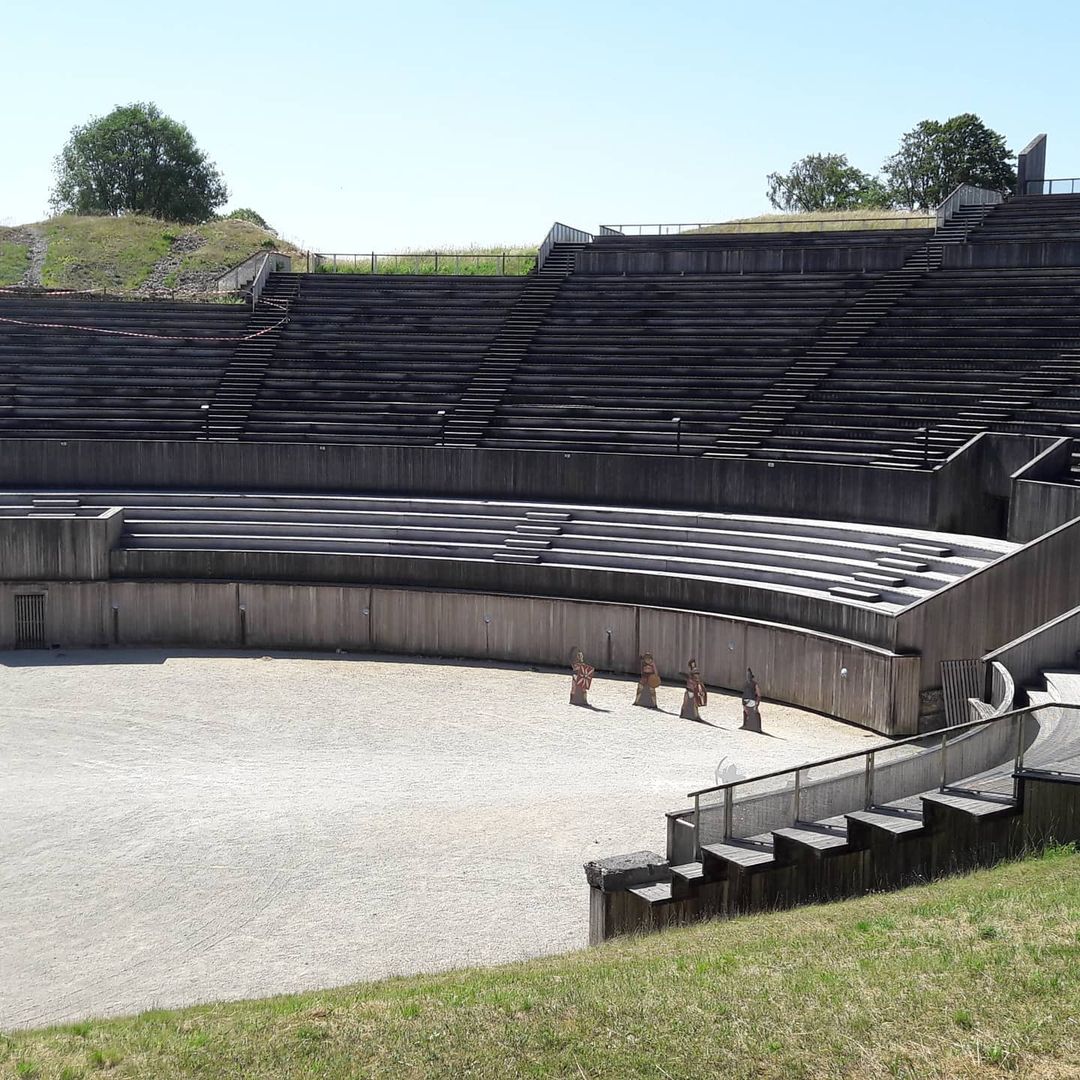
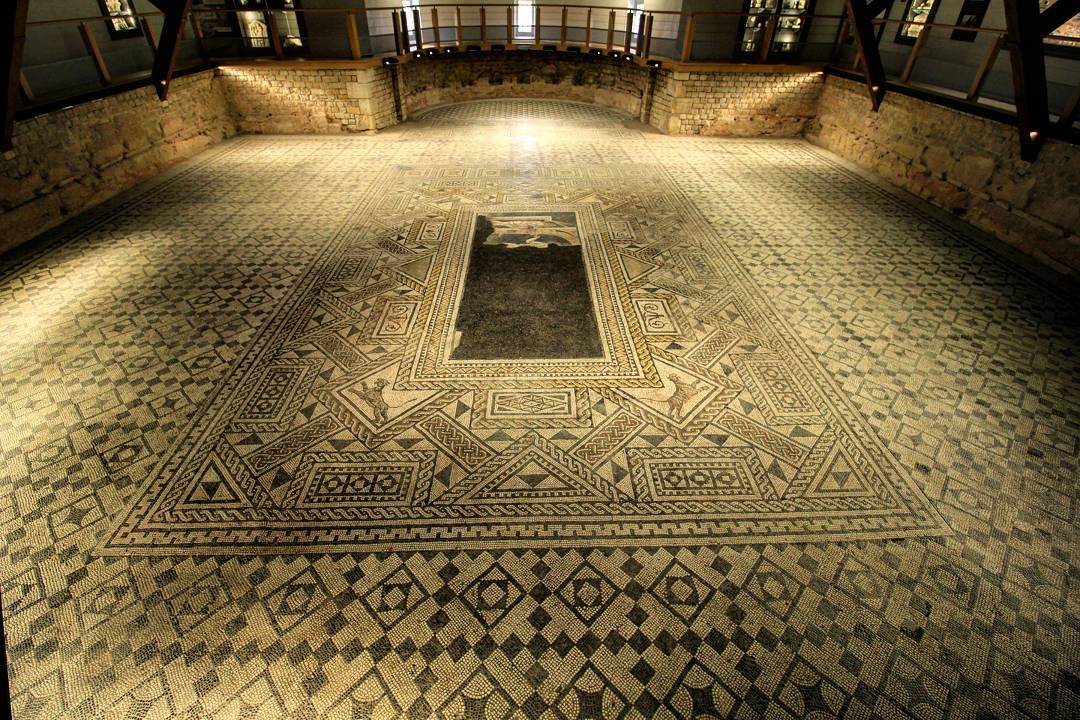
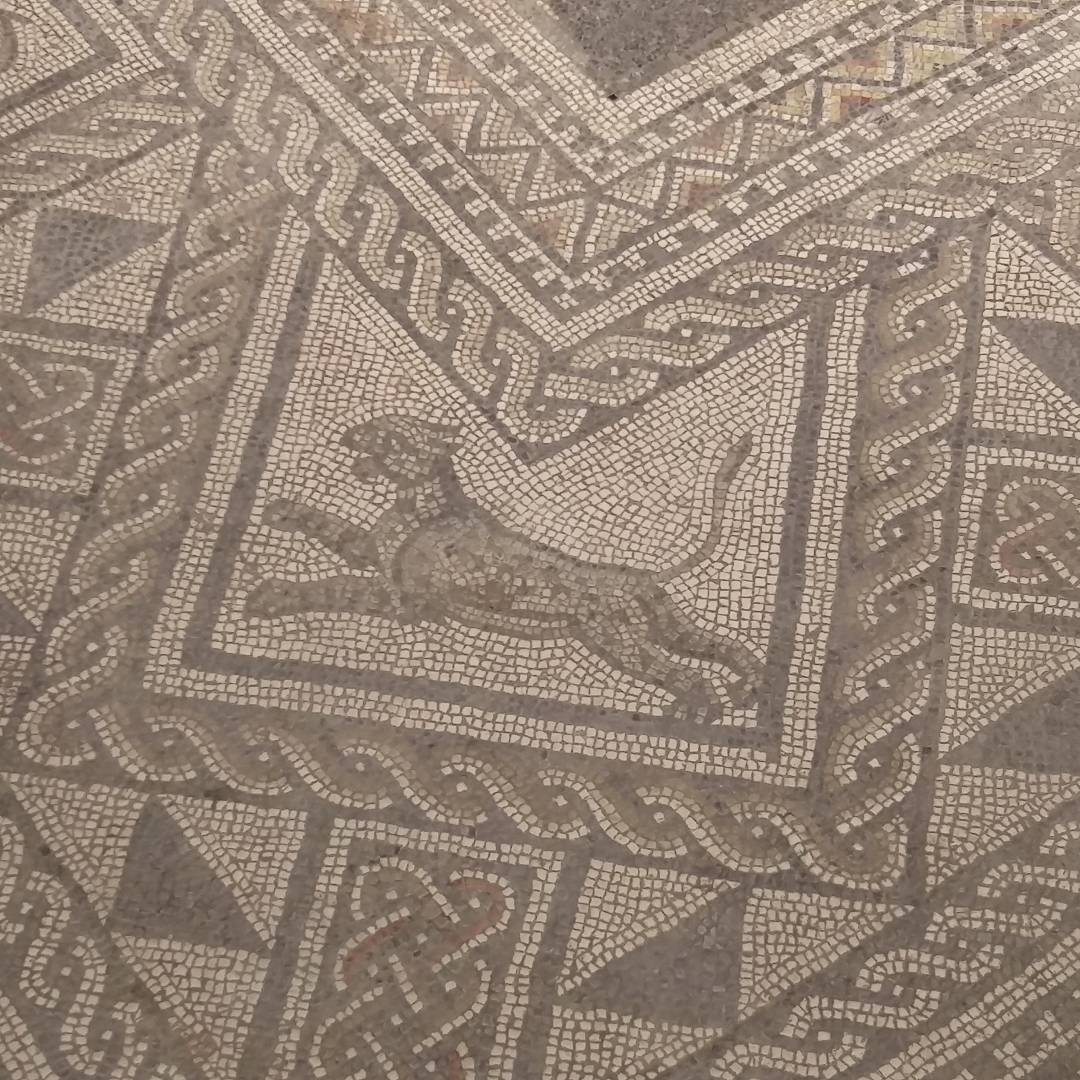
Grand: Gallo-Roman mosaic and amphitheater
This archaeological was, in the 1st century, an important Gallo-Roman sanctuary, dedicated to Apollo, the healing god. One can still observe the remains of the rampart which delimited the sacred enclosure.
Today, only the mosaic and the amphitheater can be visited, as well as the museum, endowed with a recent museography, which presents a superb collection of objects and fragments of various architectures discovered on the site. The mosaic discovered in the 19th century is one of the largest in Europe. It covers more than 220 m². Only the central stage is largely missing.
https://www.tourisme-ouest-vosges.fr/en/category/decouvertes/patrimoine-gallo-romain/
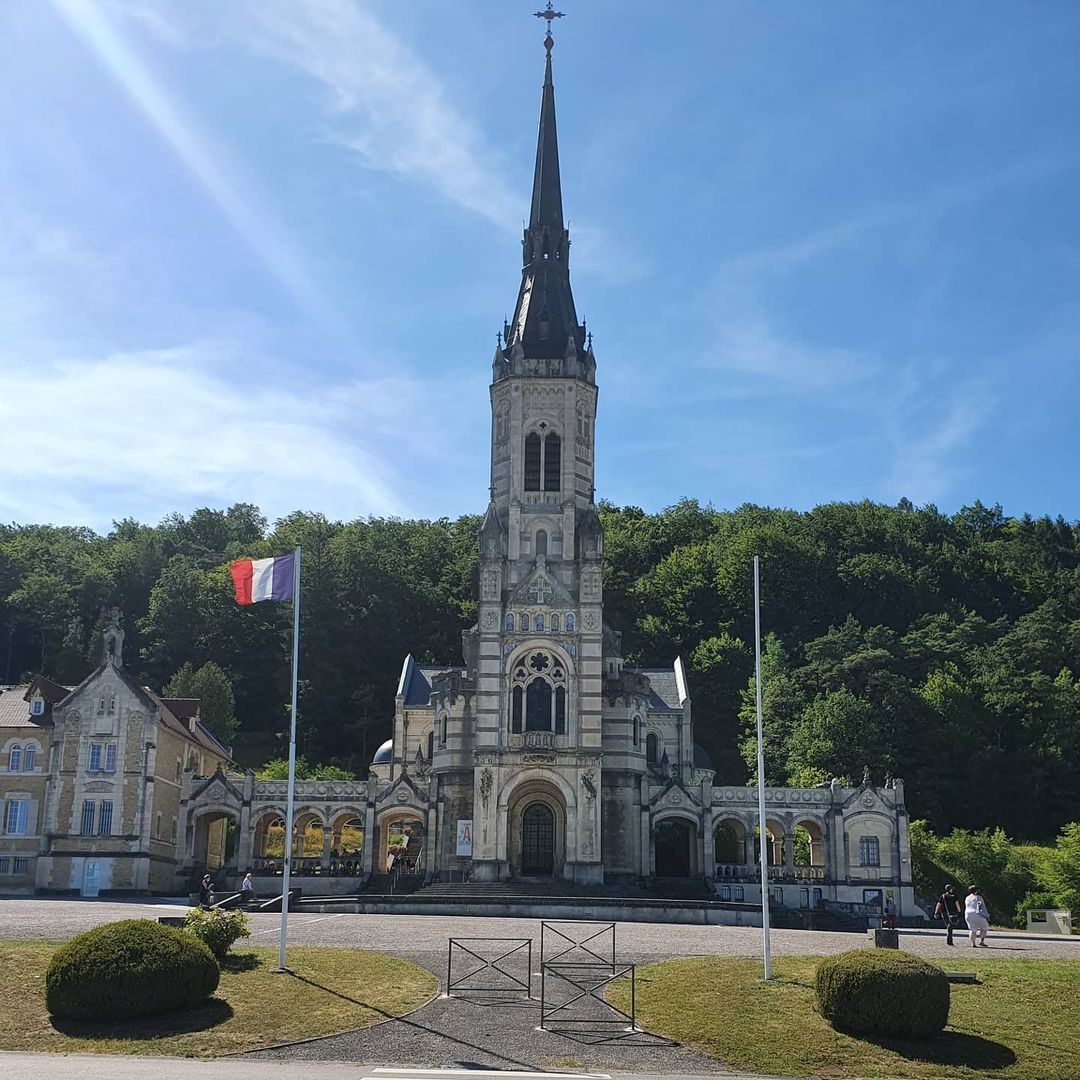
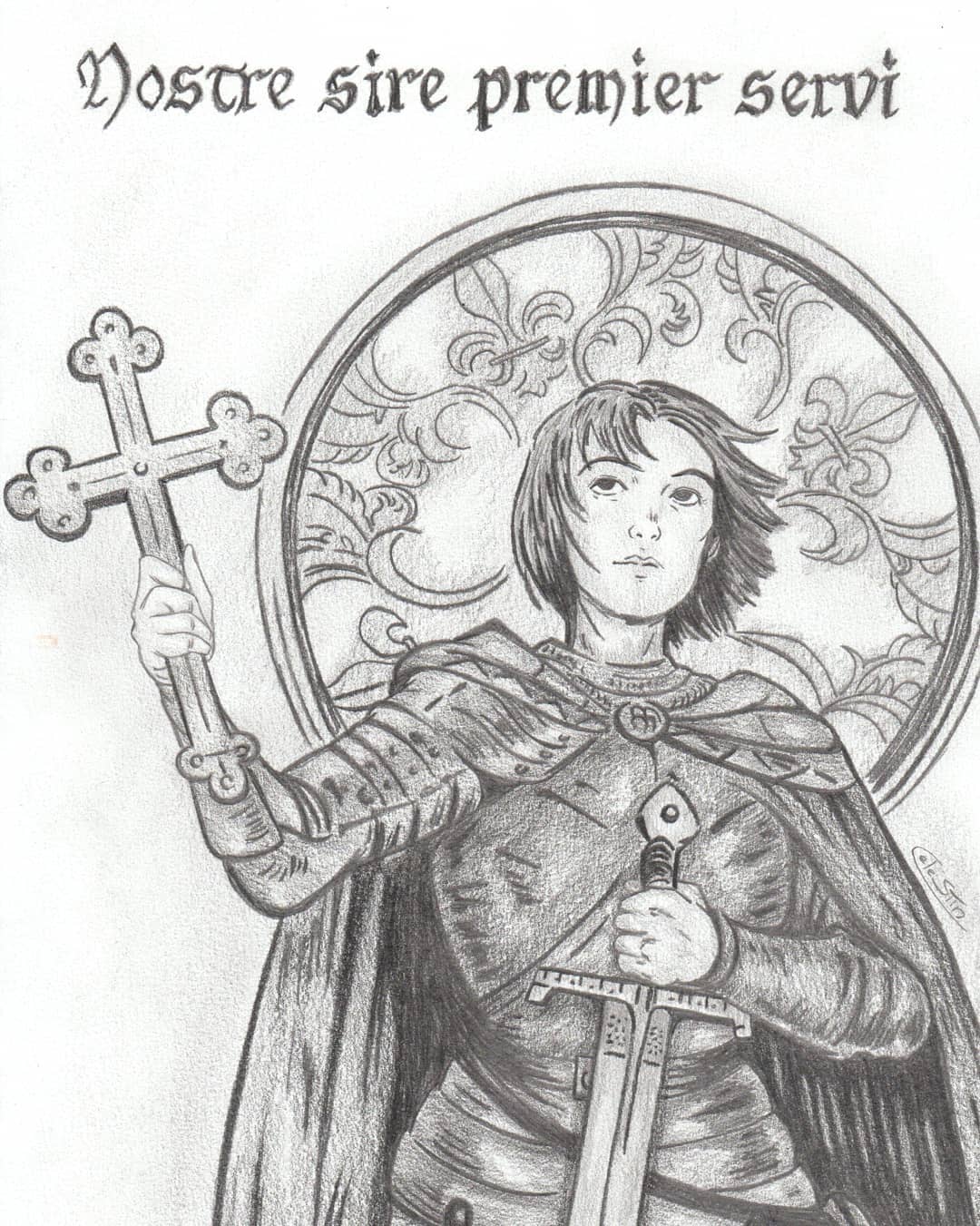
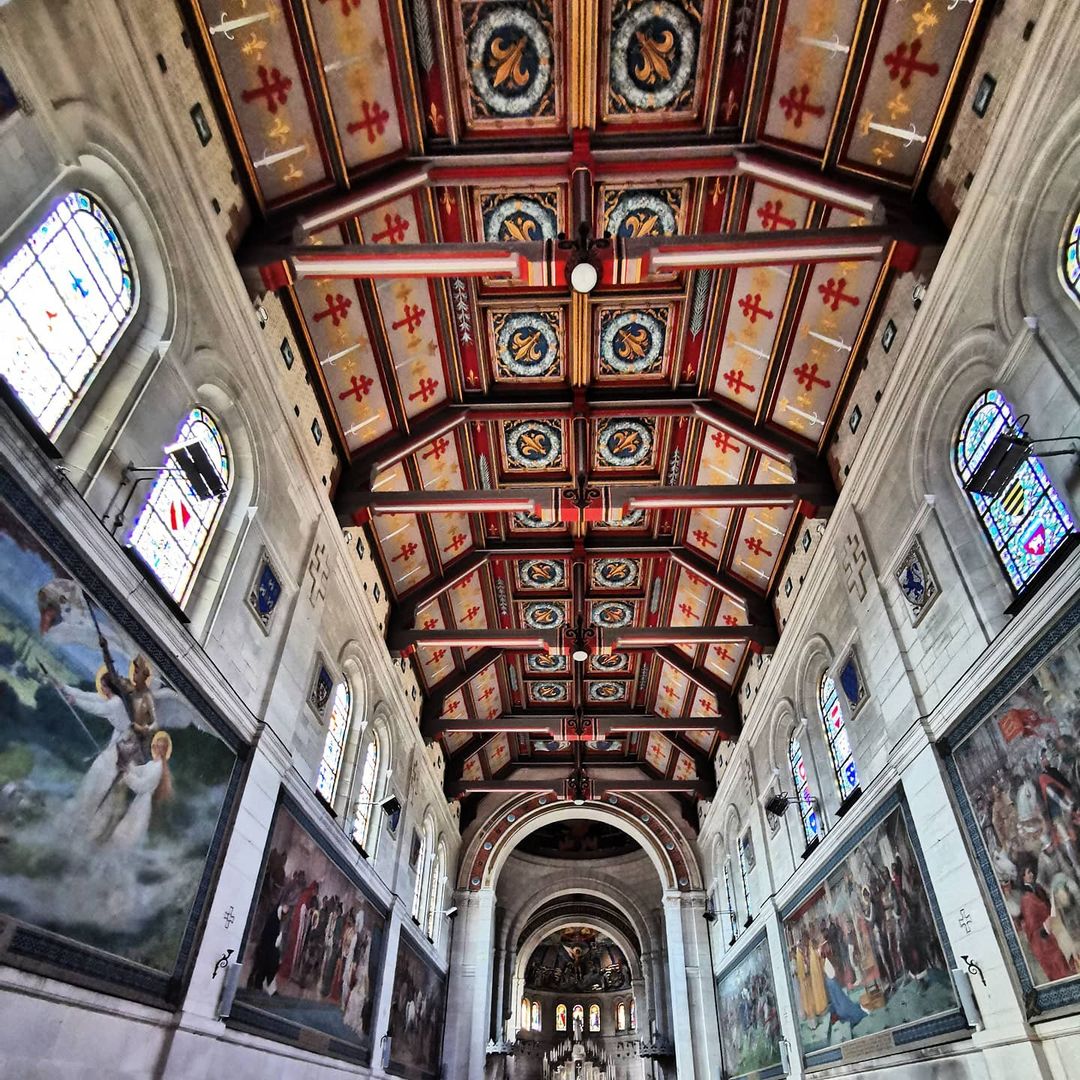
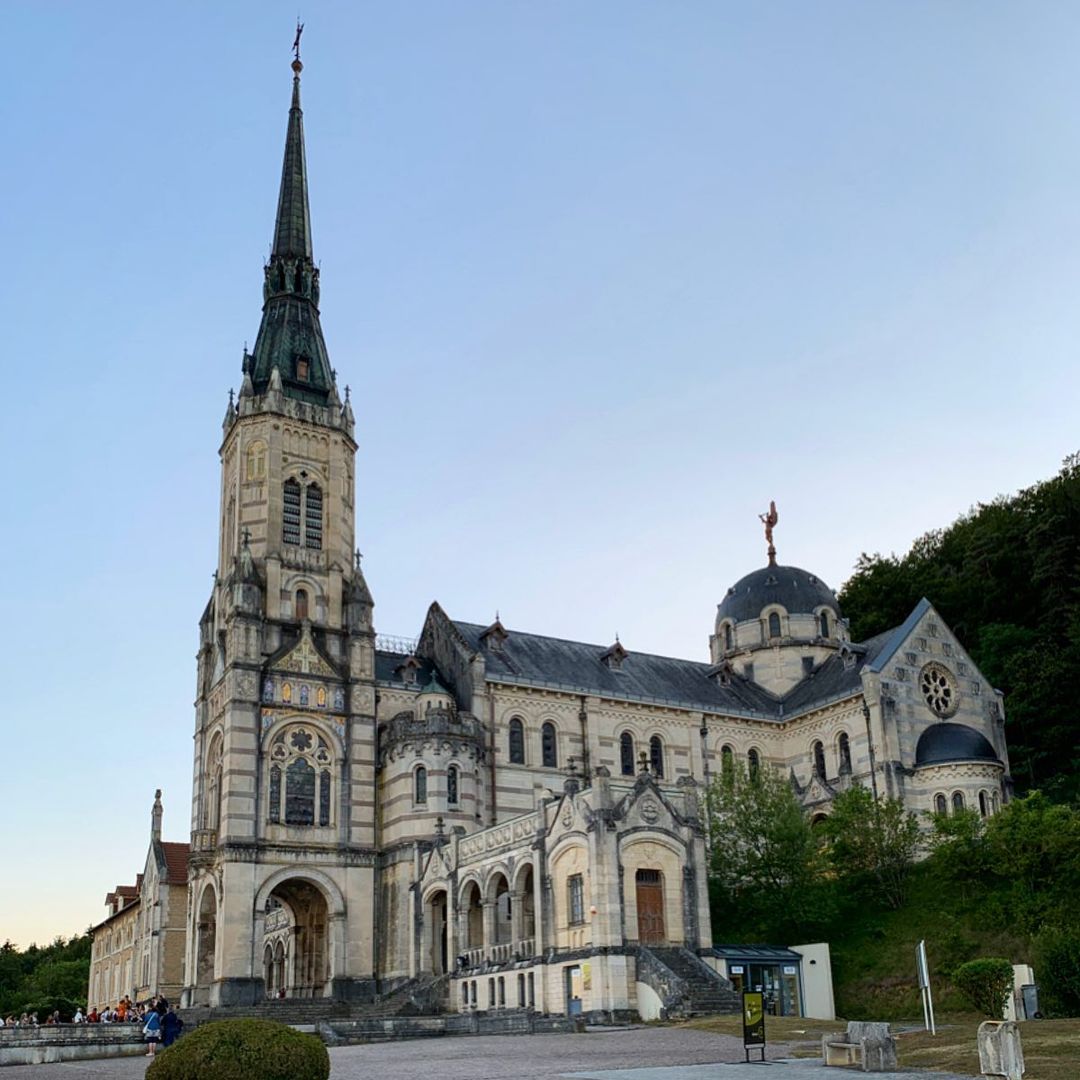
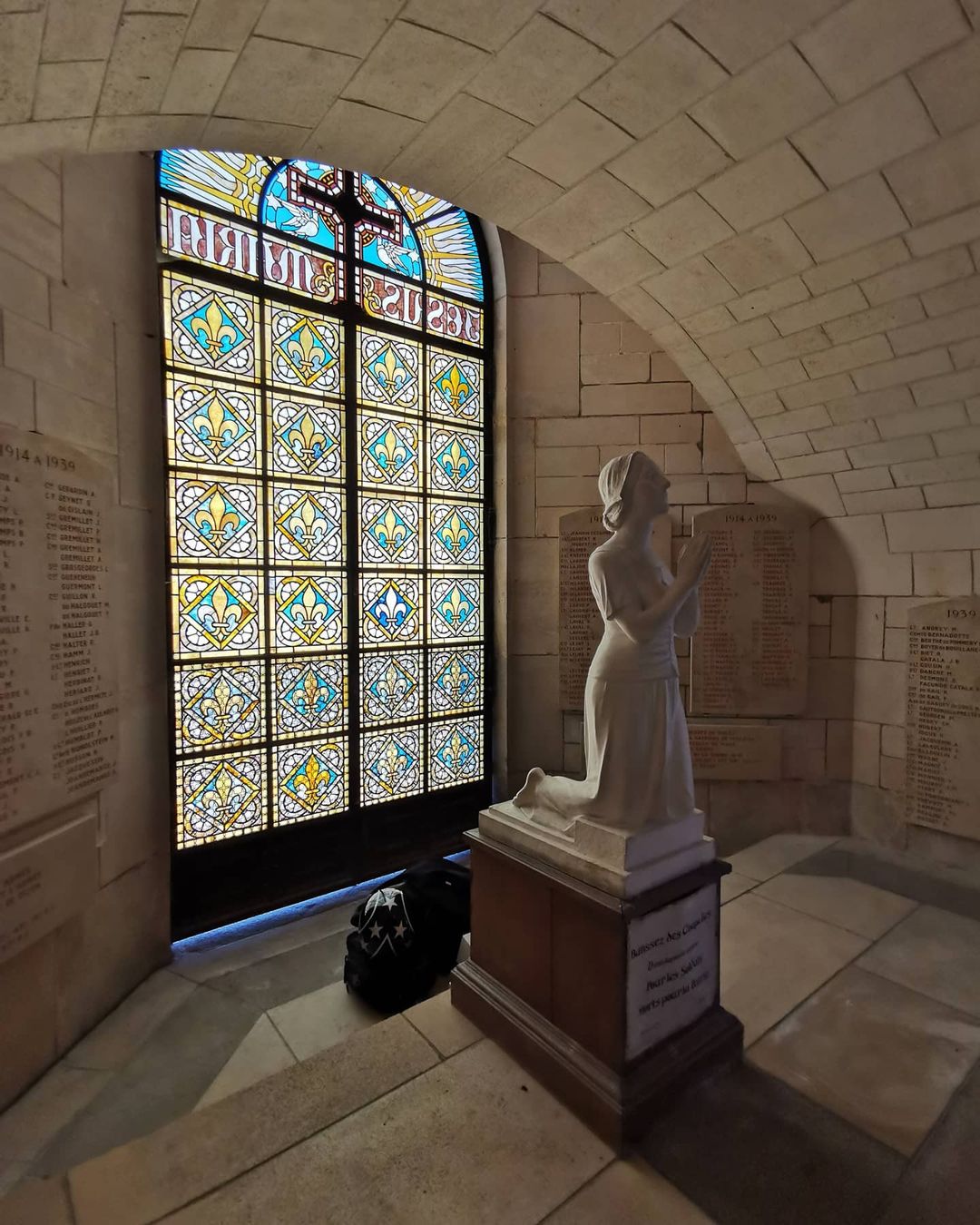
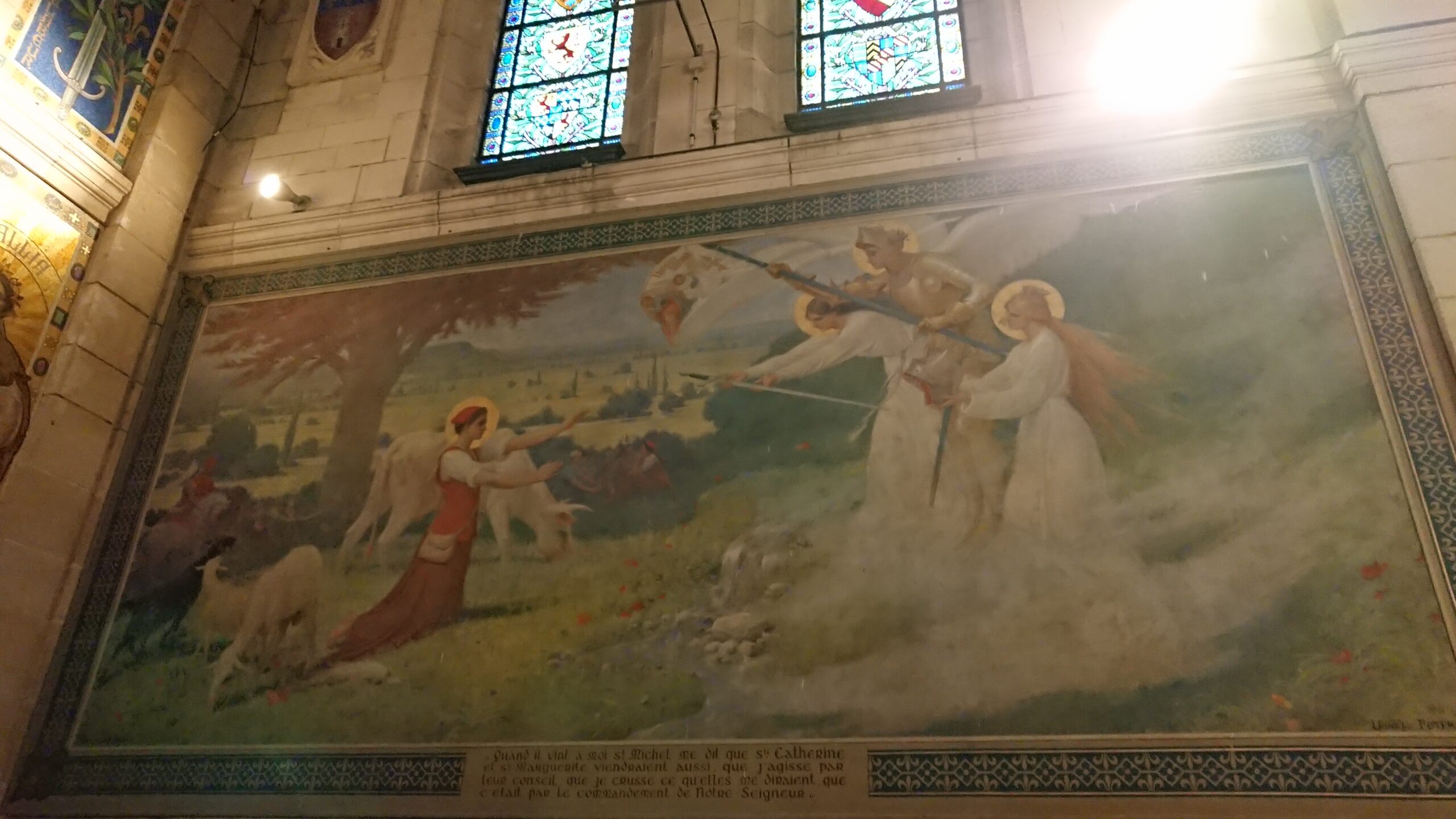
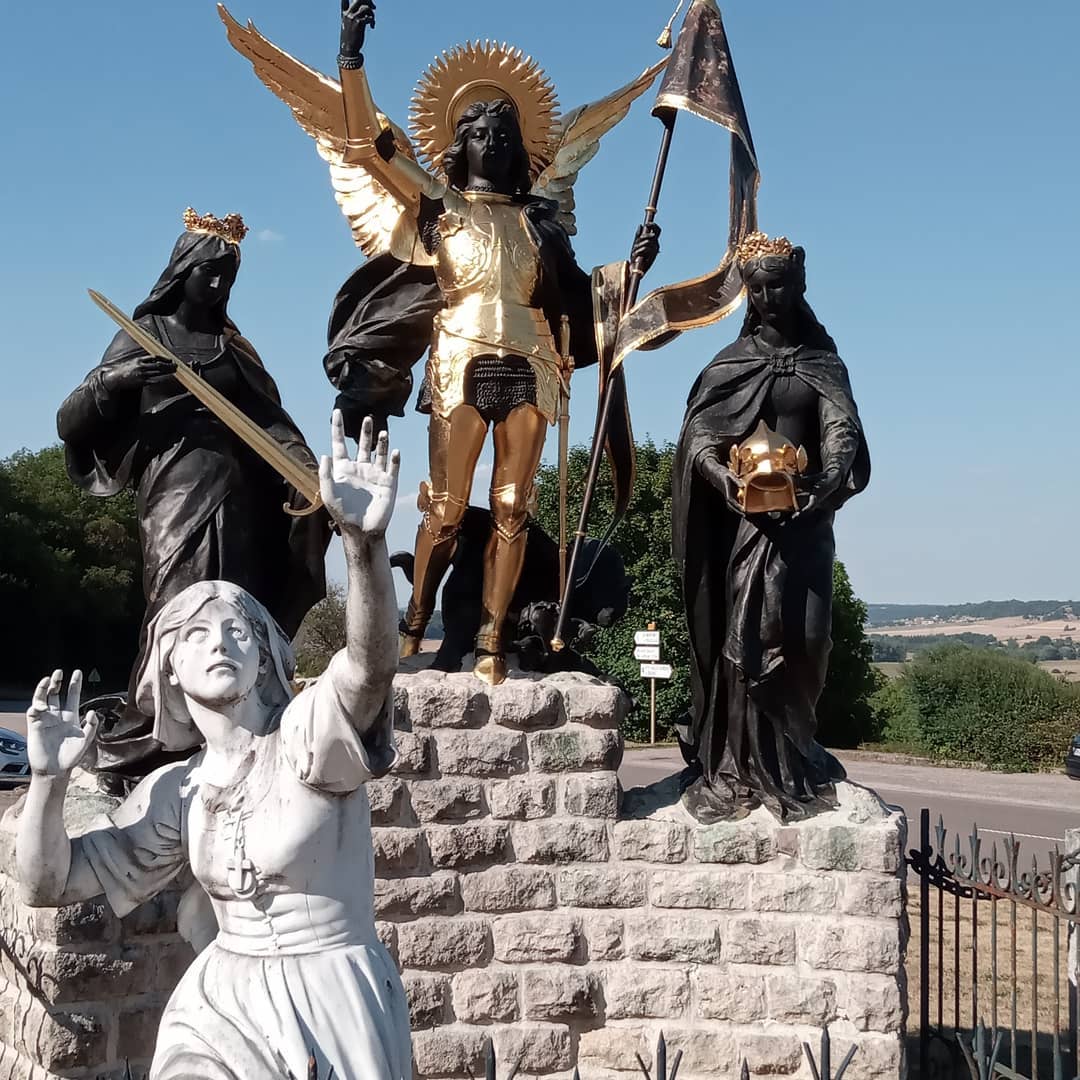
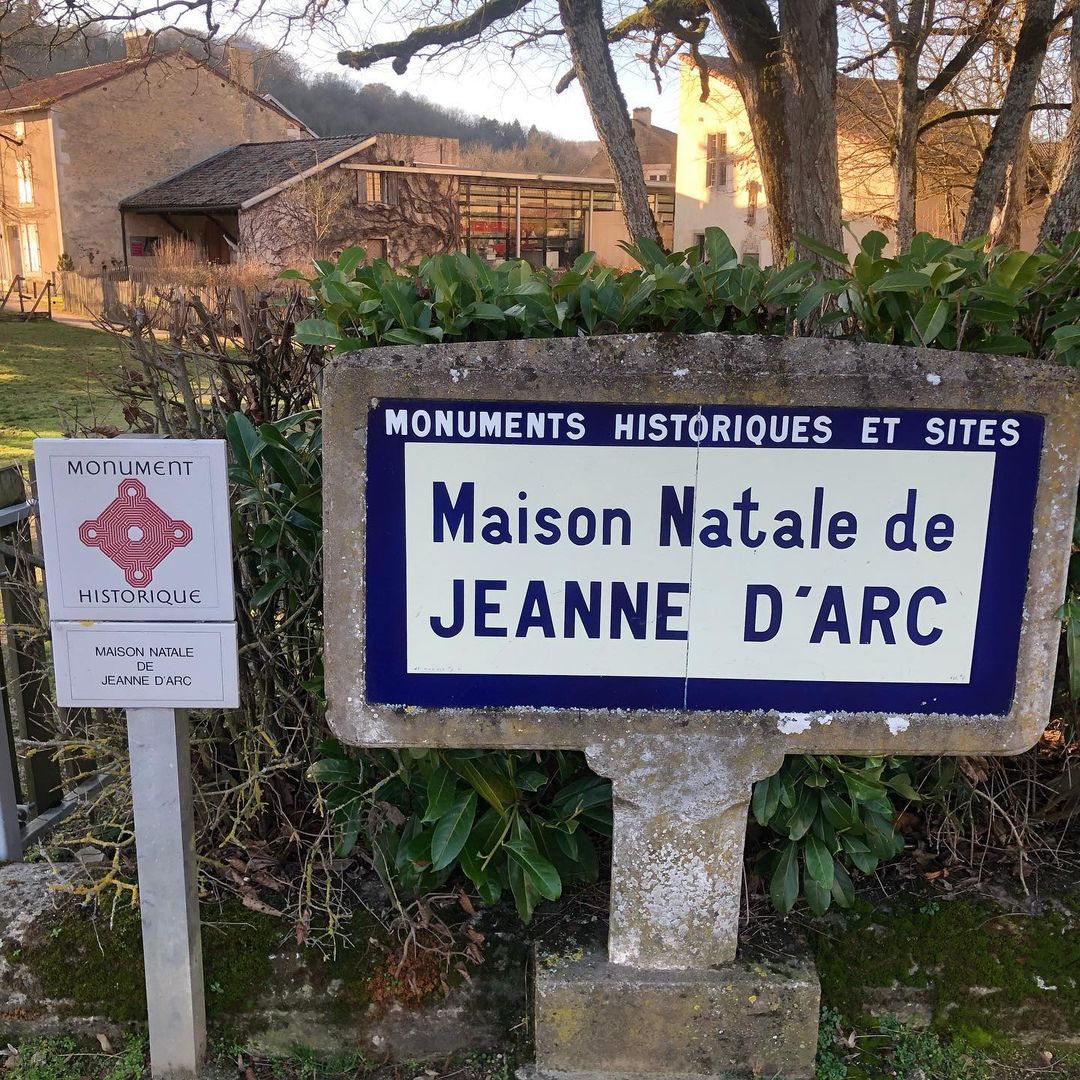
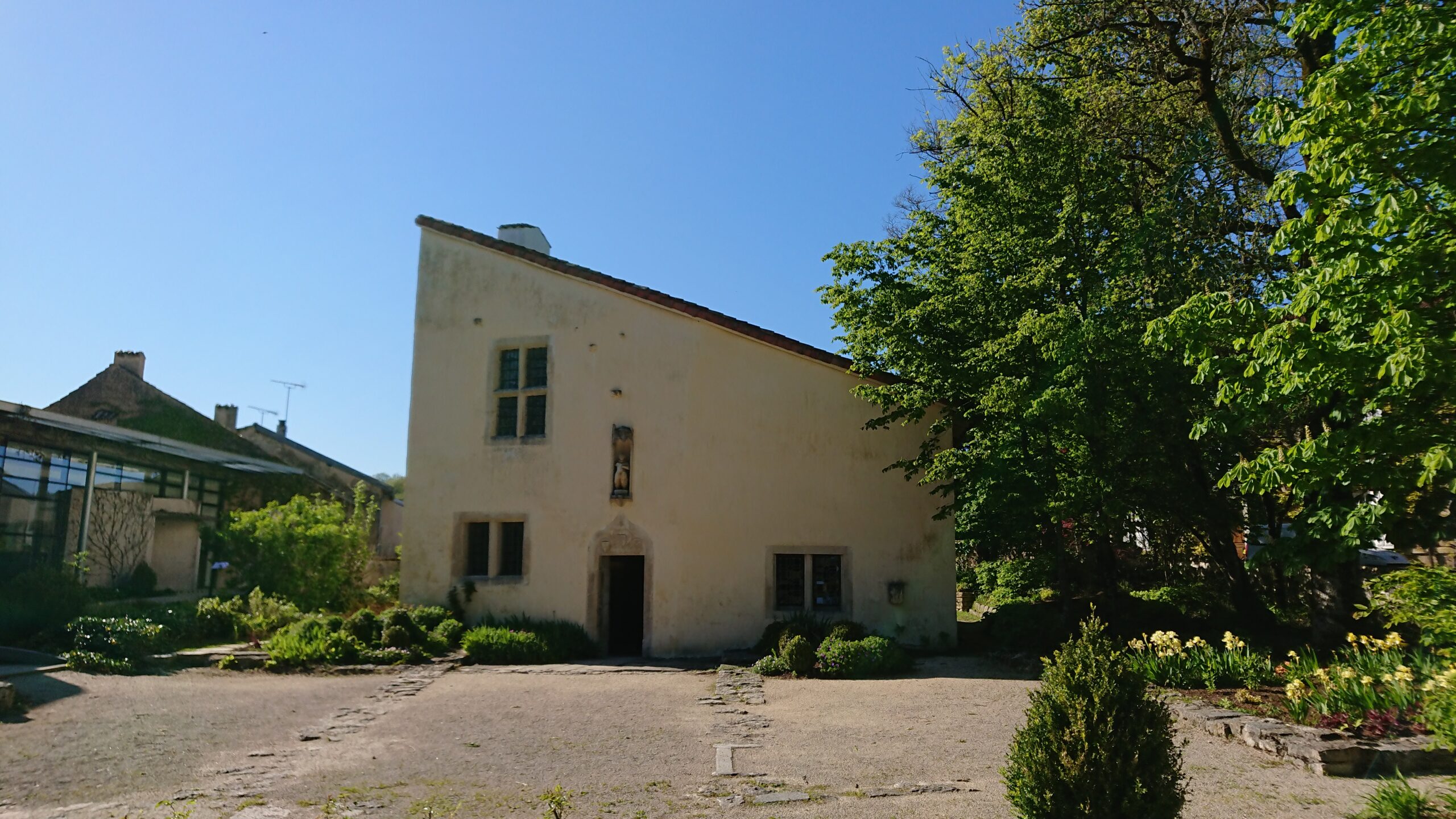
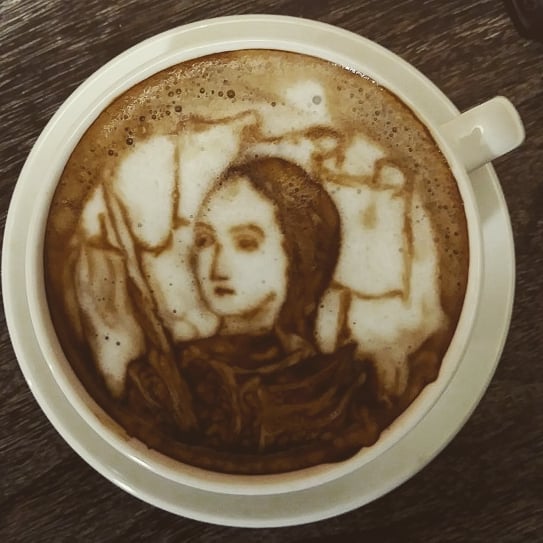
Domrémy-la-Pucelle: Birthplace of Joan of Arc
Birthplace of Joan of Arc, Domremy-La-Pucelle is located in Lorraine, in the west of the Vosges department, 10 km from Neufchâteau, in the Meuse valley. The territory of the municipality extends from the banks of the Meuse to the wooded slopes of the hills which border it to the west.
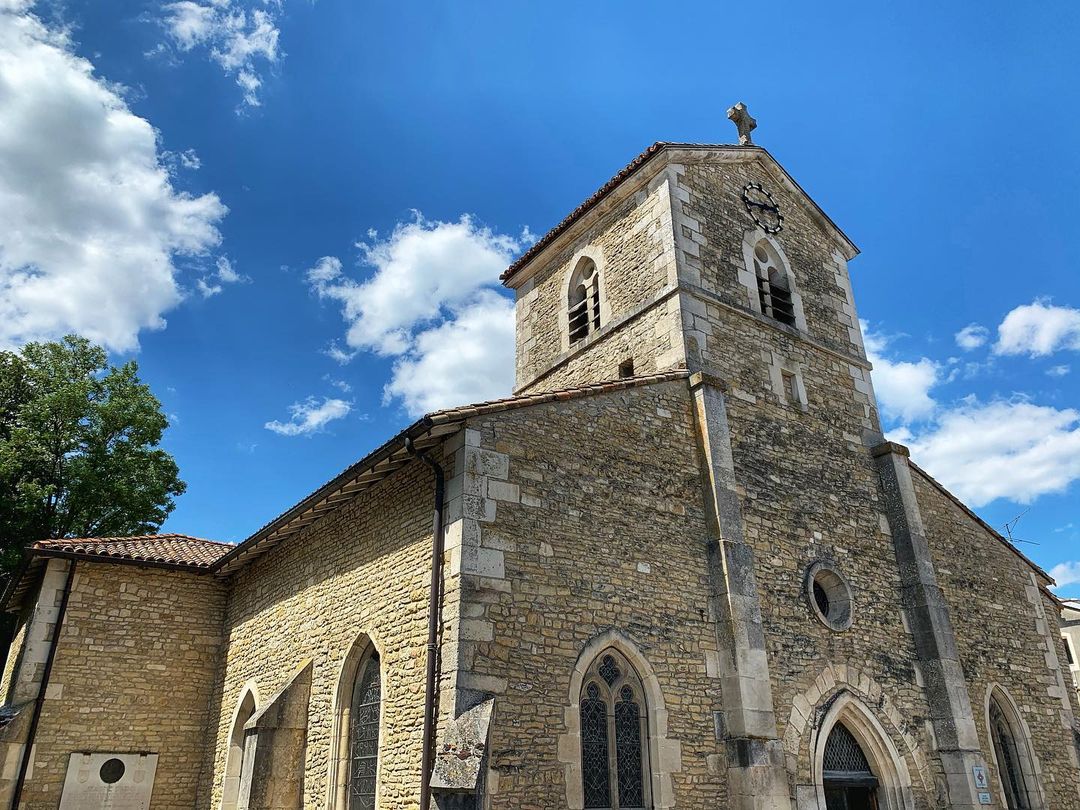
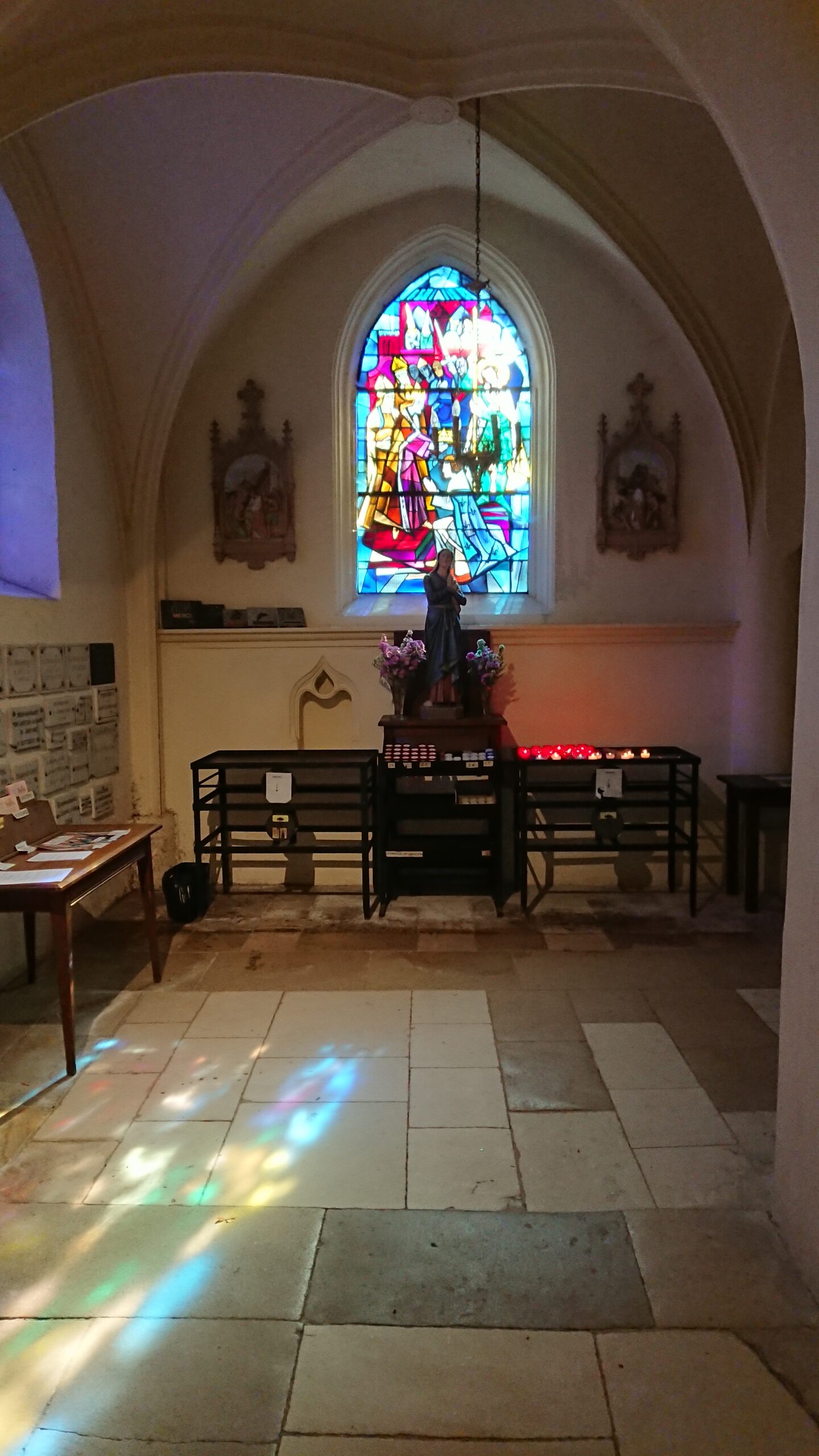
The birthplace of Joan of Arc , the Saint-Remy church , the Bois Chenu basilica , the Interpretation Center of the birthplace are the jewels of the historical and architectural heritage of the village which welcomes many visitors every year. , actors or spectators of cultural and religious events organized in honor of Joan of Arc, in particular in May.
https://www.tourisme-ouest-vosges.fr/category/decouvertes/autour-de-jeanne-darc/
Lunéville
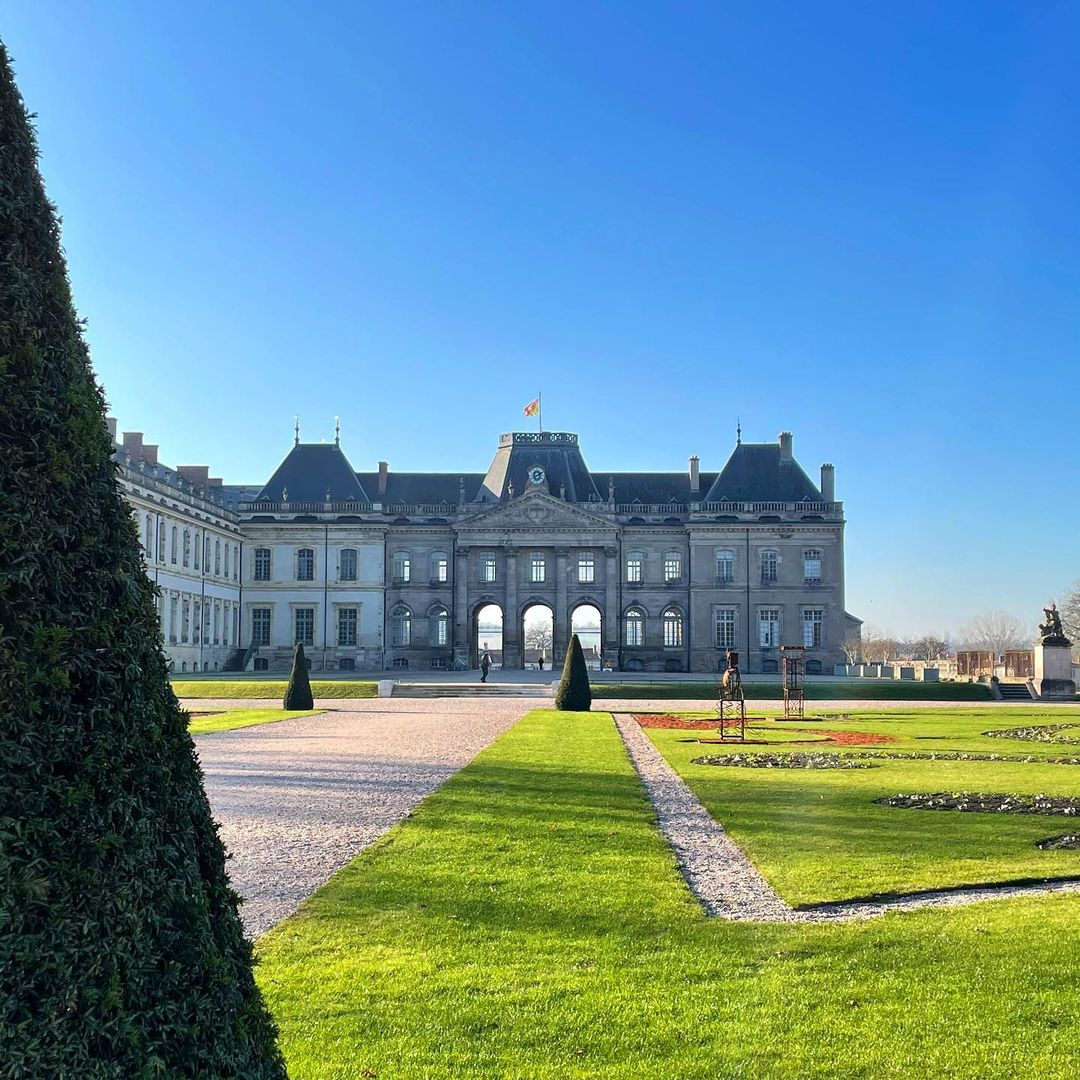
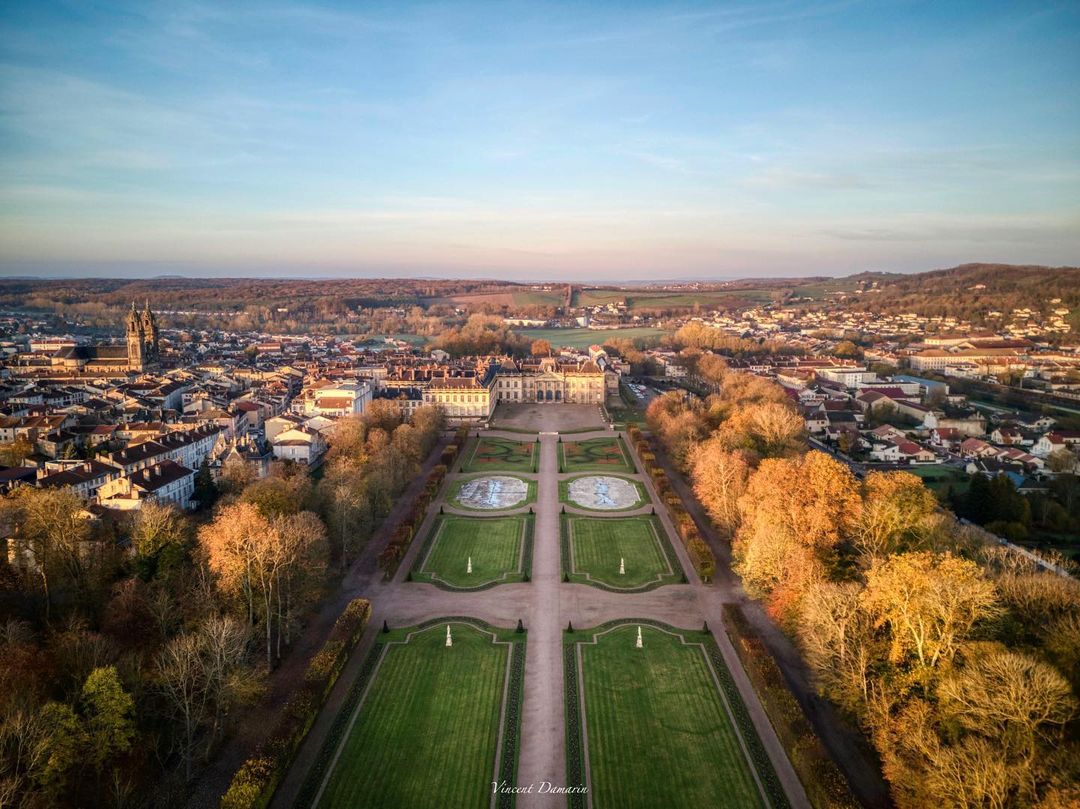
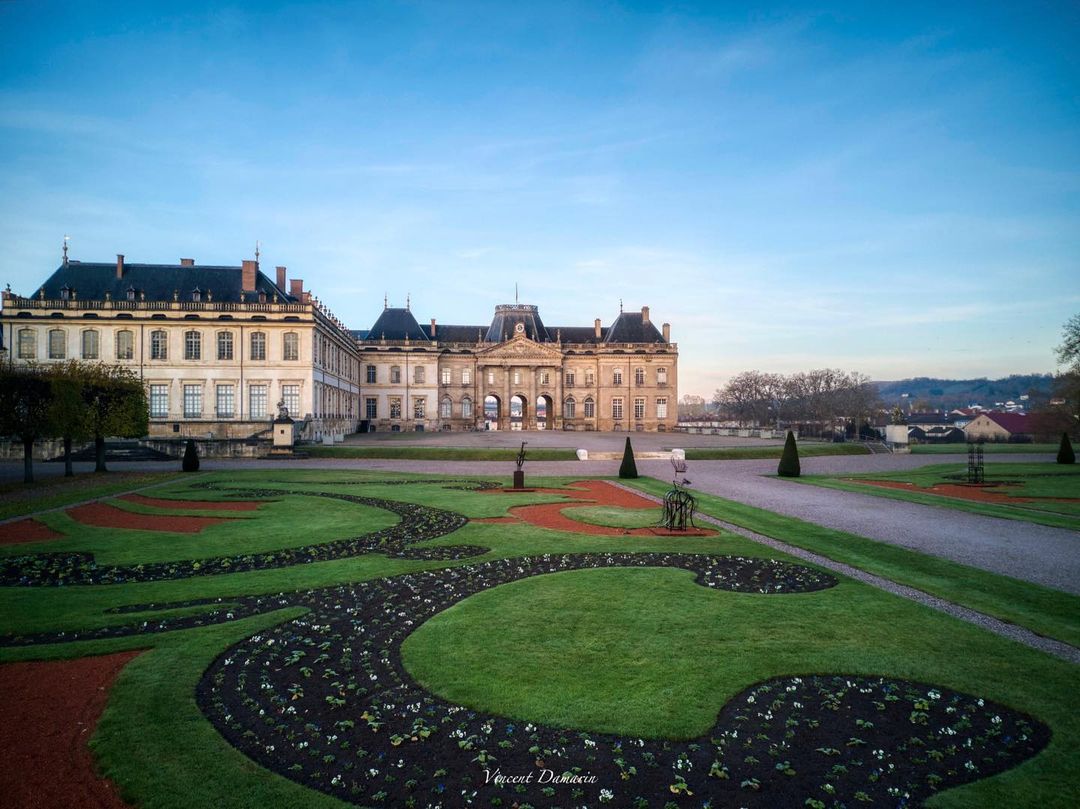
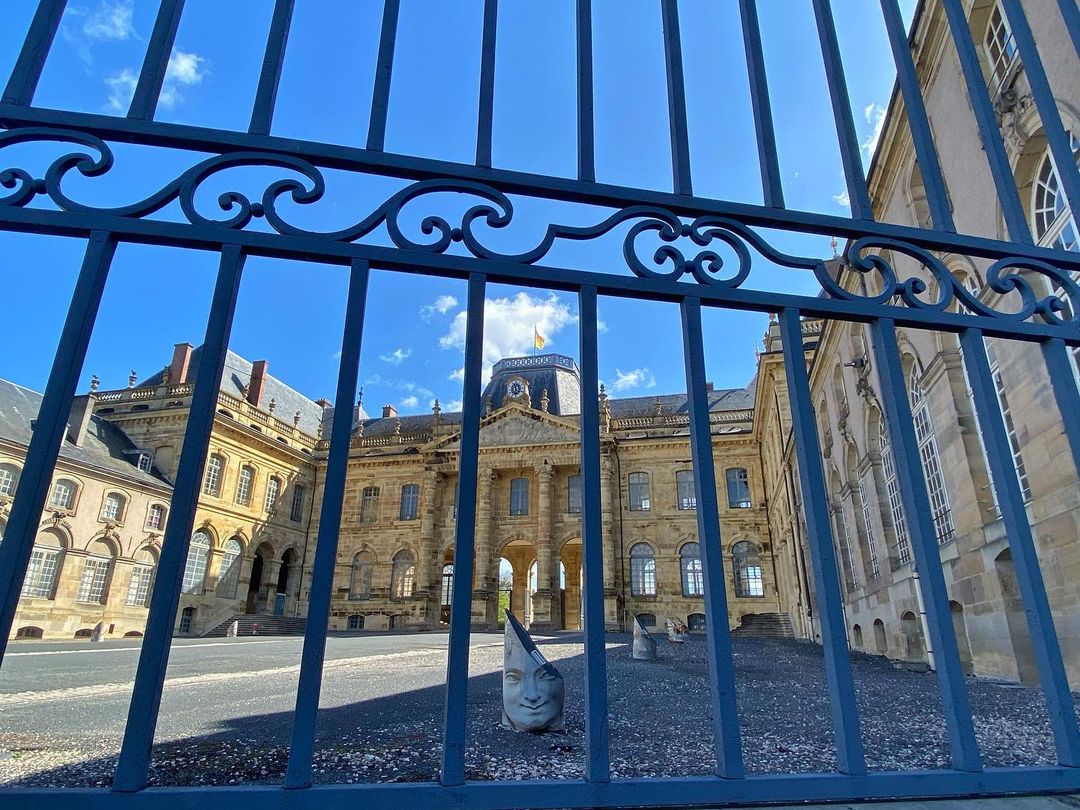
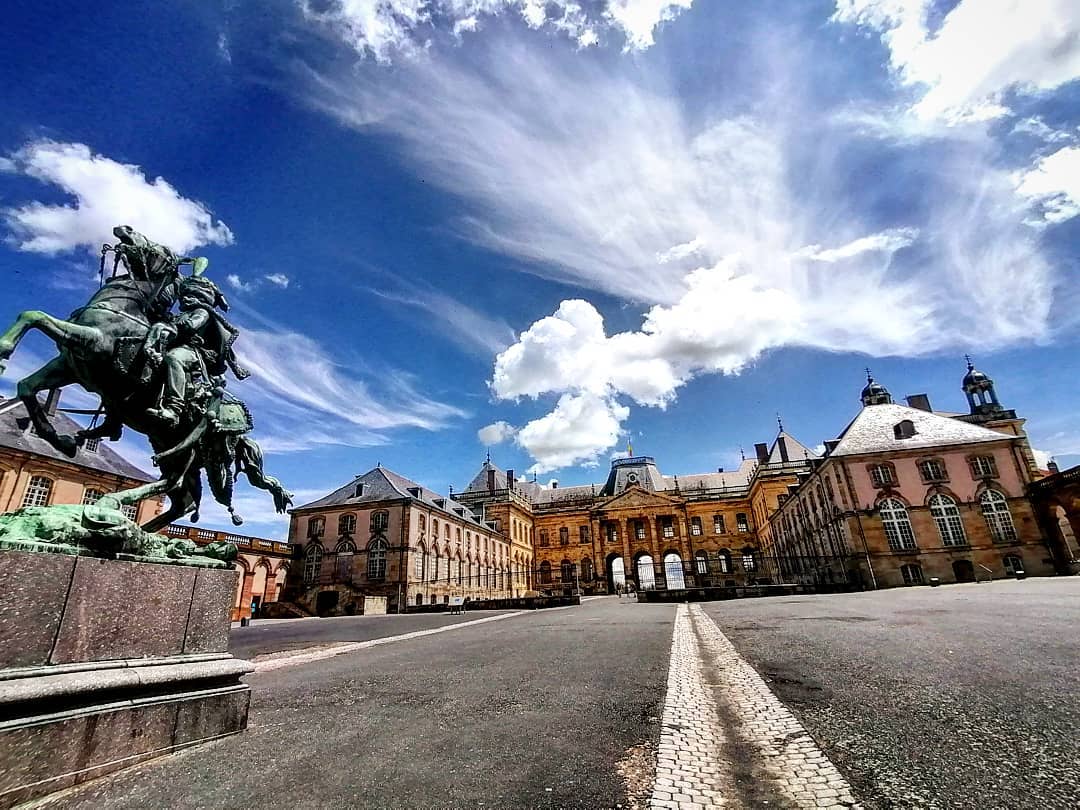
Château de Lunéville : the Versailles of Lorraine
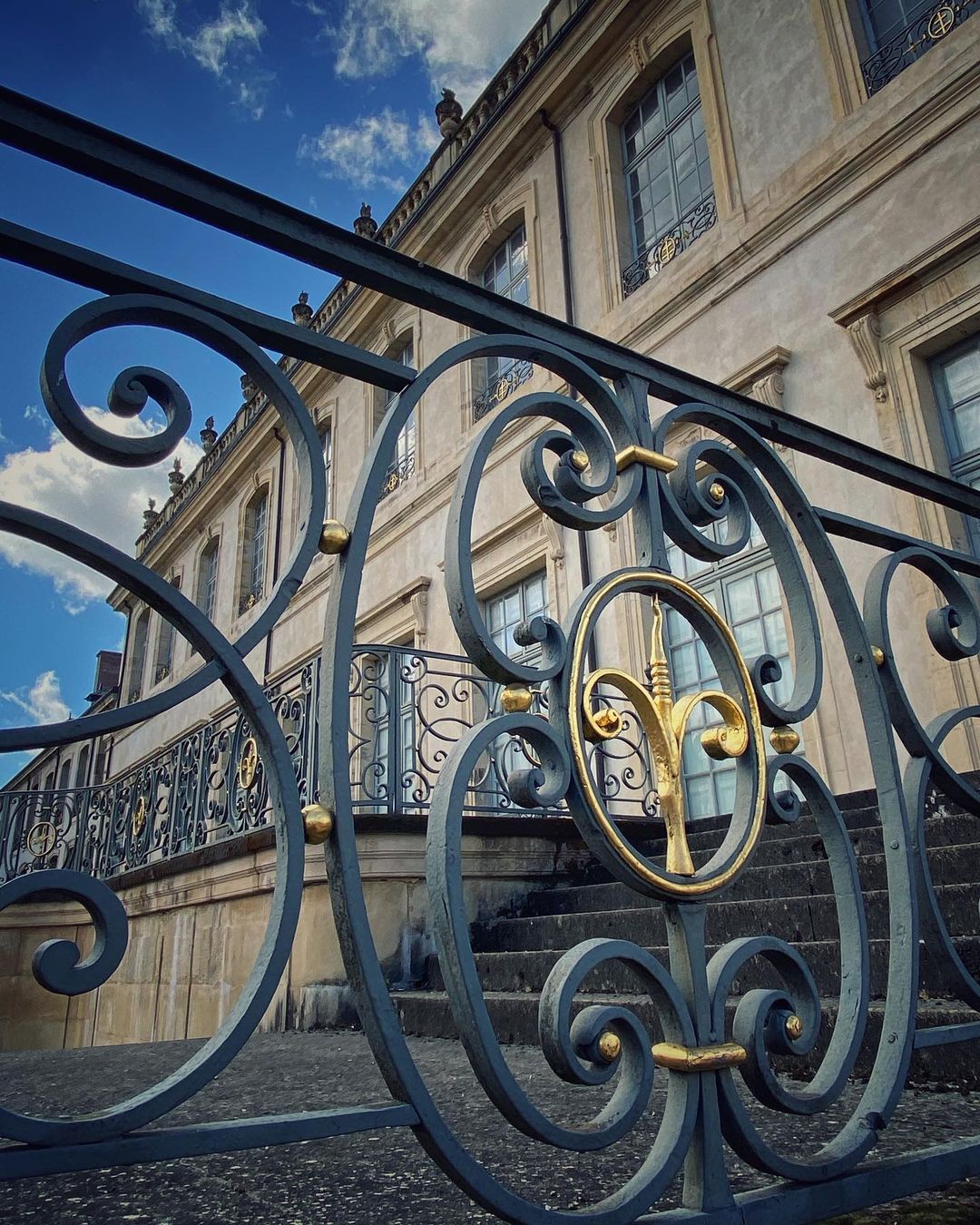
Built in the XVIII th century on the site of an ancient castle, the castle of Luneville was the residence of Stanislas Leszczynski, Duke of Lorraine . Restored after a terrible fire in 2003, this historical monument, nicknamed the Versailles of Lorraine, with its French-style park constitutes one of the most beautiful architectural and landscaped sets of the Age of Enlightenment.
The church of Saint-Jacques , with its remarkable organ, the Church Sainte-Jeanne-d’Arc and impressive stained glass windows, the synagogue of the XVIII th century and contemporary St. Leopold church reflect the religious heritage.
Lunéville is also renowned for its earthenware and embroidery.
https://www.france-voyage.com/tourisme/luneville-521.htm
Saint Nicolas de port
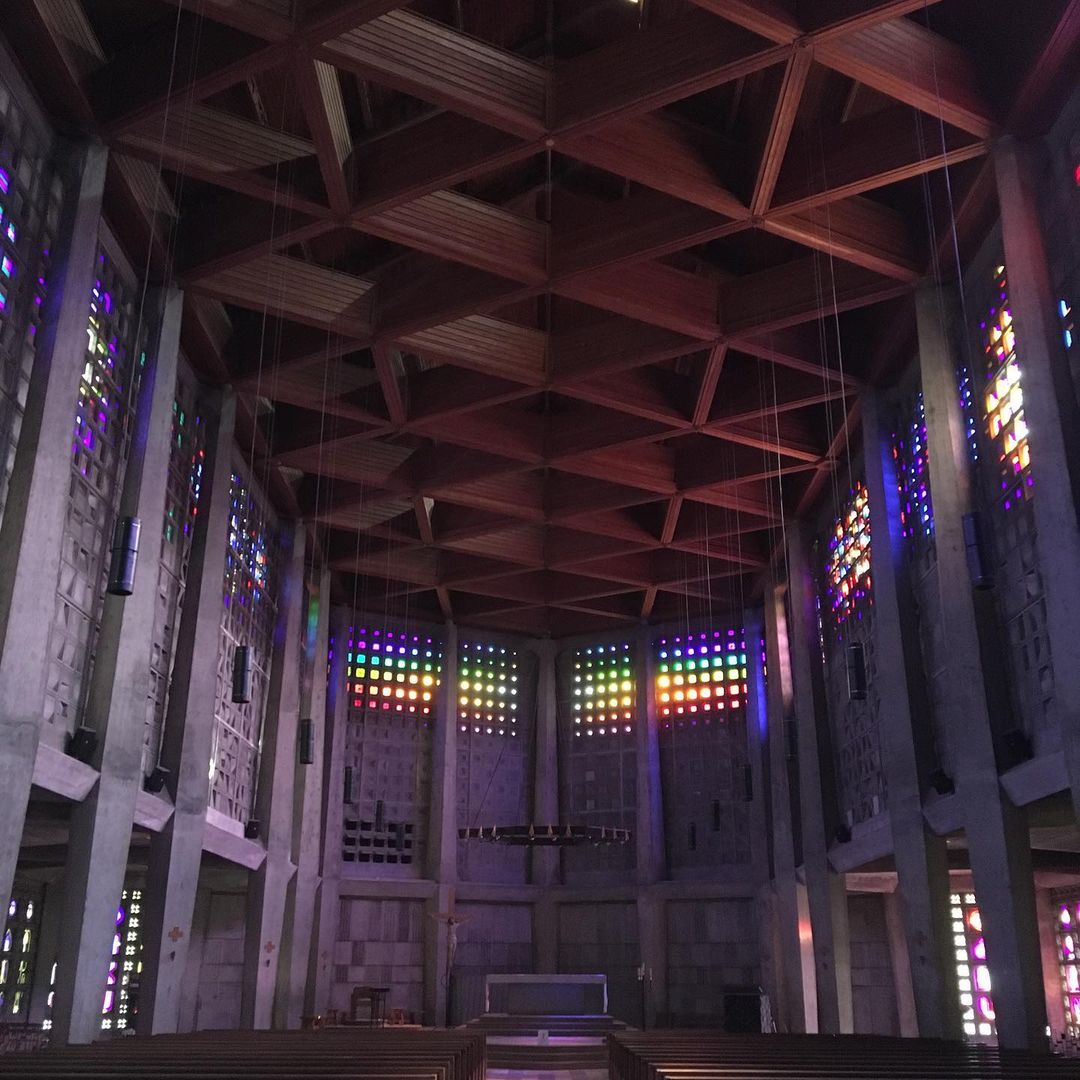
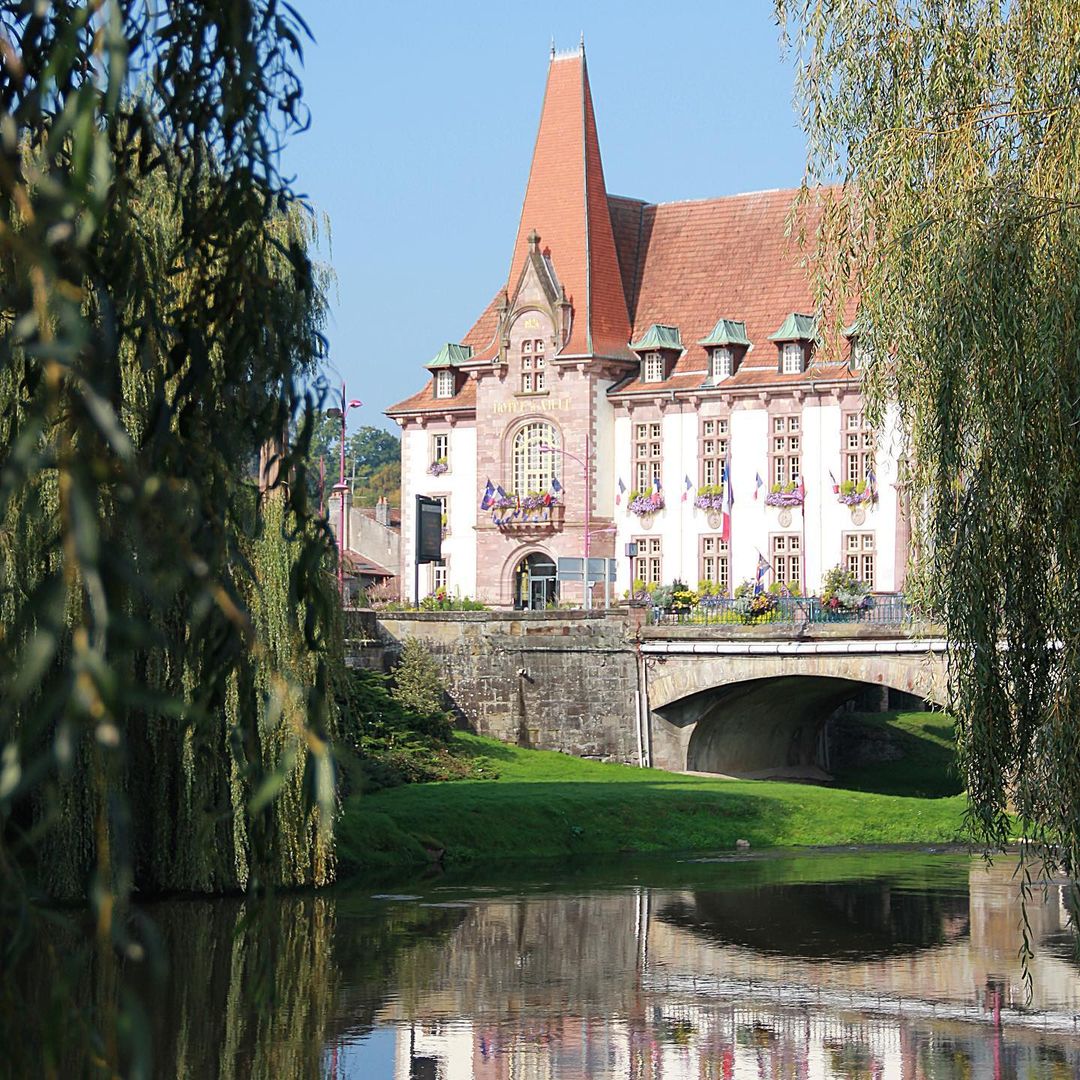
Metz, the garden city
The city has an important architectural diversity, from antiquity to the XX th century, rich of a strong medieval and classical heritage, of French influence, but also German, particularly in the imperial quarter , built during the annexation of Alsace-Lorraine , representative of Wilhelmian architecture . The Basilica of Saint-Pierre-aux-Nonnains , in the city center, is one of the oldest churches in the world, and the oldest church in France.
In 2010, the opening of the Centre Pompidou-Metz symbolizes the modernization of the city and its image, which began in the early 2000s. Thus, Metz seeks to establish itself as a platform for modern and contemporary art through new policies urban cultural. The city is also seeking a UNESCO classification for its ancient heritage represented by the Saint-Etienne cathedral , one of the most important Gothic cathedrals in France, and its imperial quarter .
The Sainte-Croix hill is the historic heart of the city. Its decor oozes medieval period with its cobbled streets, mansions and its iconic landmarks: the Récollets cloister , the Sainte-Ségolène Church and the Trinitarian church .
In the medieval district of Outre-Seille stands the Porte des Allemands, a fortified castle that spans the Seille, and whose ramparts now constitute a promenade; the medieval Saint-Eucaire church, and the Saint-Maximin church , whose stained glass windows are by Jean Cocteau.
The elegant islands is characteristic of the XVIII th century with its Opera Theater, the oldest in operation in France, the Abbey of Saint-Clément , headquarters of the Regional Council Greater East, the St. Vincent Church and the many bridges of classical architecture.
The Citadel district is home to the Palais de Justice, the former royal abbey of Saint-Arnould, the Chapel of the Templars , built between 1180 and 1220, and the Saint-Pierre-aux-Nonnains church, one of the oldest of France.
The city center has large renovated squares, including the medieval Place Saint-Louis, a former Italian-inspired Place du Change, and the Place d’Armes , home to Saint-Etienne Cathedral , one of the tallest cathedrals. Gothic Europe, built in the XIII th to the XVI th century. The importance of its stained glass windows has earned it its nickname “Lanterne du bon Dieu”.
Place de la Comédie and the Temple Neuf
Place de la Comédie is built on an island between two branches of the Moselle. From this place you can admire the Temple Neuf and the New Temple Protestant. Behind you, the Saint-Etienne cathedral seems to dominate the city.
The Temple Neuf is a building of worship built between 1901 and 1905, when Alsace and Lorraine were under German supervision. It is a massive monument, in dark sandstone, which contrasts with the Jaumont stone of the surrounding buildings, such as the Opéra-Théâtre de Metz located just next door.
Place Saint-Louis
The leaning facades of the Place Saint-Louis are reminiscent of the city’s medieval era. The gallery covered with around sixty arcades still houses restaurants and shops today. It is a festive place where the Christmas market takes place in December and a large part of the city’s festivities throughout the year.
Not to be missed, a stone’s throw from the cathedral, the Metz Métropole La Cour d’Or museum , for its Gallo-Roman, medieval and Fine Arts collections, over 6,000 m².
Metz the contemporary is deployed in the districts of the Amphitheater and the park of the Seille, with the Centre Pompidou-Metz , which has been hosting the best of modern and contemporary art since 2010, and also in the area of the old medieval ramparts, from the station to Montigny-lès-Metz .
With its 580 hectares of green spaces for relaxation and walking, Metz is also a green city, to be discovered on foot, to enjoy its different atmospheres, its many canals, and also its gastronomy!
Metz specialties:
Le boulet de Metz :
Potée Lorraine
For gourmets:
Where to eat?
Metz tourist office website: here


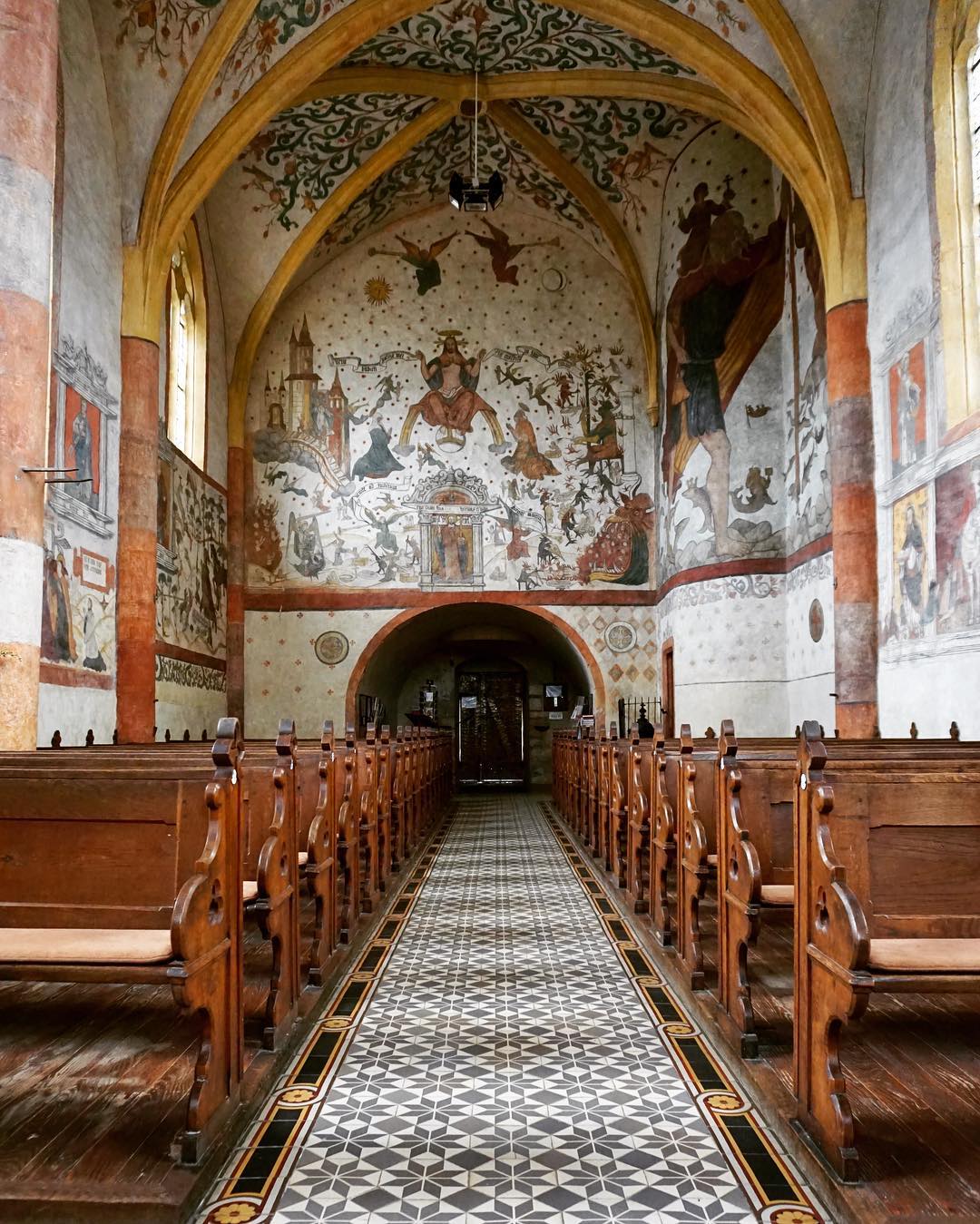
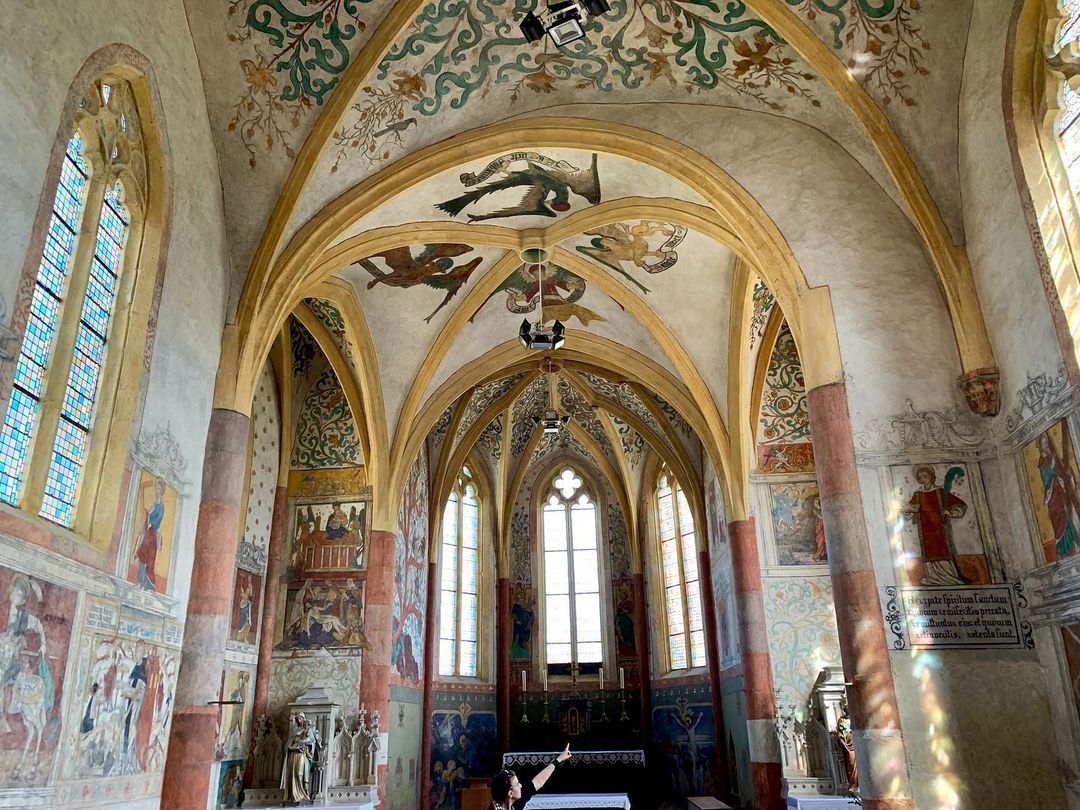
Sillegny : the little Sistine of Lorraine
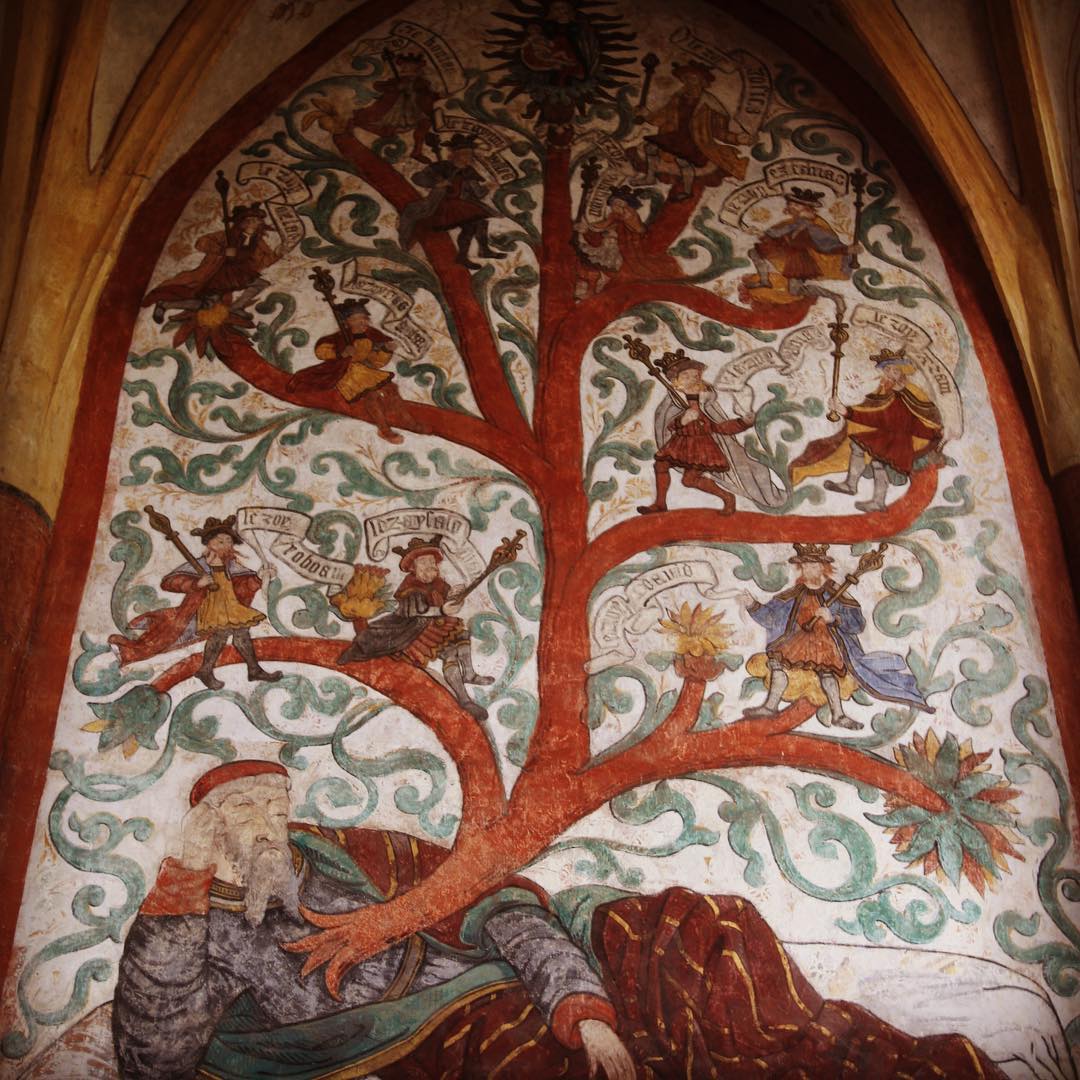
The frescoes of the Saint-Martin church in Sillegny.
This flamboyant Gothic-style fortified church invites you to discover a real treasure: wall paintings executed in tempera dating from 1540, which were at an unknown time, covered with whitewash, thus protecting them from the effects of time.
http://www.sixtinedelaseille.com/
Mirecourt et Mattaincourt
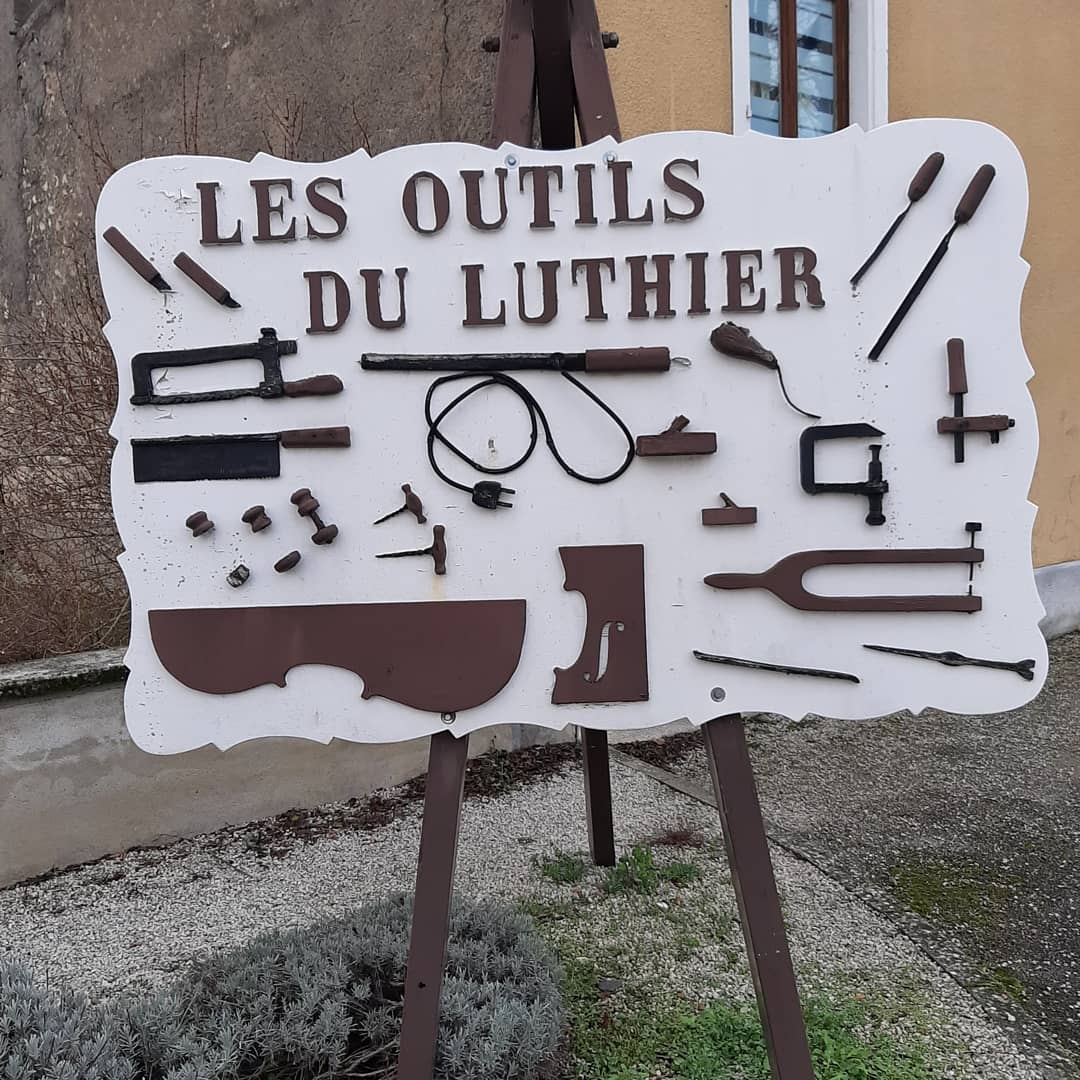
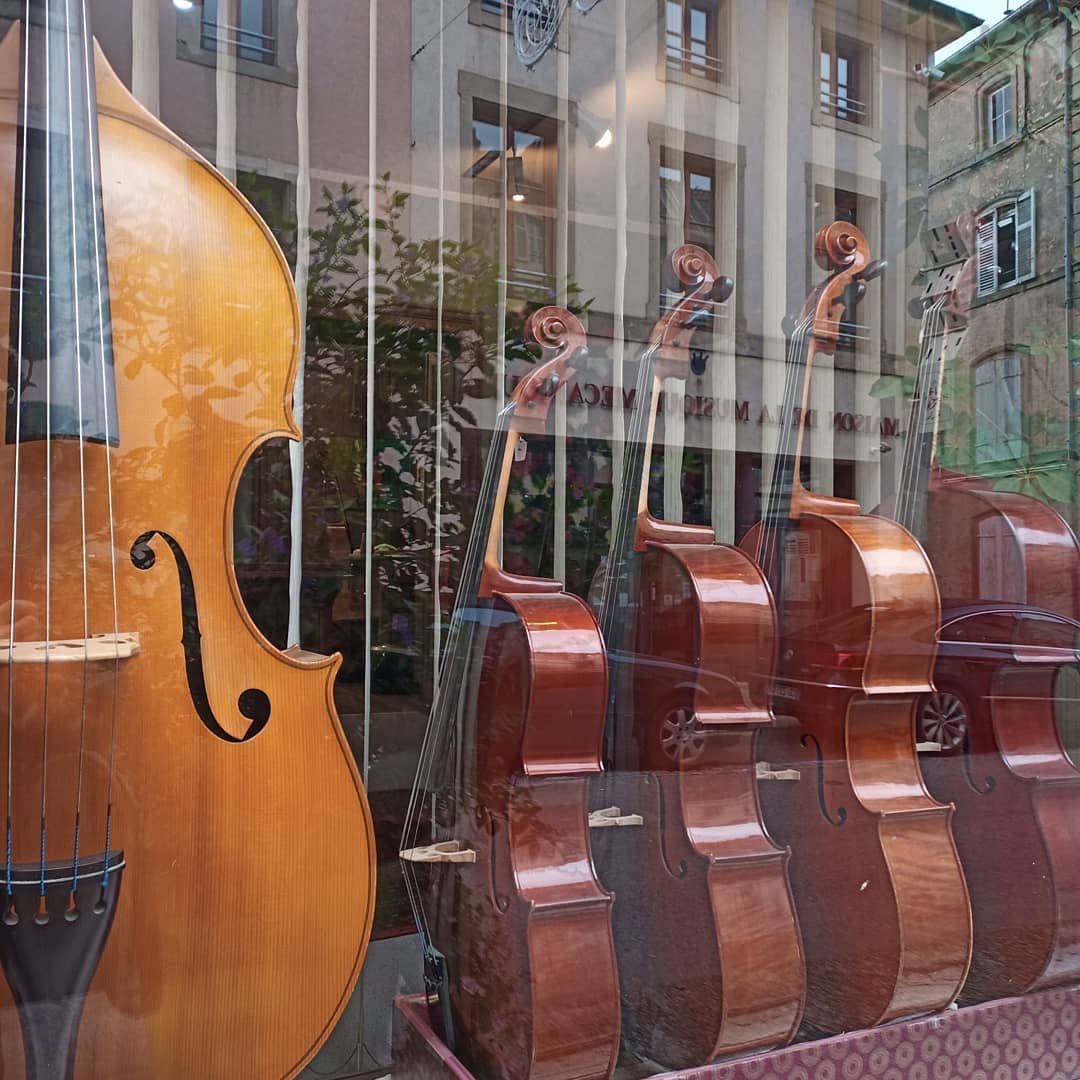
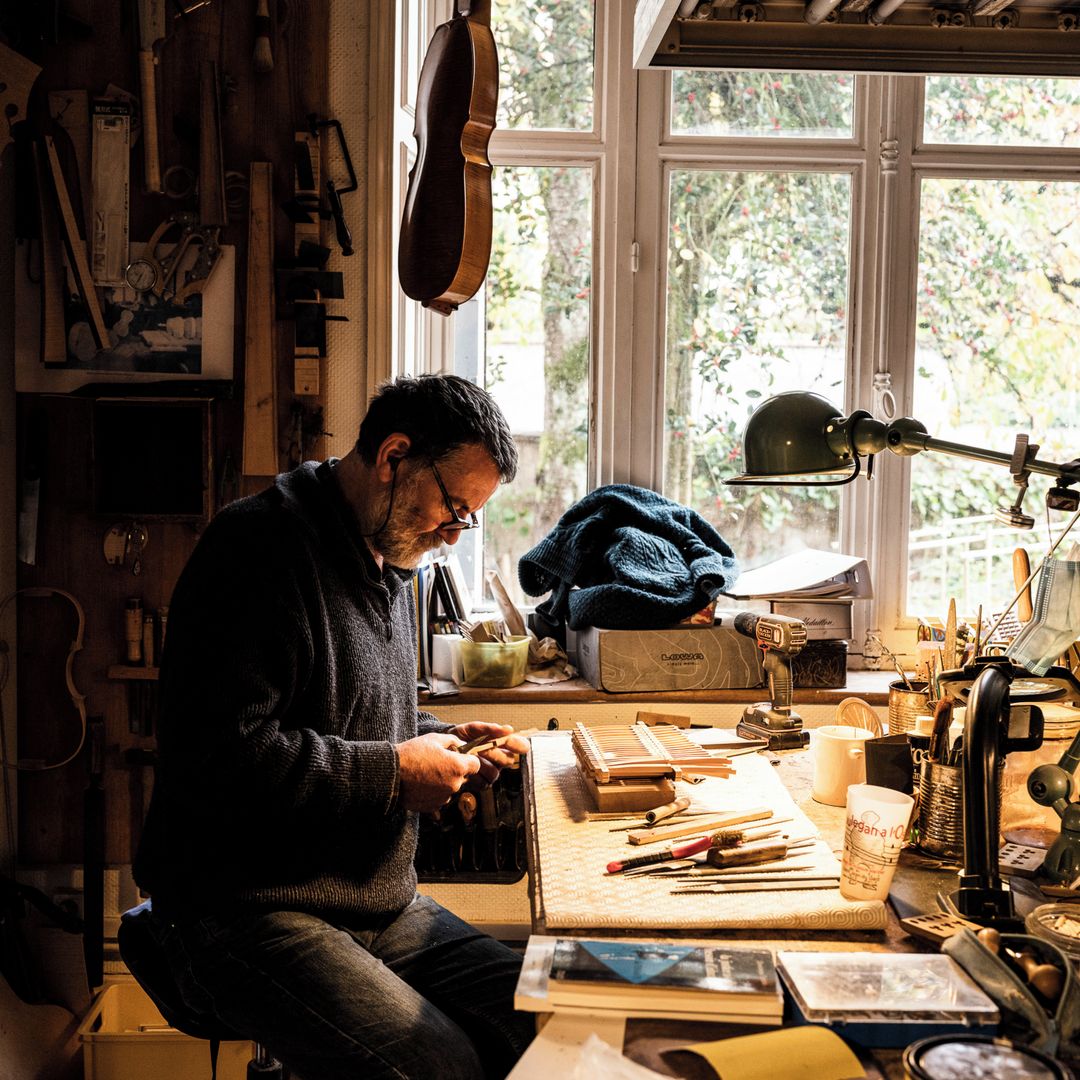
Museum of French violin making and archery
At the dawn of the 17th century, it was in Mirecourt, in the capital of one of the great bailiwicks of the Duchy of Lorraine, that the first “makers” of violins appeared.
Basilica of Saint Pierre Fourier in Mattaincourt.
https://www.ot-mirecourt.fr/index.php?rub=4&ss_rub=105
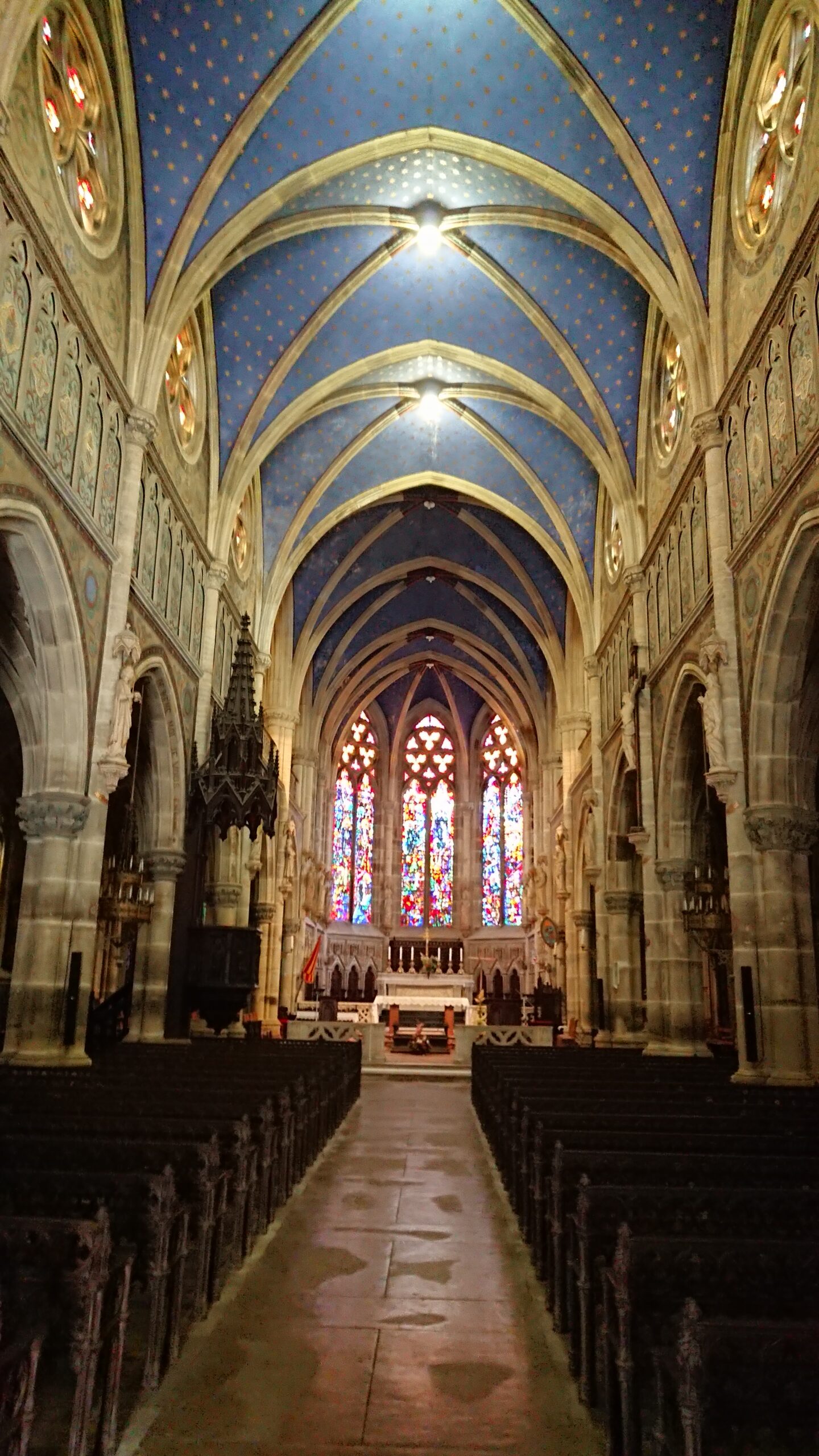

Saxon-Sion
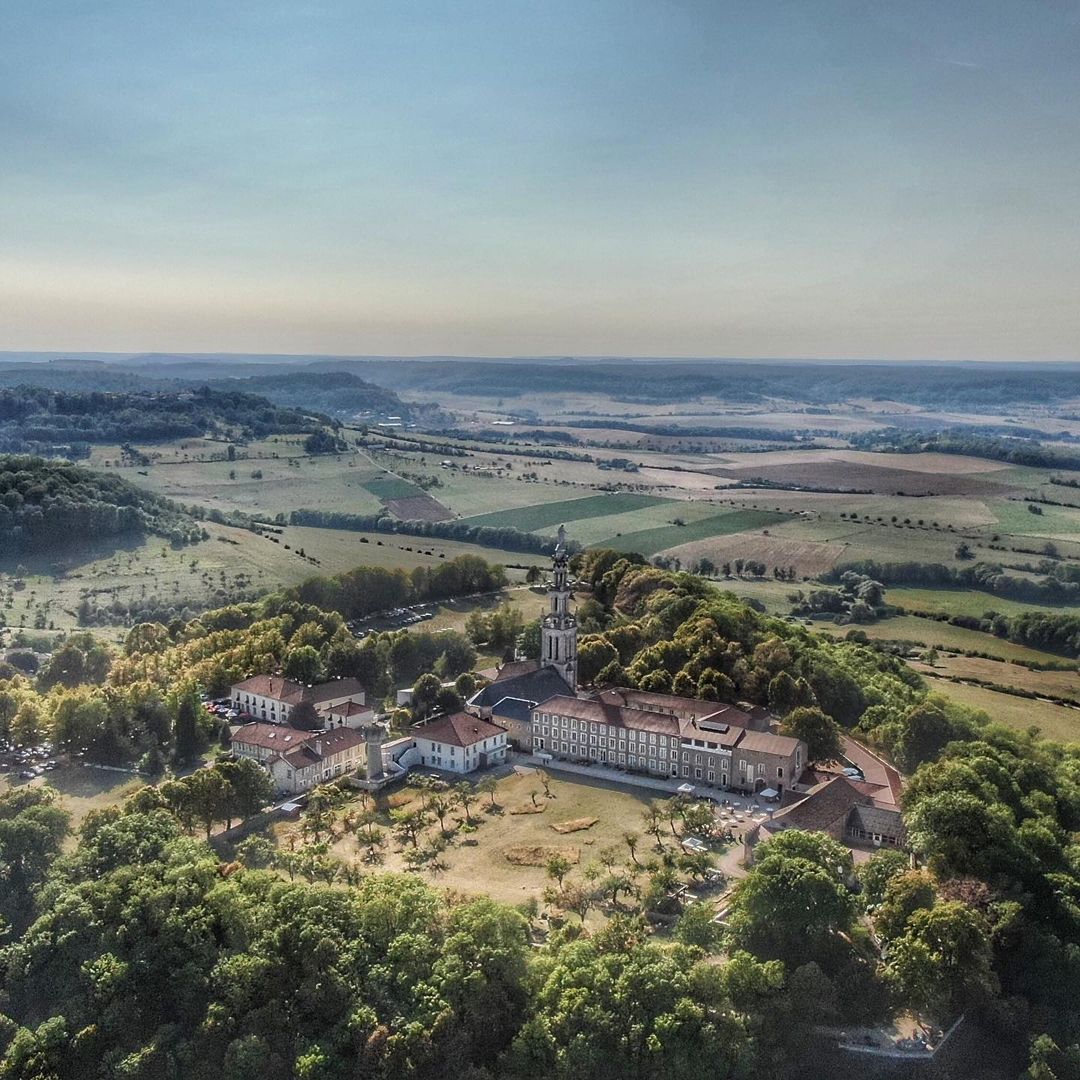
The hill of Sion-Vaudémont
This hill has been a place of pilgrimage since medieval times. It stands in the middle of the Lorraine countryside, and offers a spectacular view of their enchanting scenery.
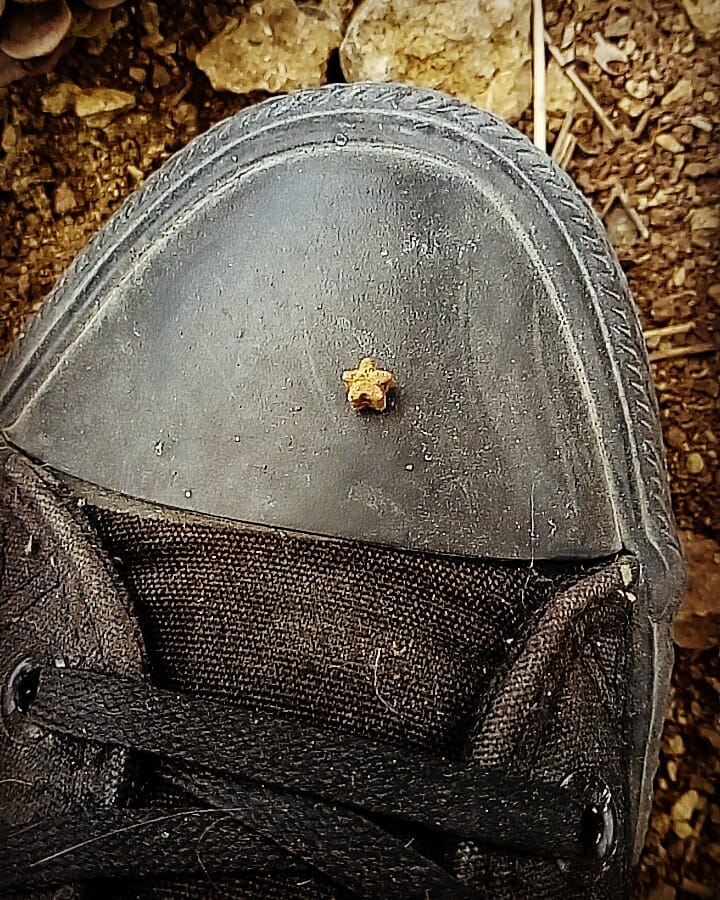
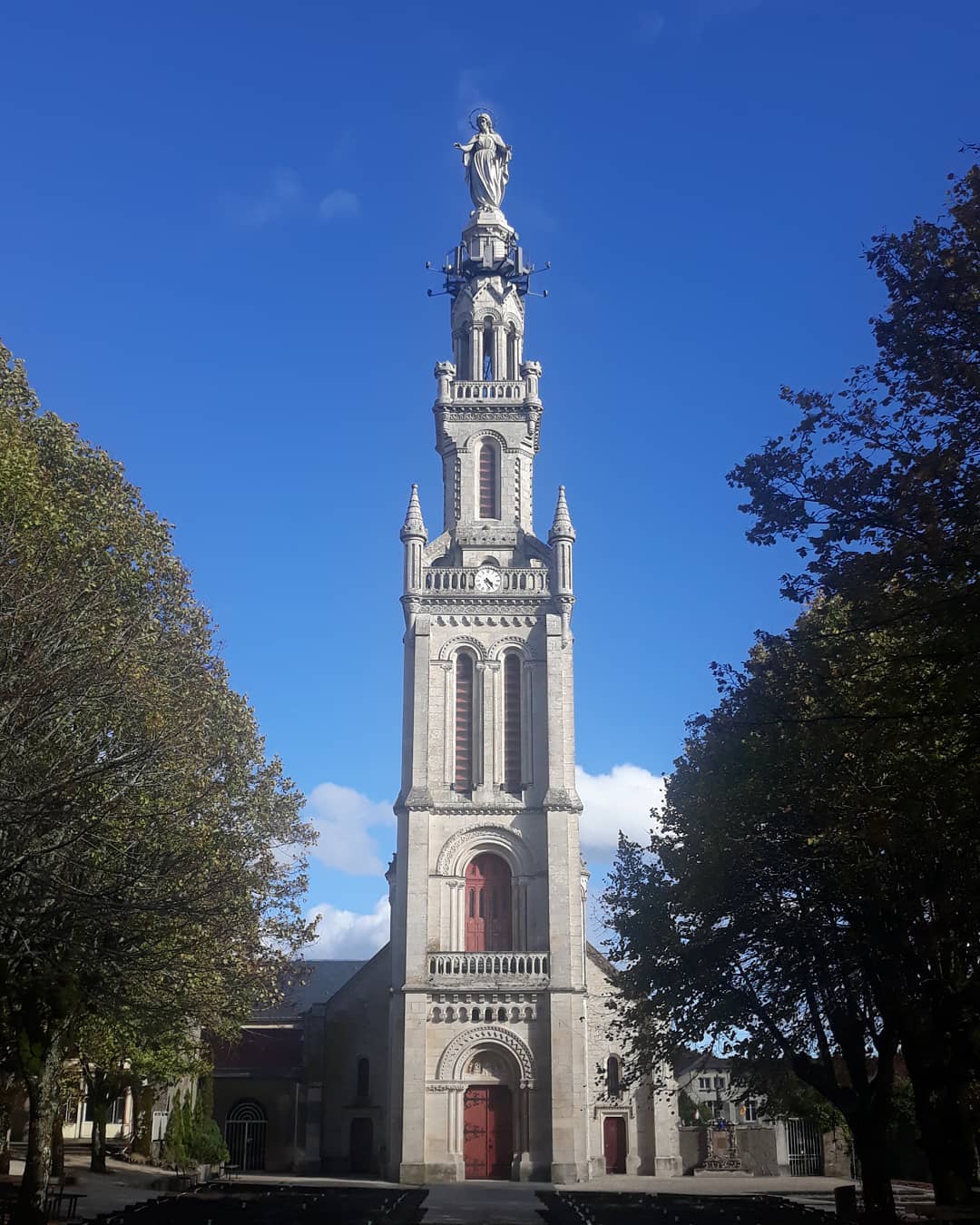
Once at the top, you can admire the surroundings, and visit the legendary basilica of Notre-Dame-de-Sion. This is where we find the famous little stars which are fossilized fragments of animals.
- The site of Sion: the basilica, the City of landscapes in the renovated convent and the panoramic path.
- The site of the Barrès monument, its remarkable landscapes and its 180 ° panorama.
- Its hiking circuits to discover the riches of its cultural and landscape heritage
https://www.france-voyage.com/villes-villages/saxon-sion-19841.htm


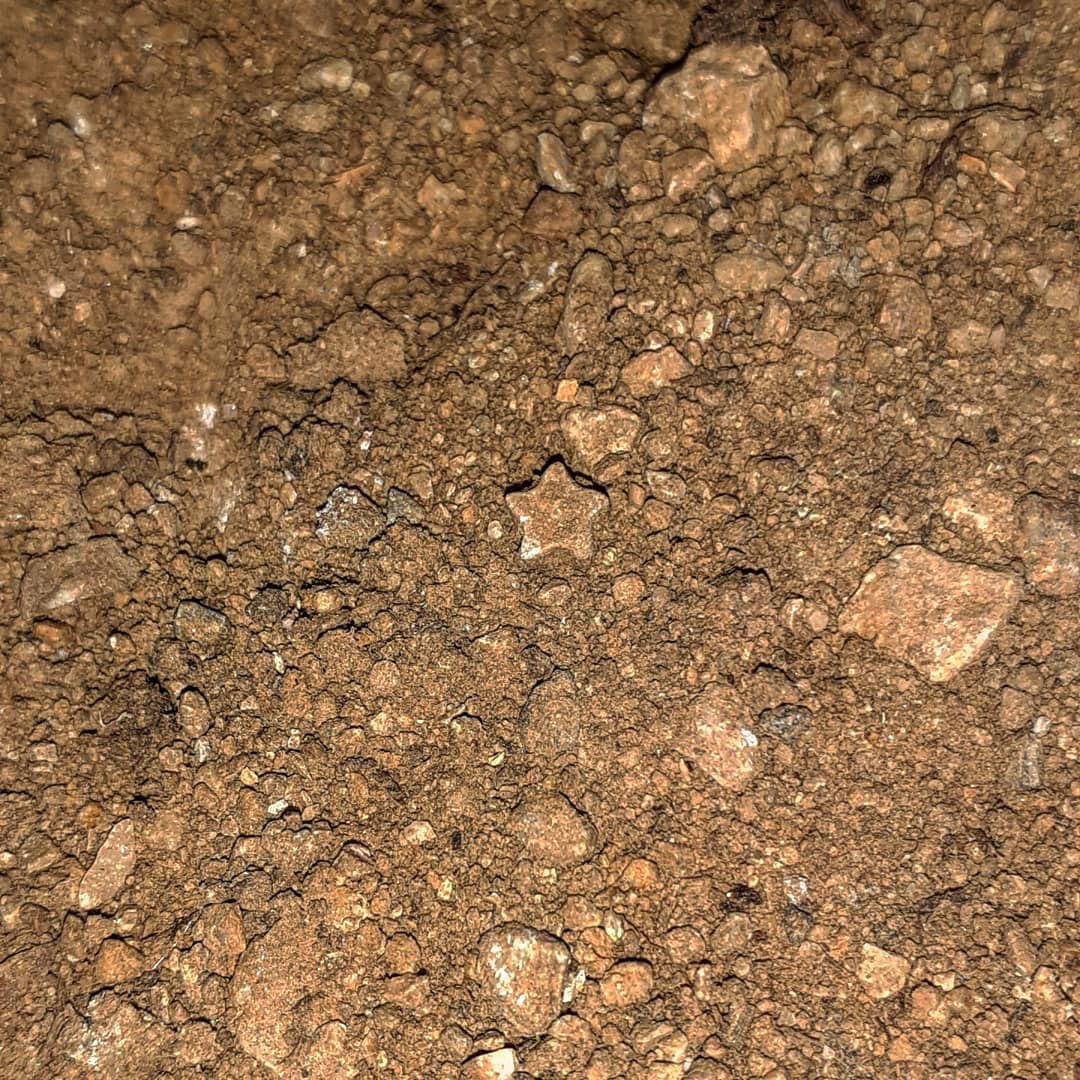
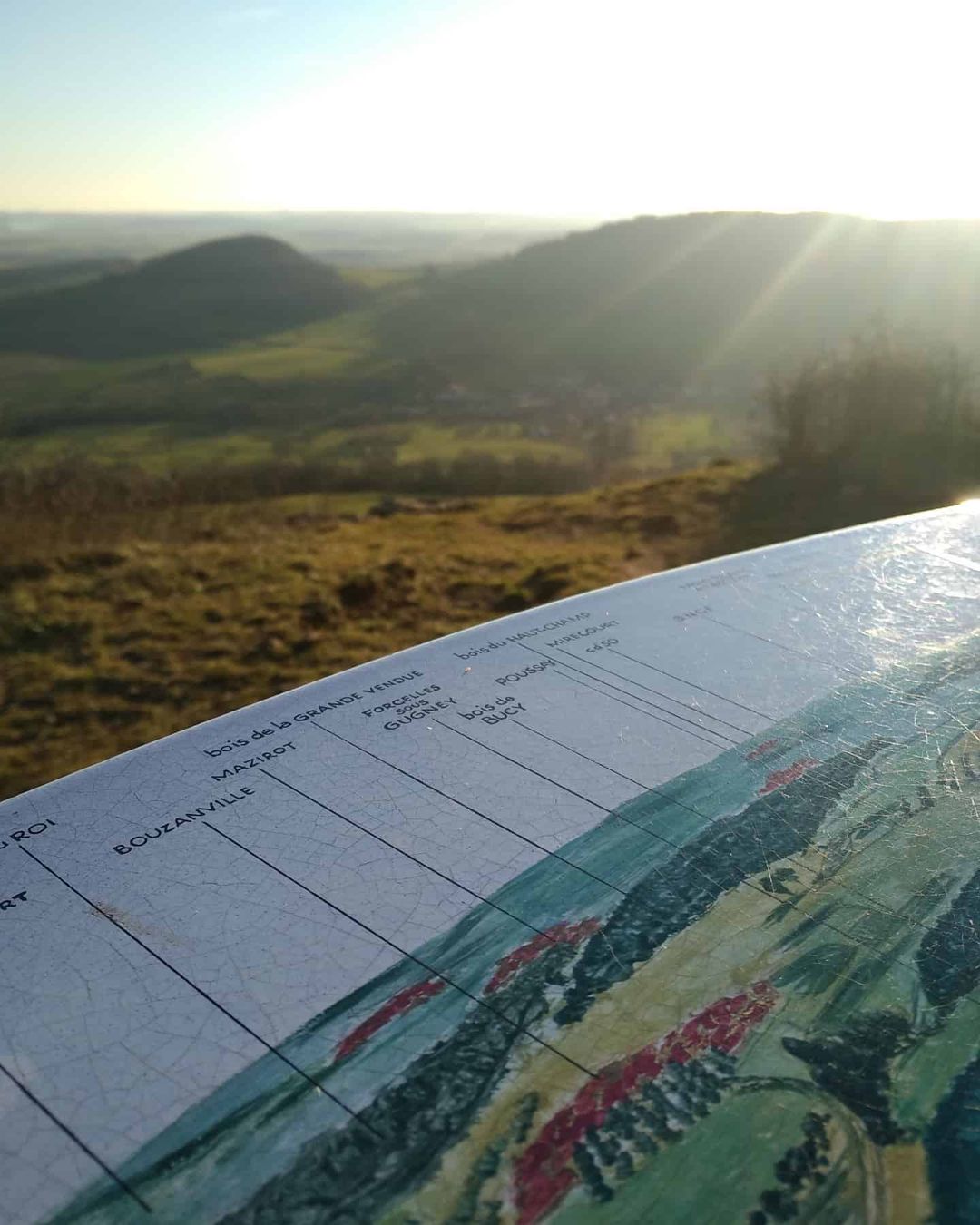
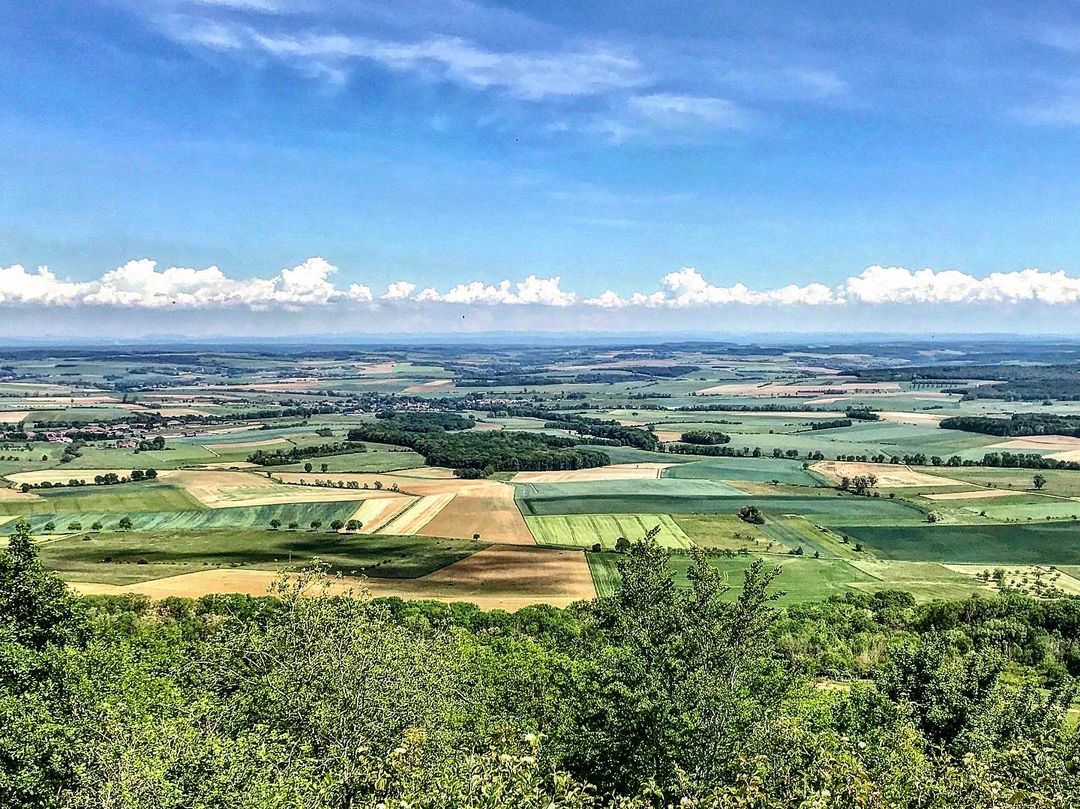
https://www.france-voyage.com/villes-villages/saxon-sion-19841.htm
Vittel and Contrexeville
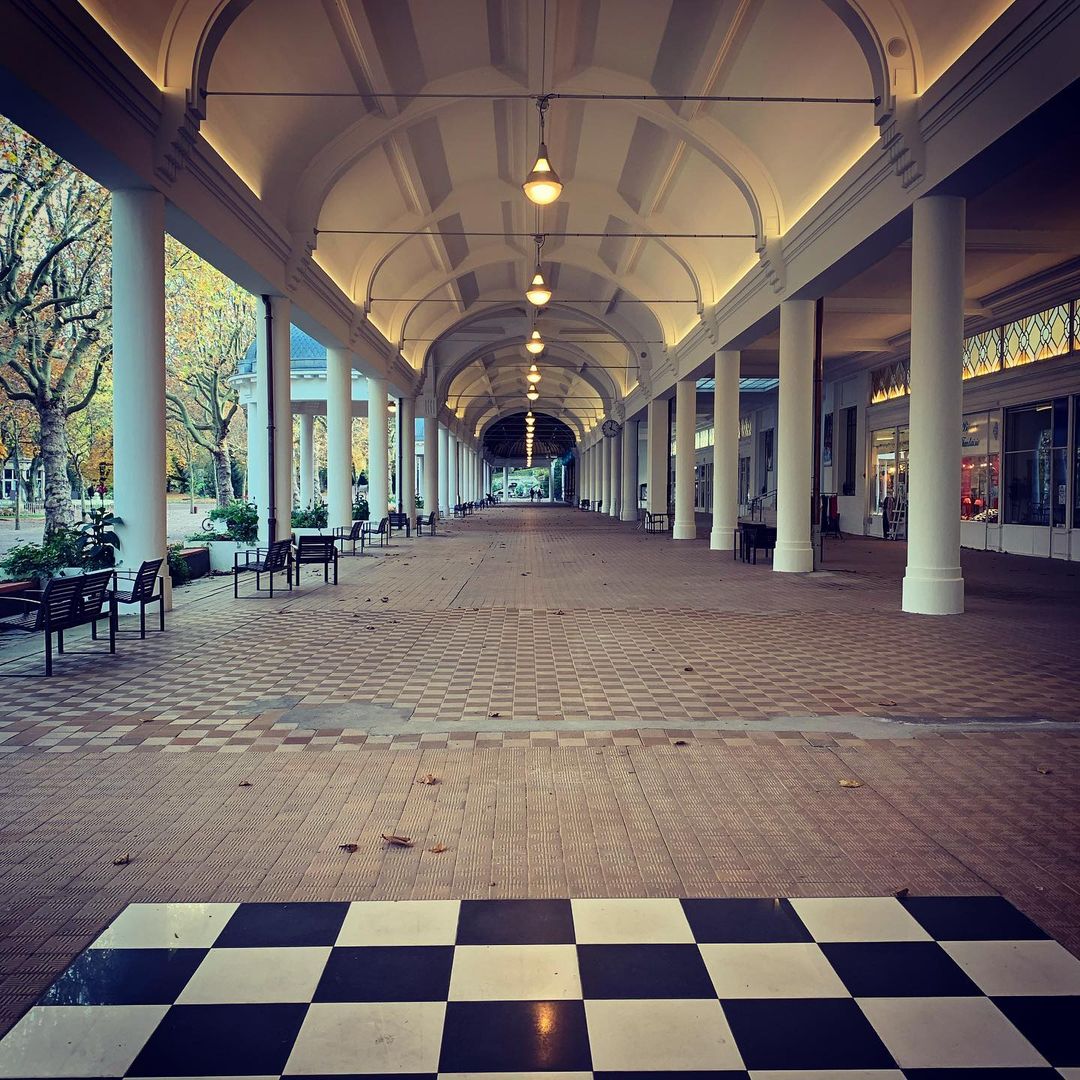
Spa and resort, Vittel has preserved its prestigious past of splendid hotels of the early XX th century.
The Heritage and Spa Museum.
The Casino.
Spas.
The thermal baths park.
In season, races at the racecourse every Sunday.
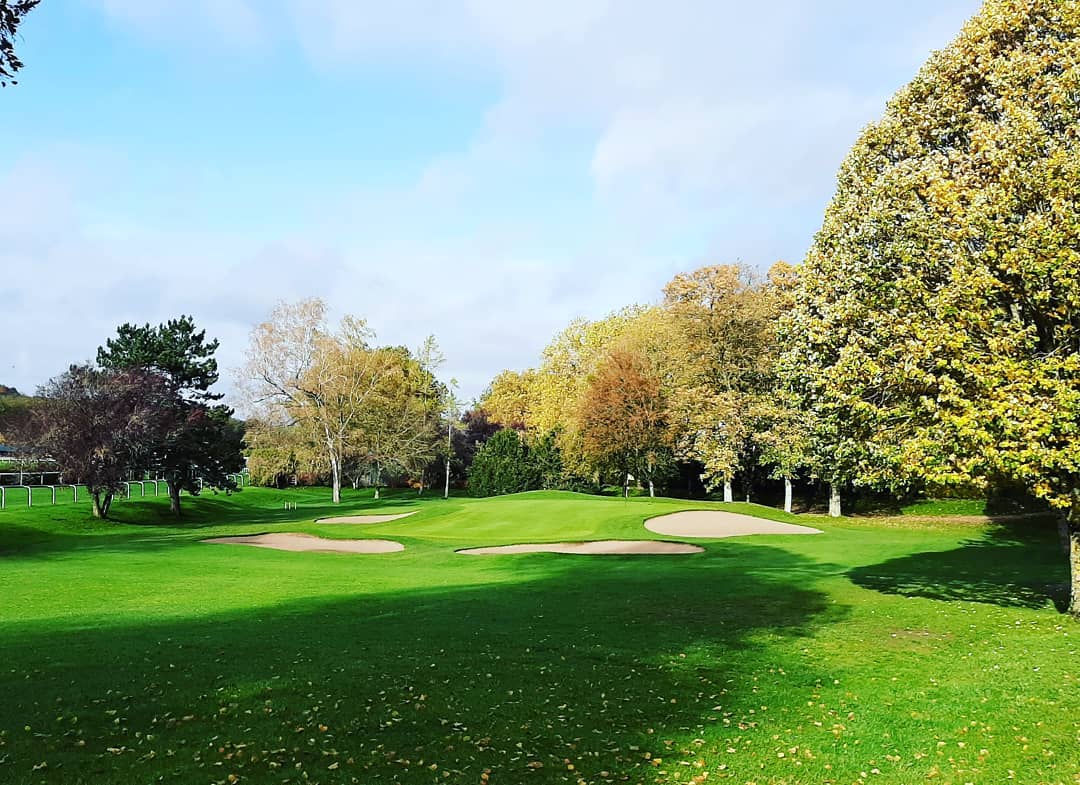
Four golf courses.
Thermal spa (beauty treatments, massages, hammam, sauna, jacuzzi, etc.). Check with the Vittel Tourist Office for opening hours, depending on the season.
Olympic swimming pool.
Tennis court.
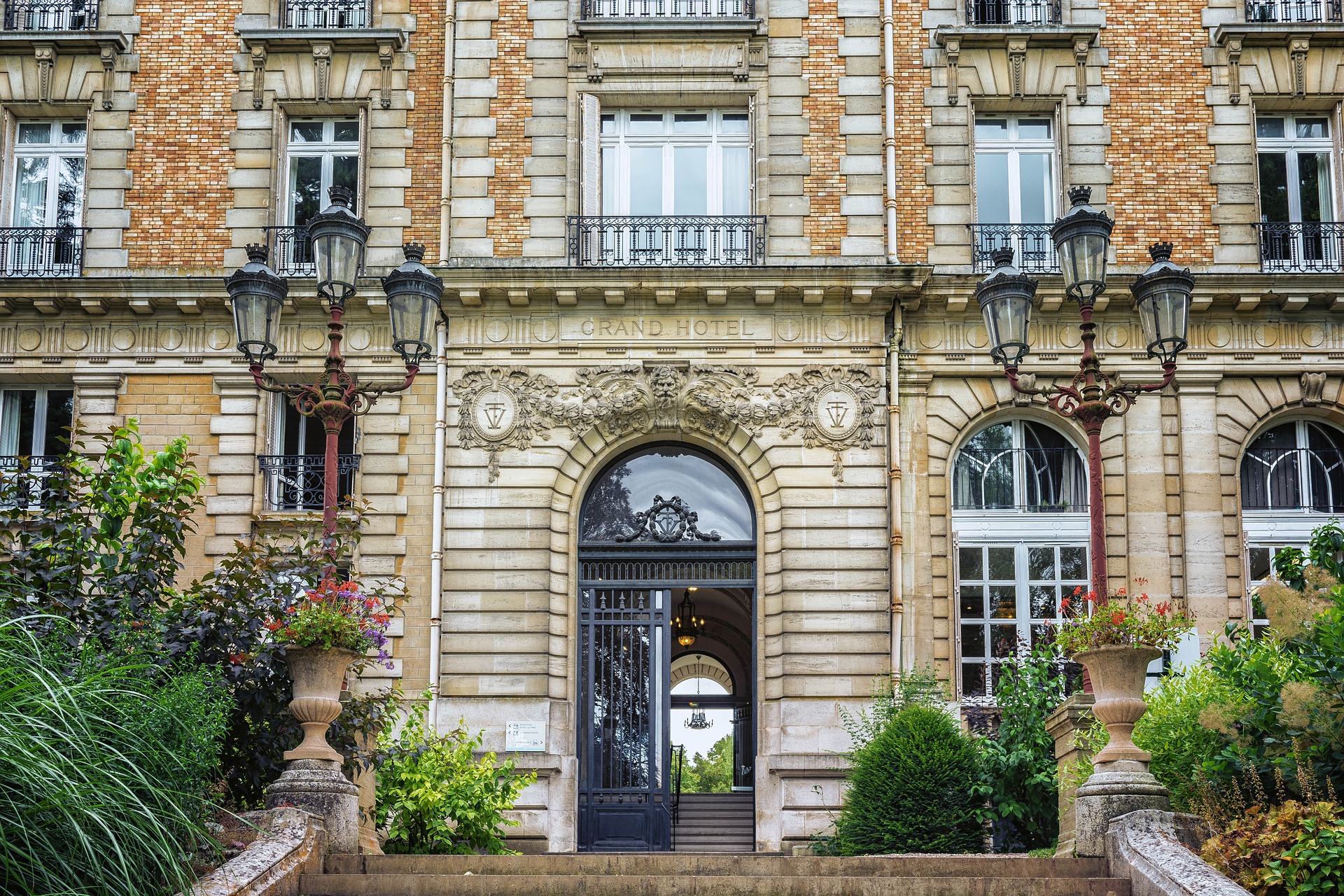
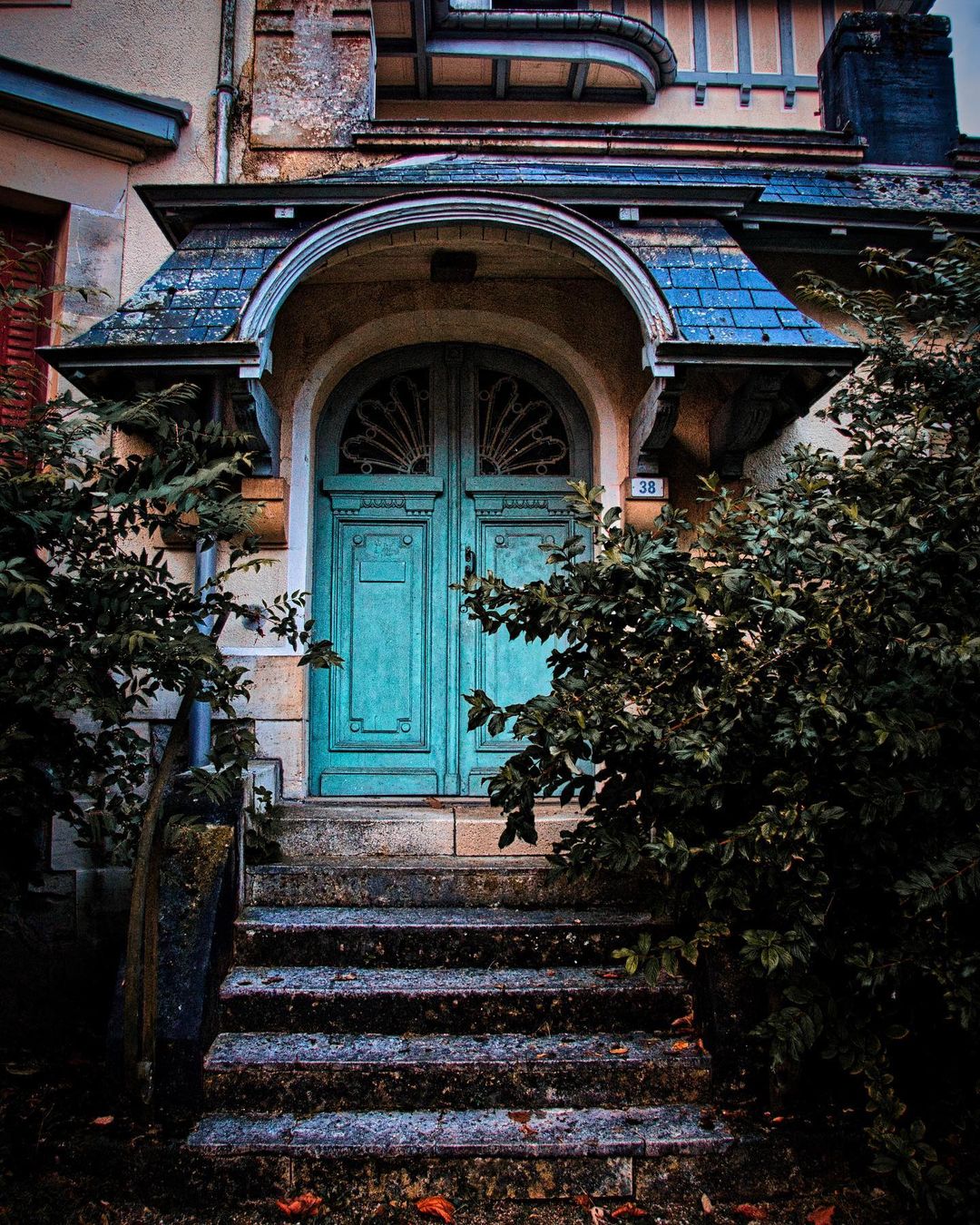
BURGUNDY

Appreciated by gastronomes and wine lovers, Burgundy is also a delight for lovers of nature and old stones. Known throughout the world for its prestigious vineyards and authentic cuisine, this beautiful rural region will delight you with its peaceful groves, expanses of vines, mysterious forests, rivers and large lakes.


Gastronomy
Gastronomic specialties:
Dijon wants to be a capital of gastronomy , with its international and gastronomic fair which is held each year in the autumn, and of which one country is the host of honor and the International Biennial of Culinary Arts (BIAC). Dijon is the administrative capital of one of the most famous wine regions in the world, Burgundy. However, it is Beaune which is the capital of Burgundy wine.
Le Coq au vin: This classic peasant stew hails from the French region of Burgundy. This dish is the perfect showcase for the harmonious coexistence of its two main ingredients – coq, or rooster, and vin, or wine, in this case a bold, rustic red wine. The rooster is cut into sections and combined with rooster’s blood, onions, carrots, garlic, thyme, bay leaves, parsley, mushrooms, salt, pepper, and a hefty dose of red wine. The ingredients are then slowly cooked over low heat until the meat becomes tender.
Les escargots de Bourgogne : Escargot, or cooked snails, are a beloved French delicacy that is usually served as an appetizer. Before preparation, the snails must be purged, removed from their shells, and cooked, usually with garlic butter, chicken stock, or wine. Their tender texture and clean, woody flavors pair especially nicely with herb-infused butter – garlic, thyme, and parsley are the most common choices. Cooked escargots can be served on toasted pieces of baguette, but they are more commonly placed back into their shells and served on an escargot plate. In that case, special snail tongs are needed to hold the shell while extracting the meat with a two-pronged snail fork.
La Burgundy Truffle : These truffles are available in the fall (September to late December) and look like small rocks with a rough surface. The exterior is brown, with large diamond-shaped points. The interior is coffee-colored and veined. The aroma is musky, and the flavor is earthy and nutty, stronger than the summer truffle (because these truffles have spent more time underground), but not as pungent as the winter truffle. The price is much lower than that of black summer truffles.
Le jambon persillé : Jambon persillé is a French appetizer coming from the region of Burgundy. It consists of a ham hock that is simmered in white wine and made into a terrine with a hefty amount of parsley. This humble dish is also a historic one: The Ediun tribes from Burgundy were great charcutiers, and the Roman army, who arrived in Burgundy later, introduced other key ingredients to the dish. It is said that the Romans used to tuck sprigs of parsley in their clothes for protection, and with all of the ingredients coming together in the same region, it is no wonder that jambon persillé was invented in the process.
Le bœuf bourguignon : Beef bourguignon is a rich and complex stew originating from the region of Burgundy in France. The star of the dish is a robust red Burgundy wine, which is used to soften and tenderize tough cuts of Charolais beef, along with savory additions such as onions, garlic, thyme, carrots, potatoes, mushrooms, and sometimes a few strips of dried orange peel to make the flavors even richer. The ingredients are simmered for a long time until the meat is completely soft and succulent, and all the juices have blended into a hearty, dark sauce. Some say that the dish tastes even better after it has been refrigerated for 24 hours and then reheated.
Les œufs en meurette : Oeufs en meurette is a traditional dish originating from the French region of Burgundy. The dish consists of eggs that are poached in red wine, as the wine’s acid keeps the eggs nice and tidy and prevents the spillage that can happen during poaching. The eggs are accompanied by either a meurette or bourguignon sauce, consisting of red wine, onions, bacon, and shallots. This elegant dish is traditionally served with toasted garlic bread on the side.
Le poulet Gaston Gérard : This classic Burgundian dish was created in 1930 by the wife of the Mayor of Dijon, Madame Gaston Gérard. She prepared it for Maurice Edmond Sailland, a celebrated food writer who was visiting at the time. Although there are numerous variations on the recipe, Dijon mustard is a key ingredient in all of them. The chicken (preferably of the Bresse variety) is sautéed in butter or oil, then combined with a sauce consisting of cooking juices, white Burgundy wine, heavy cream, grated cheese, and Dijon mustard. The dish should taste the best when paired with a glass of white wine on the side.
La pôchouse : Pôchouse is a traditional freshwater fish stew originating from the French region of Burgundy. Fish such as eel, sea bass, pike, and tench is poached in Aligoté, a white wine from the region. Garlic, bacon, thyme, and bay leaves are commonly used as flavorings. The dish is usually served with a creamy sauce consisting of butter and flour. Pôchouse is sometimes referred to as the bouillabaisse of Burgundy, although it can sometimes be found in other parts of France.
La gougère : Gougères are tiny, hollow pastry puffs made from choux dough and cheese, most commonly grated Comté, Emmentaler, or Gruyère. These cheese puffs are often served cold or at room temperature as an accompaniment to beverages such as champagne or wine, but they can also be served warm as an appetizer. The snacks were invented in the 17th century, in a store called Le ramequin de Bourgogne, located in the Burgundy area. Gougères can also be served in a sweet version, accompanied by various fruit jams on the side.
Le cassis Noir de Bourgogne des vergers bourguignons et crème de cassis de Bourgogne : Crème de cassis is a blackcurrant liqueur that has its origins in French Burgundy. Although it is believed that it first appeared in the 16th century, commercial production started in the mid-1800s. The drink is produced by macerating blackcurrants in a neutral spirit. It is characterized by its dark purple color and a perfect balance of sweetness and subtle tartness. Crème de cassis is mainly used as a cocktail ingredient in classics such as Kir and its numerous varieties, as well as Arnaud, El Diablo, or Vermouth Cassis.
Le gingerbread including nonnettes : The delicate nonnettes, or jam-filled individual cakes, are one of the classic French desserts. Although there are several different variations of the cake, essentially all of them are gingerbread cakes that are filled with aromatic orange jams and sweetened with honey. The sponge of the little nonnette is soft, usually made with the addition of rye bread and honey, and generously spiced with the gingerbread spice mixture, which includes cinnamon, nutmeg, anise, cardamom, and ginger. At the heart of each cake, there is a pungent orange marmalade. Occasionally, these tiny delicacies are glazed with a mixture of egg whites, sugar, and lemon juice. They are usually connected to the winter season, and are commonly offered during the St. Nicholas festivities in December, although they can be enjoyed all year round. Translated from French, the name nonnettes means little nuns, referring to the origin story of these French classics. In the Middle Ages, the nuns used to prepare these fragrant cakes at the local monasteries, and in the 19th century, they were commonly offered as a sweet refreshment to travelers who would pass in the vicinity of the monasteries. It is believed that they originate from Dijon, but today they can be found in other parts of France as well. Nonnettes can be found at local bakeries, or bought in stores, which offer pre-packaged versions of these sweet delicacies.
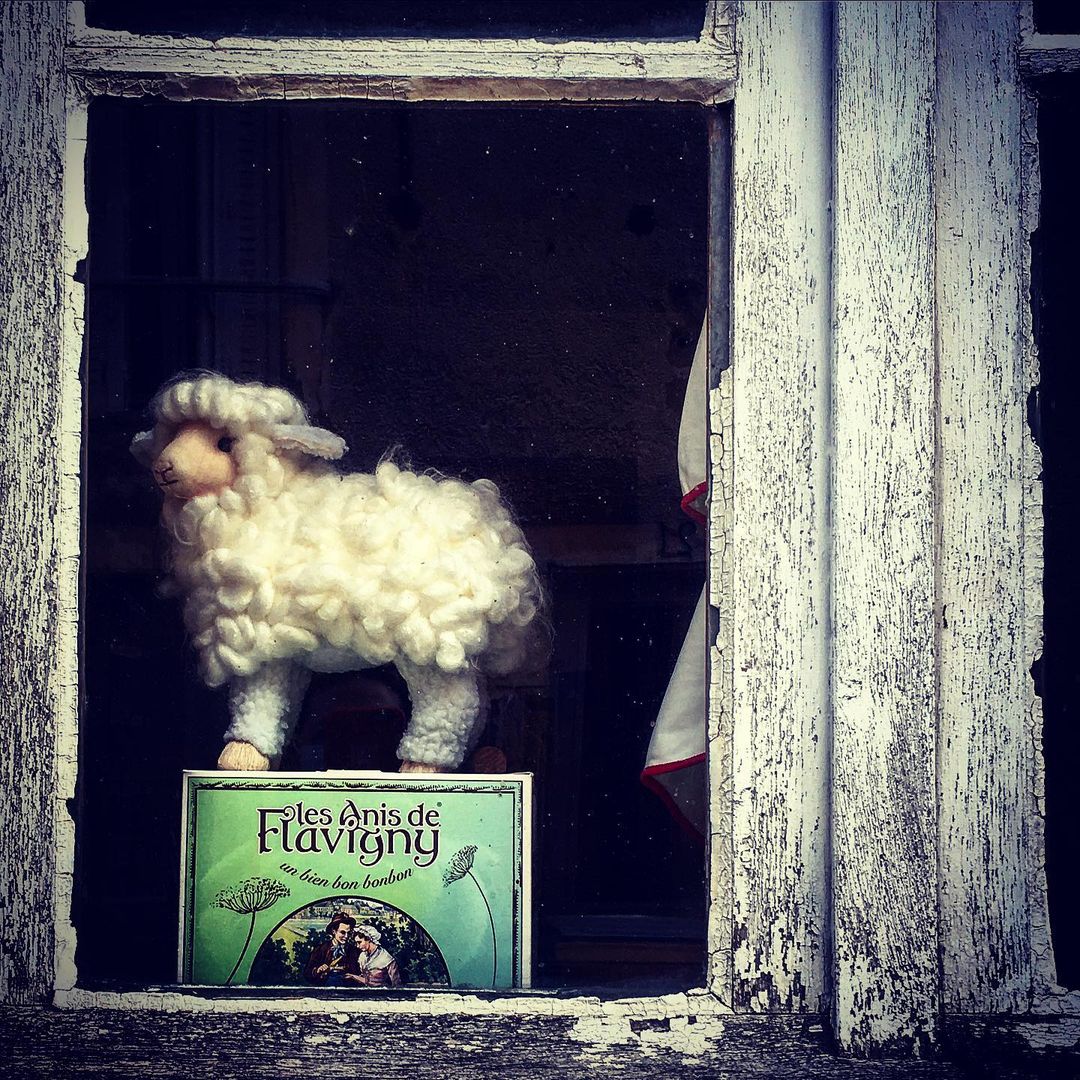
Les bonbons à l’Anis de Flavigny: These candies are traditionally produced in Flavigny from a recipe dating back to 1591. Anise seeds are first placed in a pan and coated with a combination of sugar and water, and then the pans are rotated, making the candies smooth. It takes about 15 days to transform a small seed into a candy that weighs one gram. The candies come in ten natural flavors – anise, blackcurrant, lemon, ginger, tangerine, mint, orange blossom, liquorice, violet, and rose. Regardless of the flavor, the finished candy is always called Anis de Flavigny.
Poires au vin: Poires au vin is a traditional, world-known French dessert originating from the Beaujolais wine-growing region. It consists of pears, fruity red wine (usually Beaujolais), and flavorings such as honey or sugar, cinnamon, vanilla, orange zest, peppercorns, and cloves. The pears are poached in wine and other ingredients, and the combination is then brought to a boil. The pears, still slightly firm, are drained, while the remaining ingredients are thickened into a sauce which is then poured over the pears when served.
La Moutarde de Dijon: Moutarde de Dijon is a traditional French mustard characterized by its pale yellow color and a creamy texture. It is usually made from ground brown or black mustard seeds, salt, and various spices. Although it could only be produced in the Dijon region of France in the past, today the term Dijon mustard has become so popular that any mustard using the traditional Dijon recipe can be named Dijon mustard. The original recipe was created by Jean Naigeon, a mustard producer who first started to use vinegar instead of the juice of unripe grapes (verjus) in its production. It is often used as a unique accompaniment to numerous chicken, beef, and salmon dishes, as well as being a flavorful dressing for hamburgers, hot dogs, and salads.
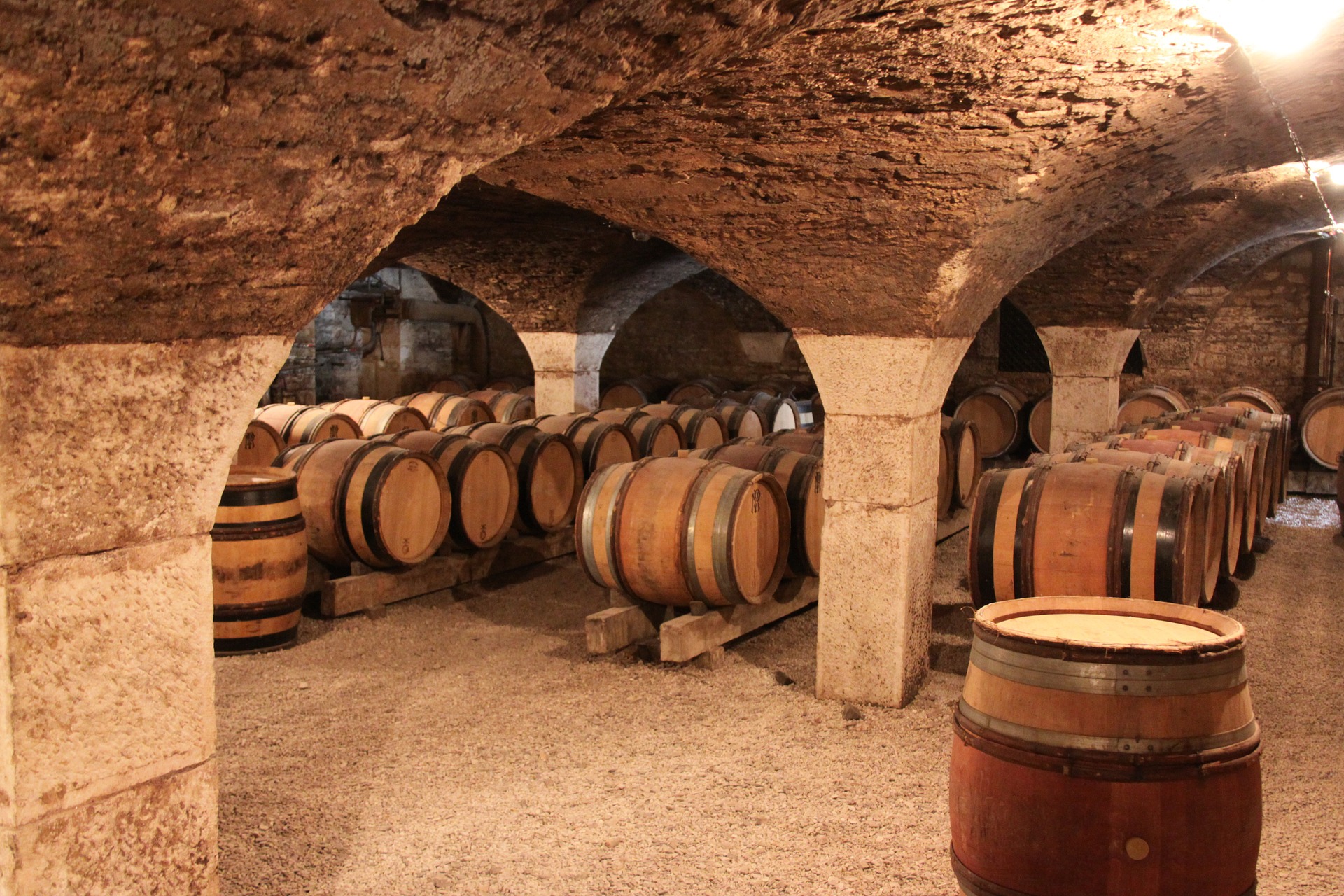
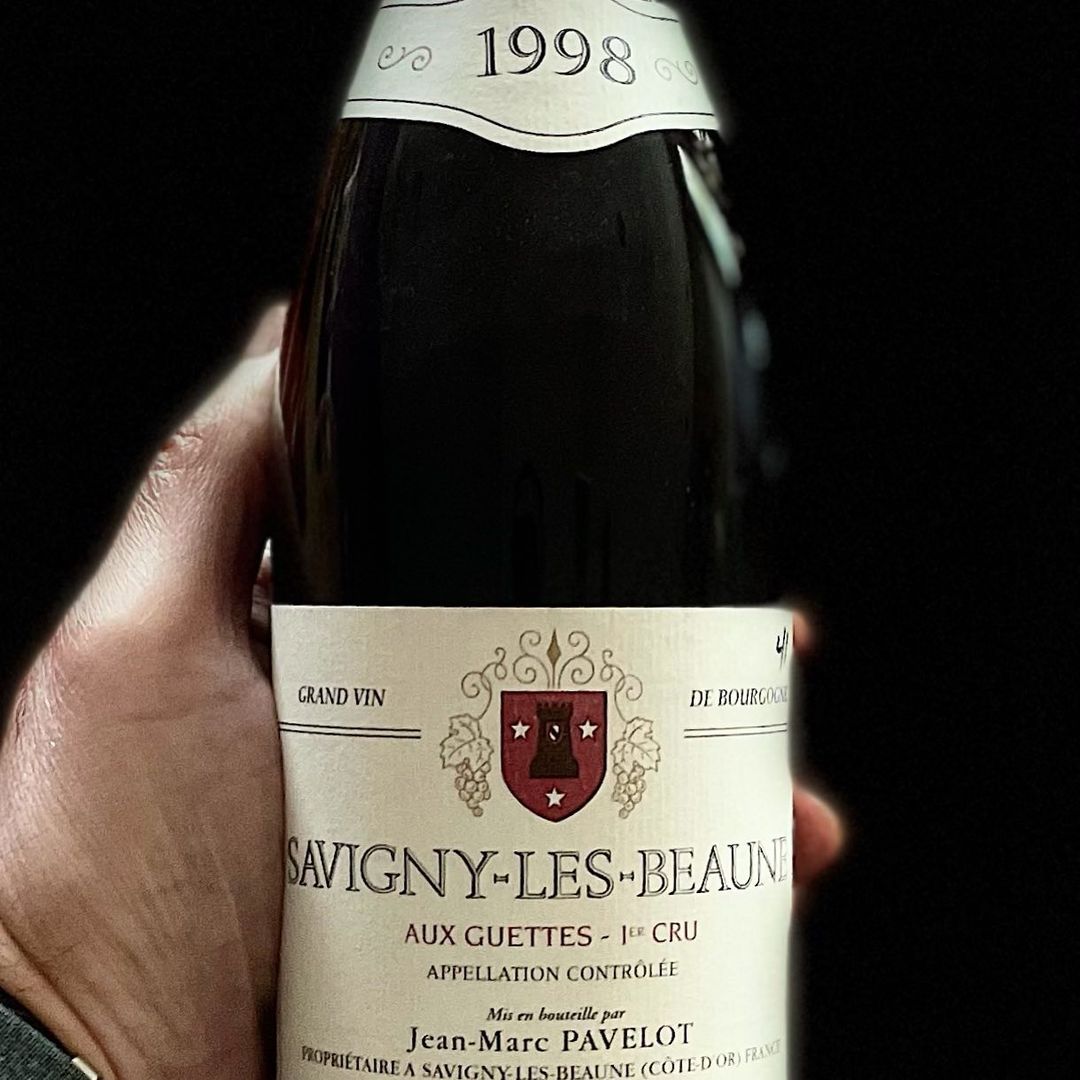
Les vins de Bourgogne : Bourgogne or Burgundy is a wine region in France which produces some of the most prized wines in the world. Located in east-central part of France, the region is dominated by Pinot Noir and Chardonnay, though some other red and white grapes such as Aligoté, Pinot Gris, or Gamay are also used, but on a much lower scale.
Burgundy boasts with more than 100 approved wine growing areas that are regulated by a complex classification system, which according to quality divides the region into grand cru, premier cru, village wines, and regional appellations. The wines are greatly influenced by age as well as terroir, and they show great diversity in flavors and aromas. Most Burgundy reds display complex and layered aromas of fresh fruit, spices, as well as earthy notes of leather, truffle, or mushrooms, while matured varieties tend to develop more juicy expressions of cooked fruit or jam. White wines are characterized by floral, fruity, and buttery aromas which are often complemented by citrus or honey notes. Because of their diversity, both white and red Burgundy wines can match a wide variety of dishes, including appetizers, charcuterie, meat or fish based main courses, as well as desserts and regional cheese.
Les fromages : époisses, charolais, délice de Bourgogne, Soumaintrain
Dijon
was the XIV th and XV th centuries the seat of one of the brightest over the Europe: that of the Dukes of Burgundy . Exceptional ensemble, witness to this sumptuous past, the built heritage of the city of Art and History of Dijon is made up of superb monuments and picturesque old half-timbered houses. It is also enriched in the Renaissance, and the XVII th and XVIII th centuries, elegant mansions: the hotel Esterno, Coeurderoy the hotel, the hotel Legouz Gerland , the hotel Bouhier from Lantenay …
You can explore the city on foot, by tram, by bike, or by shuttle. Many guided tours will allow you to approach its history and its preserved districts. The Owl trail , a 22-step pedestrian circuit to follow at your own pace, will introduce you to the must-sees of the historic center. Take the time to stroll through its pedestrian streets and its pleasant squares, then take advantage of the beautiful boutiques and delicatessens that you will come across along the way!
Housed in the Palace of the Dukes and Burgundy States which also houses the town hall of Dijon, the Museum of Fine Arts contains remarkable collections ranging from Antiquity to the XXI th century through the Middle Ages and the Renaissance. It is in the old large ceremonial hall that you can admire the sumptuous tombs of Dukes Philippe the Bold and Jean the fearless. Dated XV th century, the Philip the Good Tower , which dominates the palace from its height of 46 meters, will offer a magnificent view of the city and its surroundings!
Many churches, which cover all eras, from the Middle Ages to the present day, have earned Dijon its nickname of city of a hundred spiers. The Church of Notre-Dame of Dijon is a Gothic masterpiece, with its remarkable facade adorned with gargoyles. Unusual, its sculpted owl, located on a buttress of the building, is considered a lucky charm that must be caressed with the left hand when making a wish! Inside the church is at the south apse you will see the very old statue of Our Lady of Good Hope, a Virgin wood dating from the XI th century.
Also to be discovered, the Cathédrale Saint-Bénigne de Dijon in Burgundian Gothic style, the old Sainte-Anne church transformed into a museum of sacred art, the Saint-Michel church in flamboyant Gothic style, the Saint-Étienne church whose choir and the transept houses the Rude museum dedicated to the Dijon sculptor François Rude…
A masterpiece of medieval Burgundian sculpture awaits you at the hospital center, in the former cloister of the Charterhouse of Champmol : the Well of Moses , the base of a Calvary which has now disappeared, built between 1395 and 1405.
Contemporary Dijon is revealed through several spaces dedicated to art: private galleries; the Atheneum, place of exhibition; the Consortium, a contemporary art center.
To do with children, the kite museum in Perrigny-lès-Dijon , where more than 1,000 kites from all over the world are unveiled!
Gateway to the prestigious vineyards of Burgundy, and in particular the Côte de Nuits , Dijon is the city of mustard, gingerbread and crème de cassis , which has its museum, the Cassissium, in Nuits-Saint -Georges , about thirty kilometers south of Dijon. Its gastronomic component, which cannot be ignored, also includes beef bourguignon, eggs in meurette , parsley ham , coq au vin and of course the grands crus… In the halls, nearly 250 stands offer fresh products and local specialties. This market of flavors takes place Tuesday, Thursday and Friday morning, as well as Saturday all day.
It is also a green city with its 700 hectares of parks and gardens, including the beautiful Arquebuse park with its arboretum, its rose garden and its science garden which brings together a planetarium, a museum and a botanical garden dedicated to biodiversity. Also worth seeing is the Parc de la Colombière, a French-style garden classified as historical monuments, with more than 6,000 trees.
For gourmets:
Where to eat?
Dijon tourist office website: here


Beaune
City of Art and History, capital of Burgundy wines, the city of Beaune , located about forty kilometers south of Dijon , has an exceptional heritage. Surrounded by old ramparts, it is considered the center of the Burgundy wine trade , as evidenced by the famous Hospices de Beaune auction which takes place every third Sunday in November.
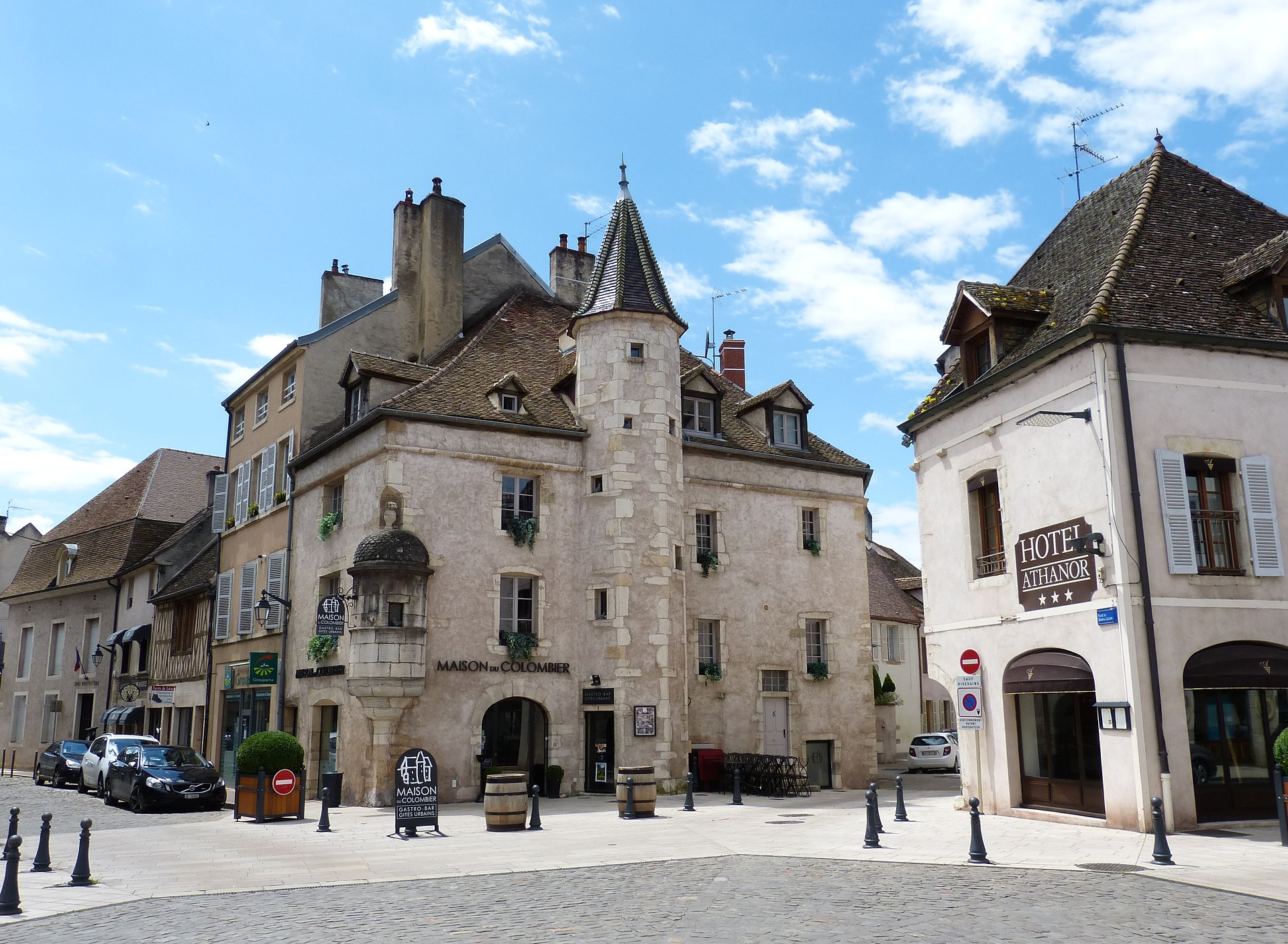
The old town is home to remarkable monuments and reveals to walkers beautiful Renaissance hotels, pretty half-timbered houses and charming interior courtyards. Take the time to stroll there, to discover the architectural treasures of Beaune at your own pace or with the help of an audioguide.
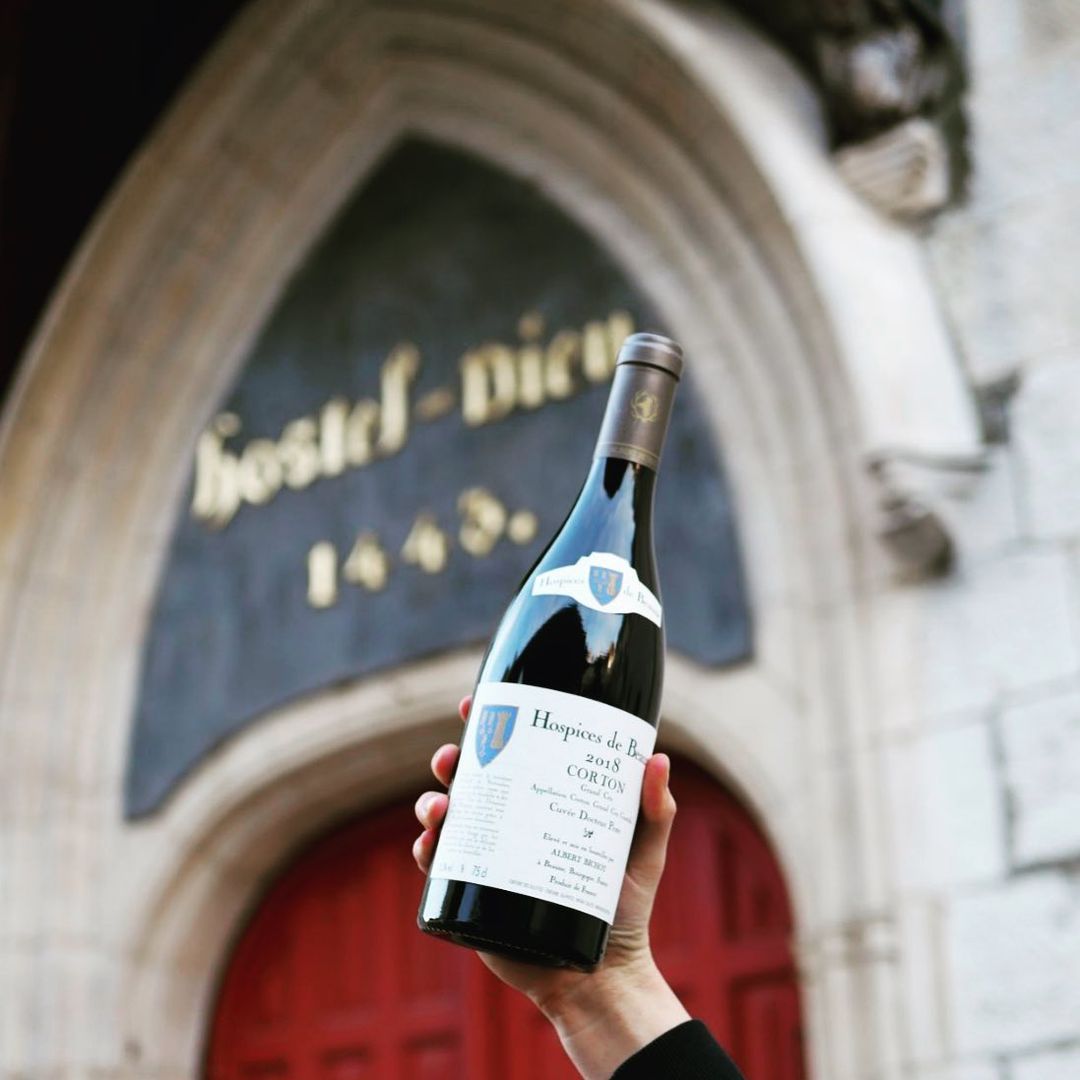
The Hotel-Dieu , a masterpiece of Burgundian medieval architecture, built in the 15th century, at the request of the Chancellor of the Duke of Burgundy, Nicolas Rolin, to help the poorest patients. Listed as a Historic Monument, this superb complex with its famous glazed tile roofs has become a museum of the history of medicine. Throughout the visit, you will be able to admire the magnificent main courtyard, the impressive Salle des Pôvres, the Gothic chapel, the kitchen or even the apothecary, as well as a masterpiece of dated Flemish painting. 15th century: the polyptych of the Last Judgment, attributed to the artist Rogier van der Weyden. It is in these places that the largest wine auction in the world takes place in November, part of the proceeds of which is devoted to the maintenance of the Hôtel-Dieu.
Not far from there, rue Paradis, it is the hotel of the Dukes of Burgundy that you can visit. Historical monument, this former ducal palace of the 16th century houses the Burgundy Wine Museum , where the history of the vineyard and wine making is traced through artistic and ethnographic collections, tapestries and objects daily newspaper of winegrower know-how.
Almost everywhere in the Beaune region, cellar tours, tastings, organized excursions in the vineyard allow you to discover the wine heritage of Burgundy.
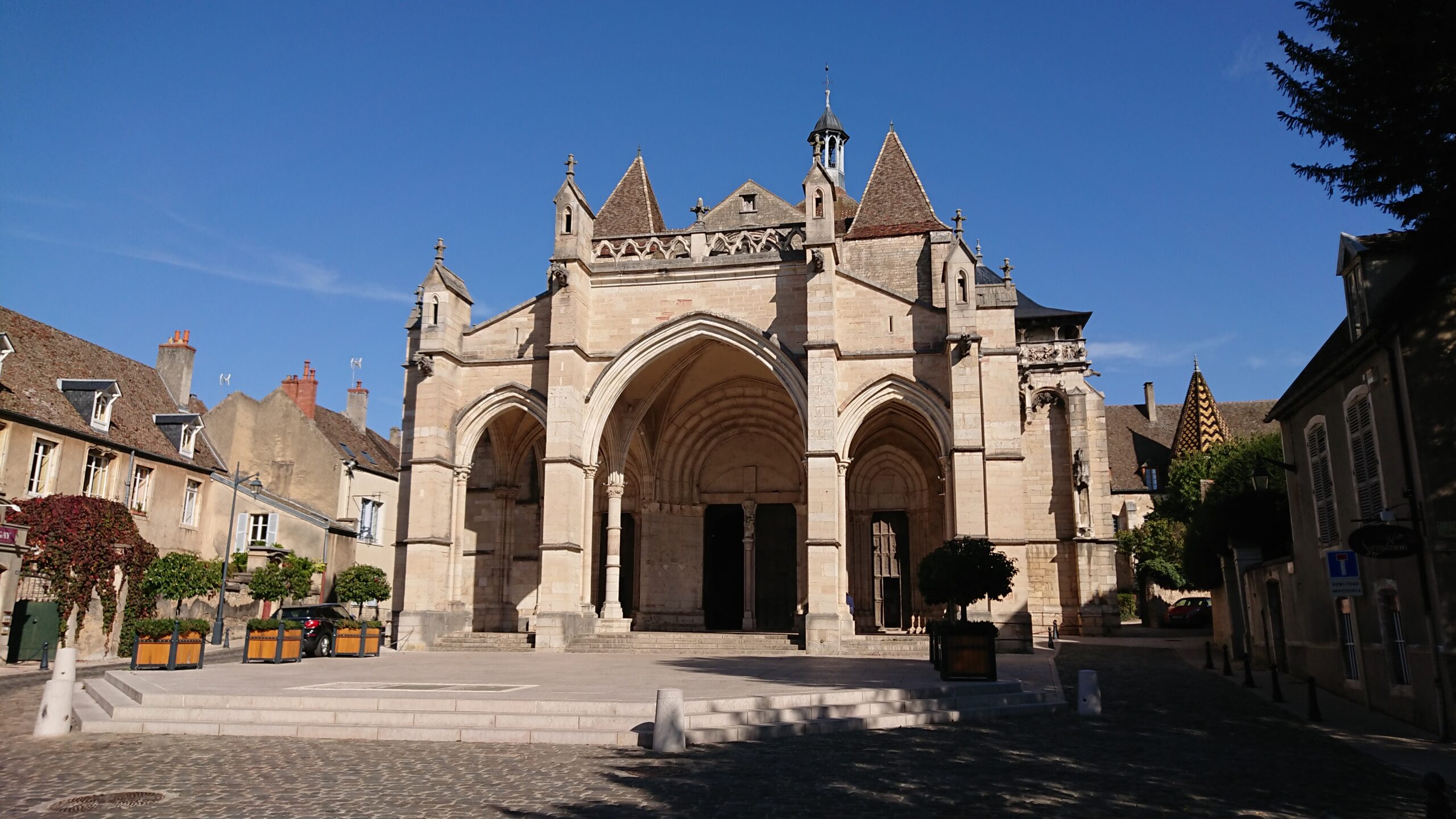
Another must-see monument: the Notre-Dame collegiate church , of Cluniac inspiration. This beautiful building from the 18th century, one of the last of the great Burgundy Romanesque churches, has a Gothic portal and a pillow, and a bell tower Renaissance. Inside, a collection of five tapestries of the 15th century depicting the Virgin of life, a Renaissance chapel and a black Virgin of 12th century.
The cultural life of Beaune is dense and rhythmic all year round. One of the most prestigious baroque music festivals in Europe takes place here in July.
Do not miss the Lights in Beaune which allow you to admire monumental projections on the monuments and emblematic sites of the city such as the Hôtel-Dieu, the collegiate church, the wine museum, the Saint- chapel throughout the summer. Étienne, the belfry, the rampart of the Ladies and the Marie de Bourgogne gate.
Specialties:
A 580-hectare vineyard presents red wines made from Pinot Noir. An exceptional estate including 320 hectares in 1er cru (the largest area in 1er cru on the whole coast). Firm, frank, colorful, full of fire and bouquet, mellow, such are the wines of Beaune.
Gastronomy is an integral part of the life of a Burgundian. A good table is cleverly balanced: cheese gougères as an appetizer around a Kir to whet the appetite. A Parslied Ham or Burgundy snails, or eggs in red wine sauce are a delicious entry. Then comes the bœuf bourguignon, the Coq au vin, the quail à la vigneronne, the ham with wine lees. All these simmered dishes go so well with the wines of the region.
Beaune Tourist Office: here
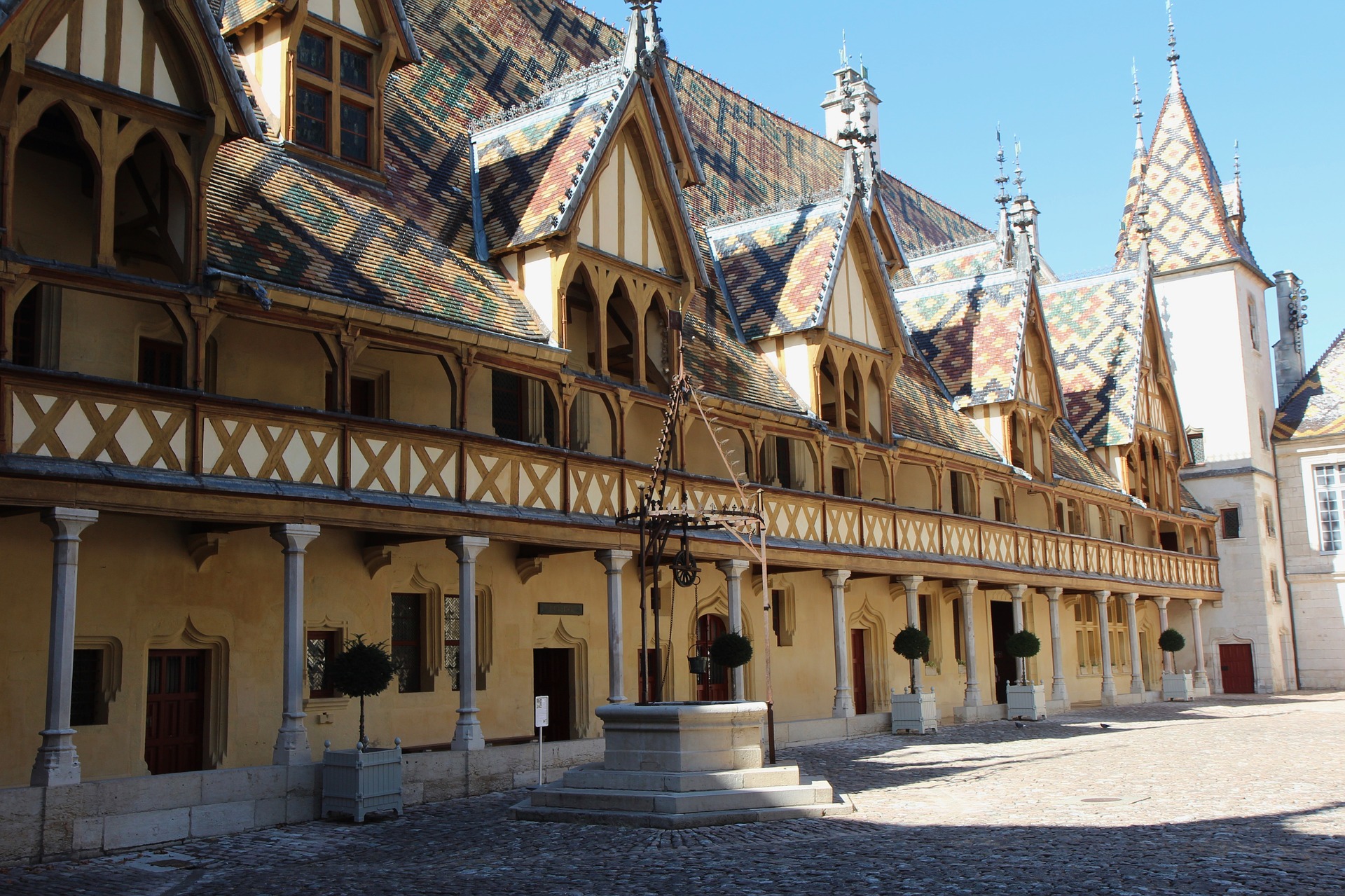
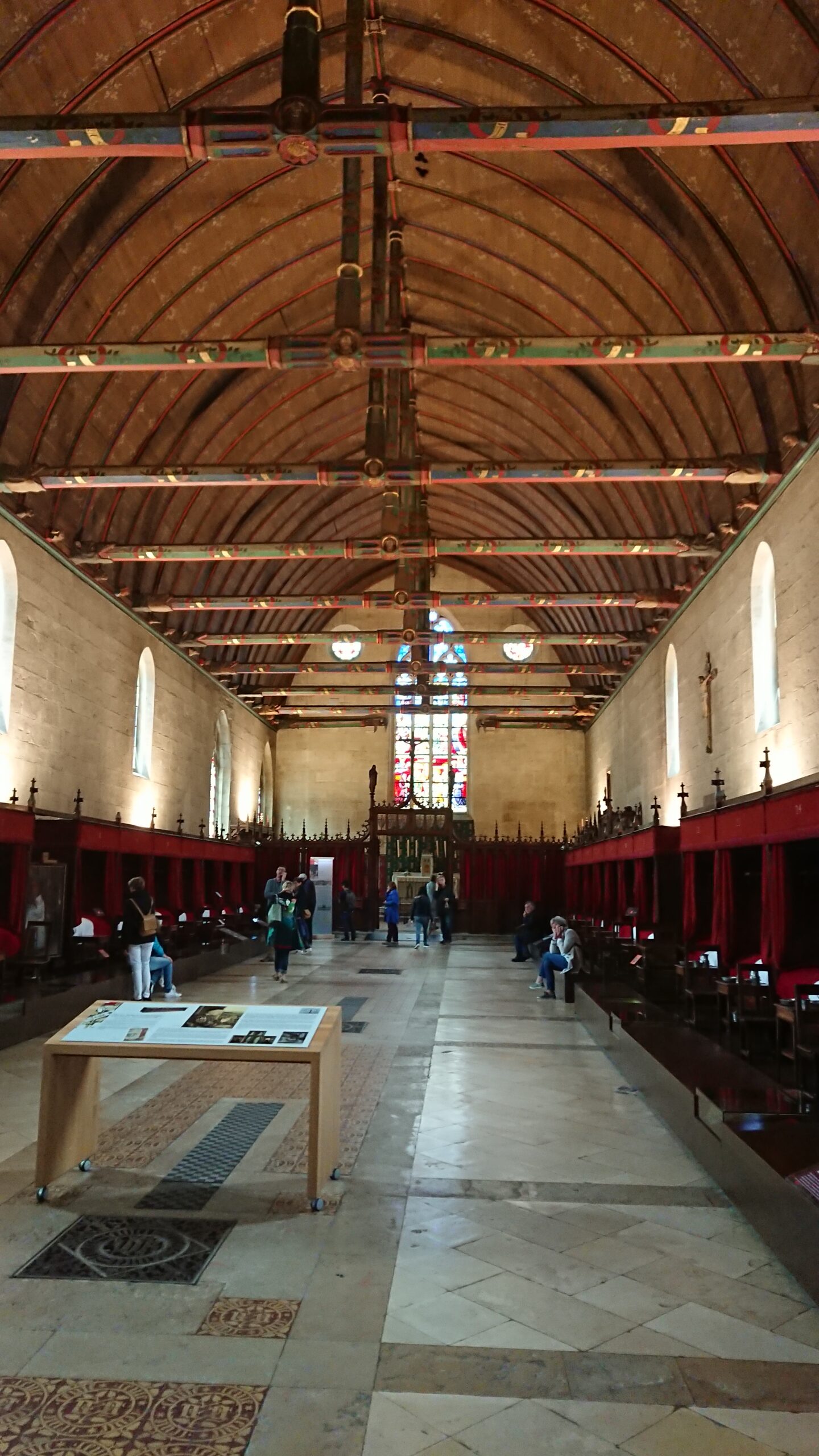
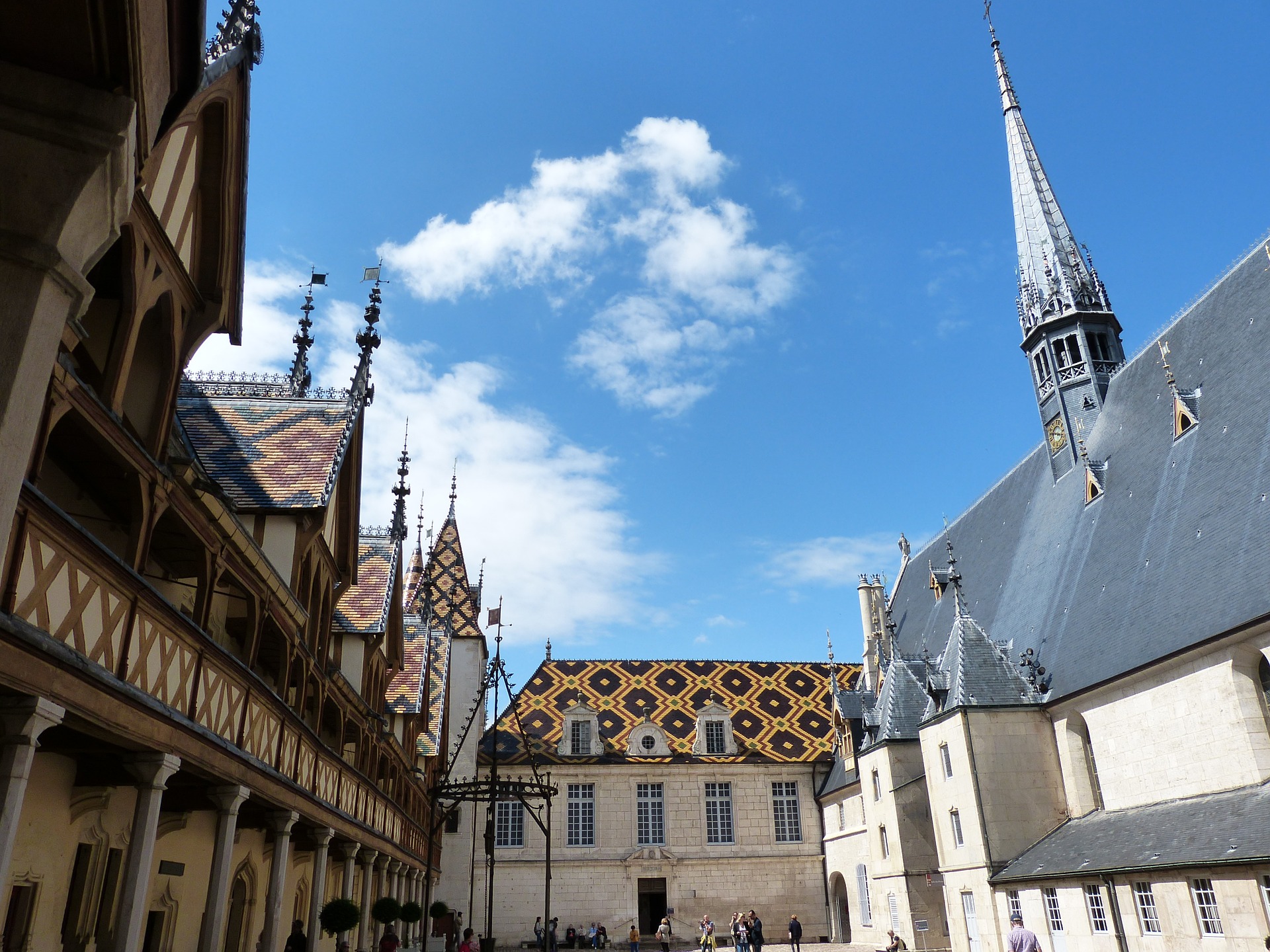
Office du tourisme de Beaune : ici
The Grands Crus route
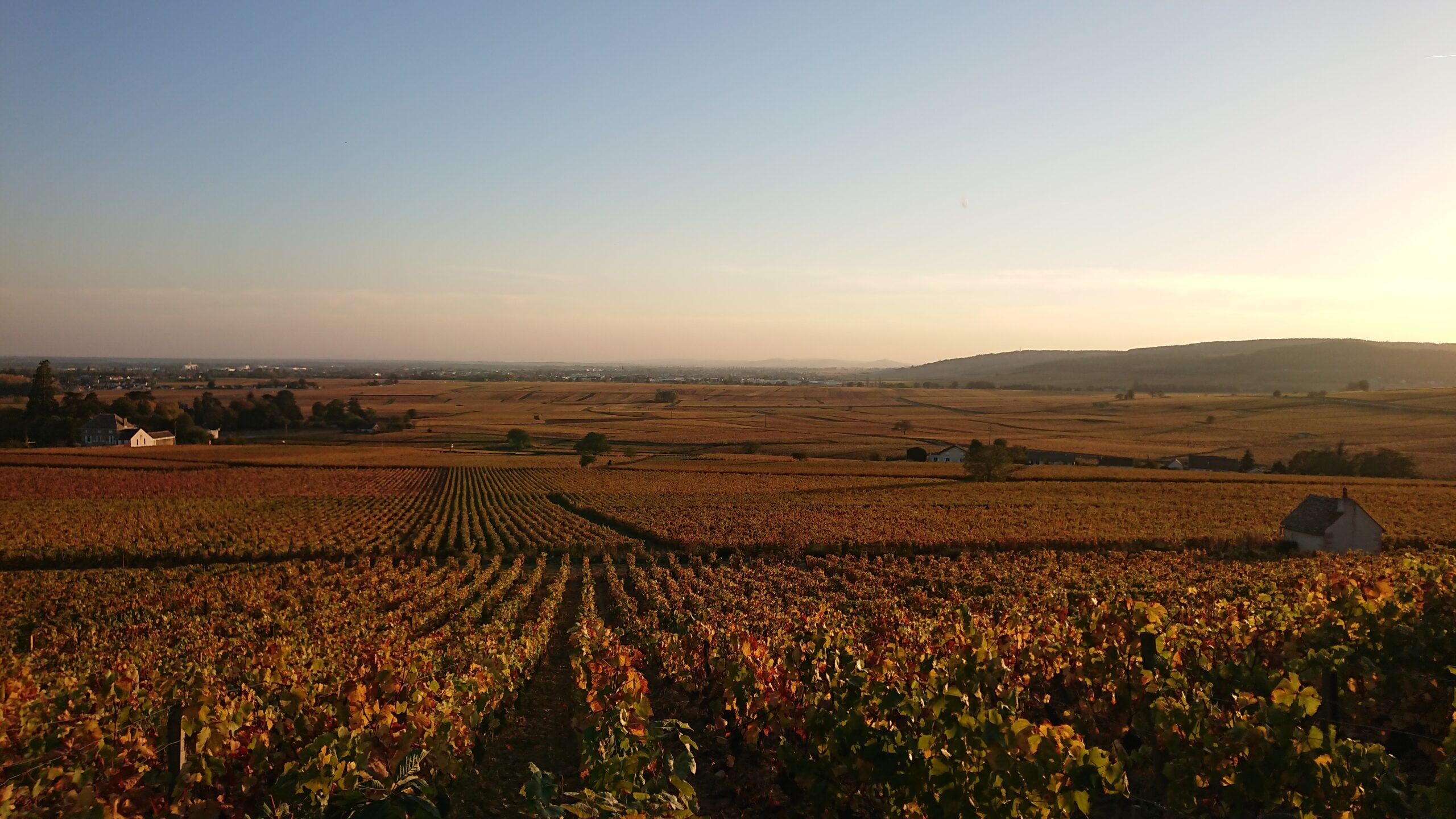
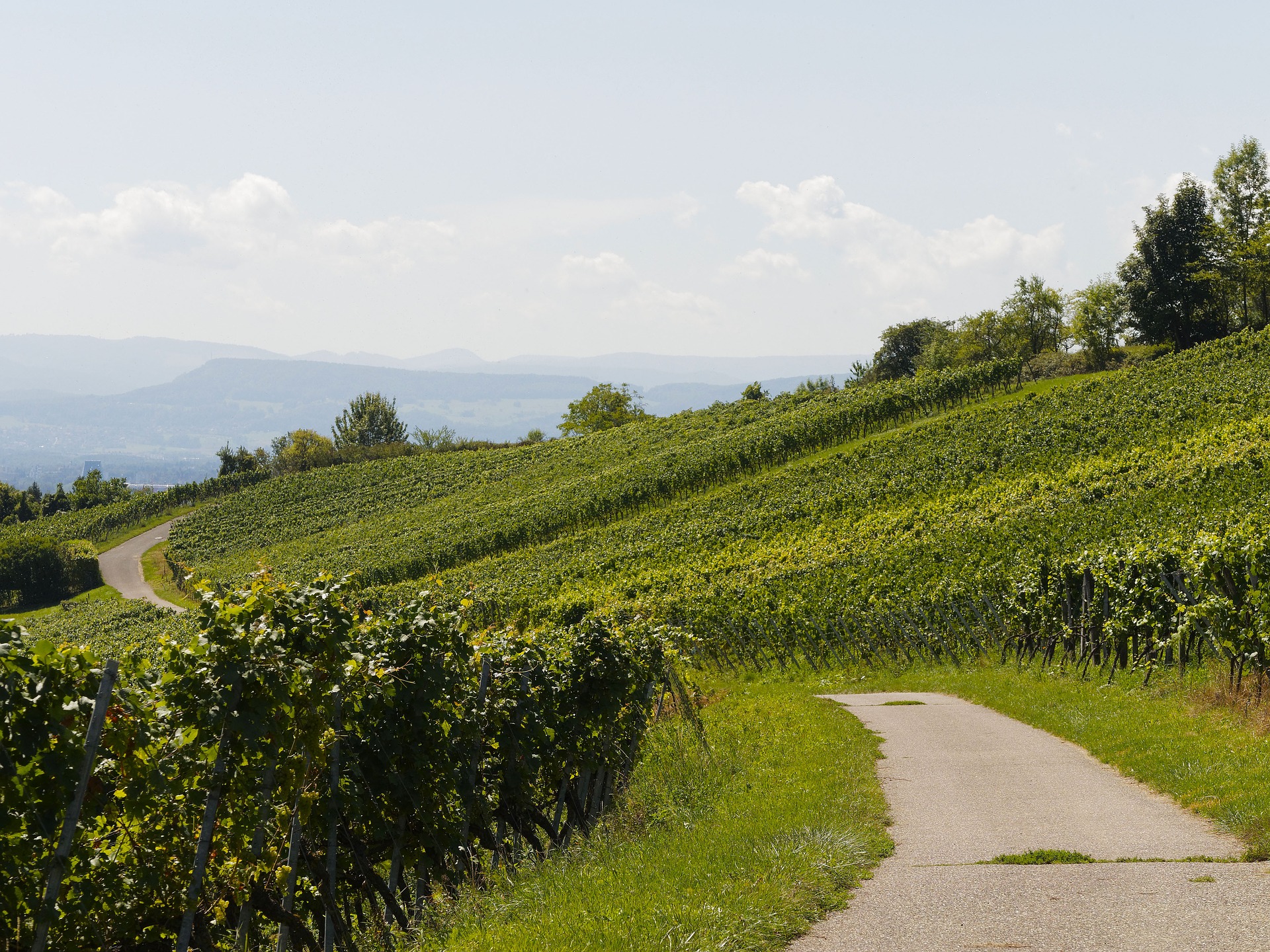
The Route des Grands Crus is a tourist route in France that crosses the most prestigious part of the Burgundy vineyard, thirty-eight picturesque wine villages of the Côte de Nuits and Côte de Beaune , between Dijon and Santenay , over a length of 60 kilometers.
The entire Côte-d’Or vineyard covers 9,445 hectares. The main productions are pinot noir for red wines, chardonnay for white wines and aligoté for aligoté white wine. The different vineyards are:
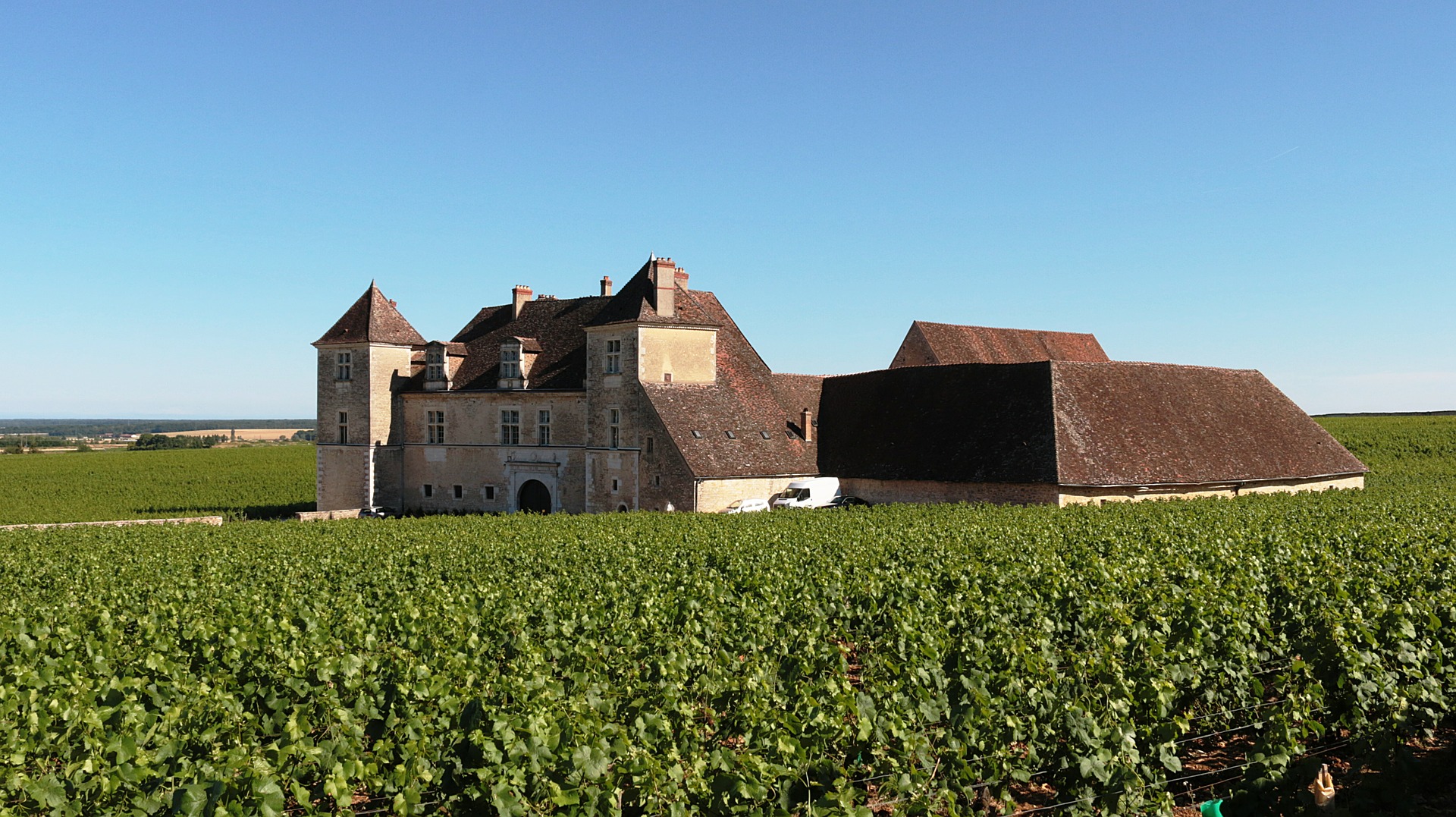
The Côte de Nuits, a famous vineyard located on a narrow strip of land stretching from Dijon to Corgoloin , is renowned for its great red wines such as Chambertin, Clos de Vougeot , Romanée-Conti, Musigny and many others. The famous Chateau du Clos de Vougeot (XII th and XVI th centuries), work for Cistercian monks, is home to the Brotherhood of the Chevaliers du Tastevin. In Chenôve , two screw presses of the Dukes of Burgundy can be visited.
The Côte de Beaune , a renowned vineyard located between Ladoix-Serrigny and the Coteau des Maranges, produces red wines such as Pommard , Volnay , Aloxe-Corton and white wines such as Corton, Meursault or even Montrachet. In Beaune, a wine museum exhibits the history of vines and wine
Located in the heart of the Grands Crus route, the Château du Clos de Vougeot is open to visitors all year round and welcomes lovers of history, architecture or wine… The receptions given in this unique setting are renowned for worldwide.
For a stopover in the vineyards:
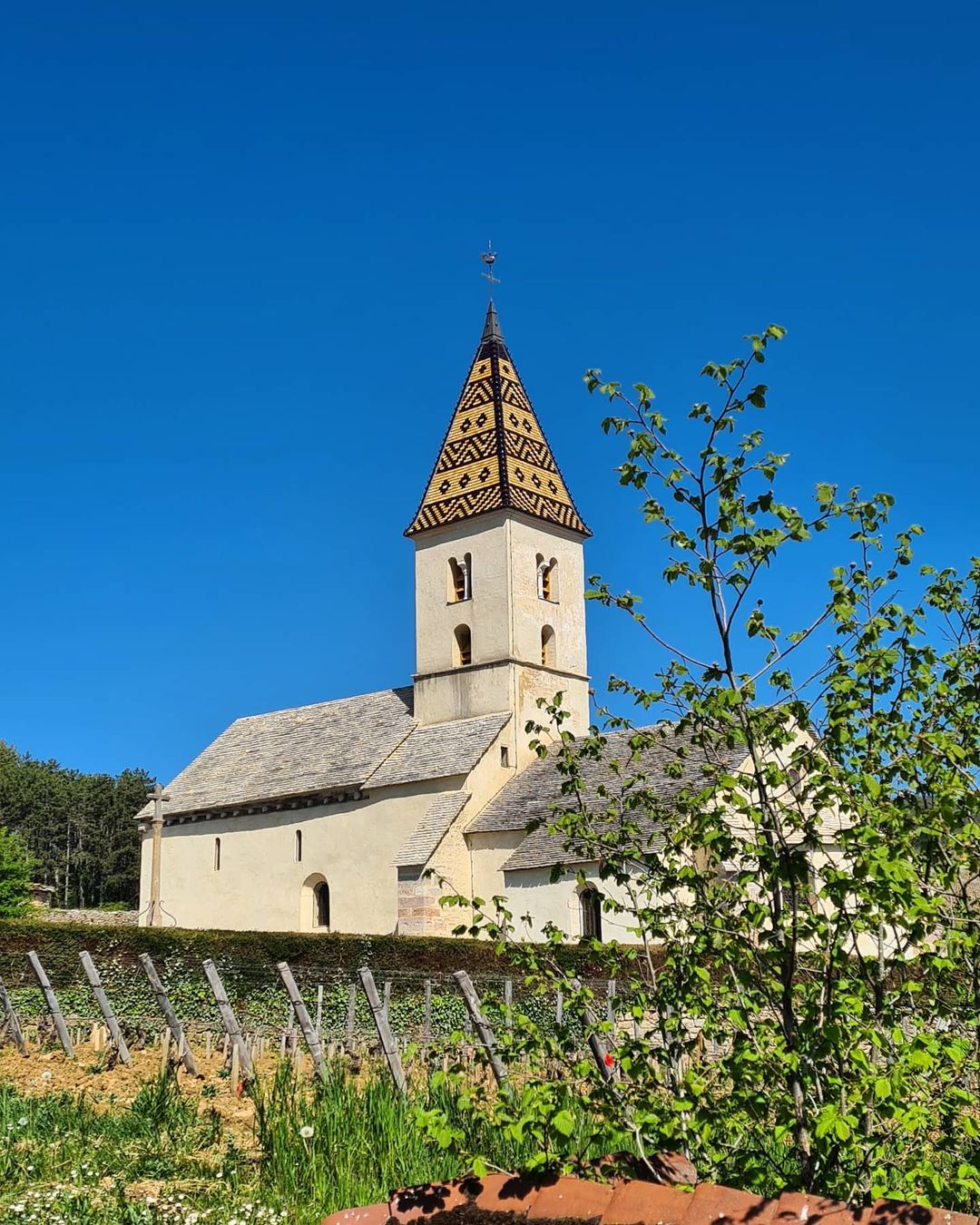
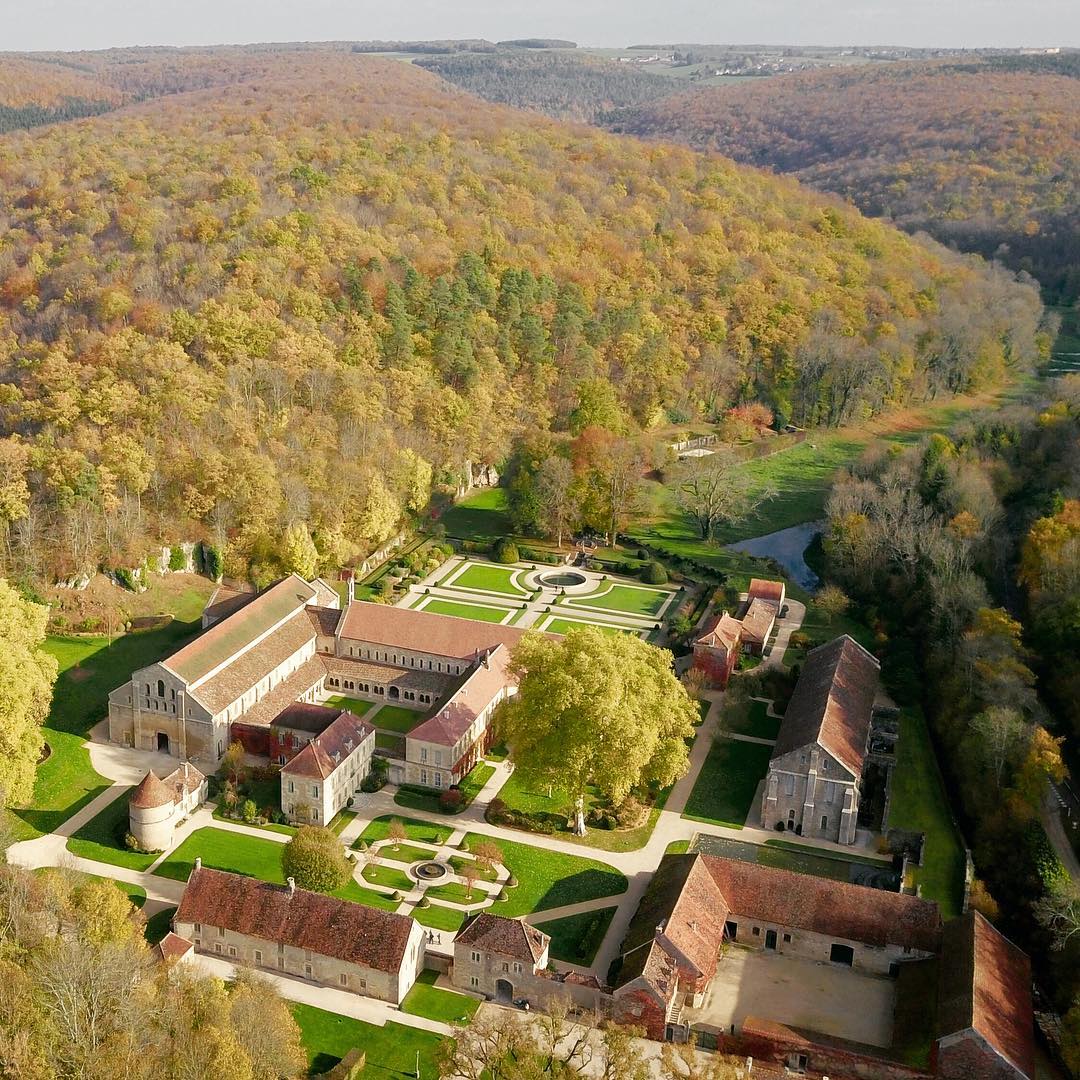
Tha Abbey of Fontenay
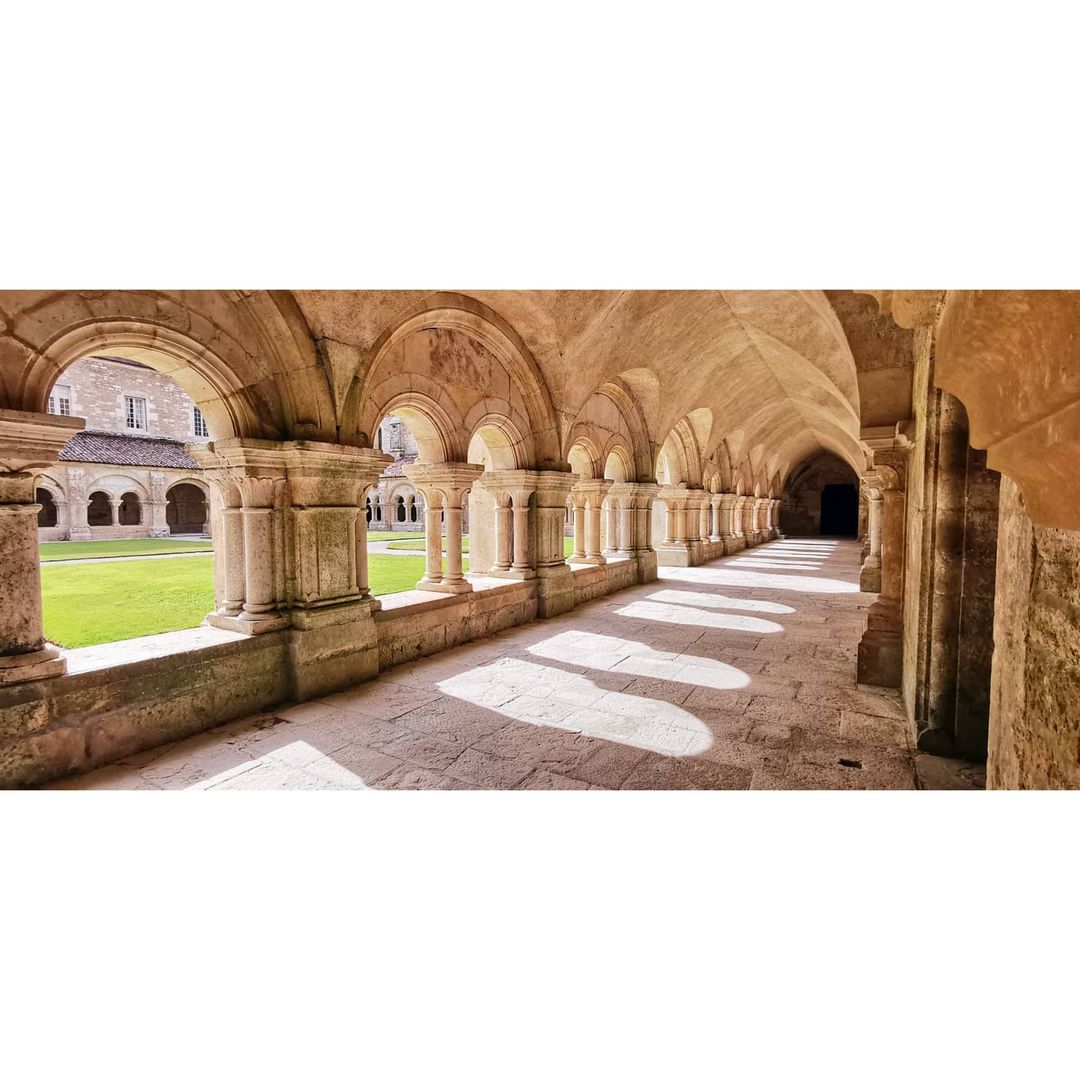
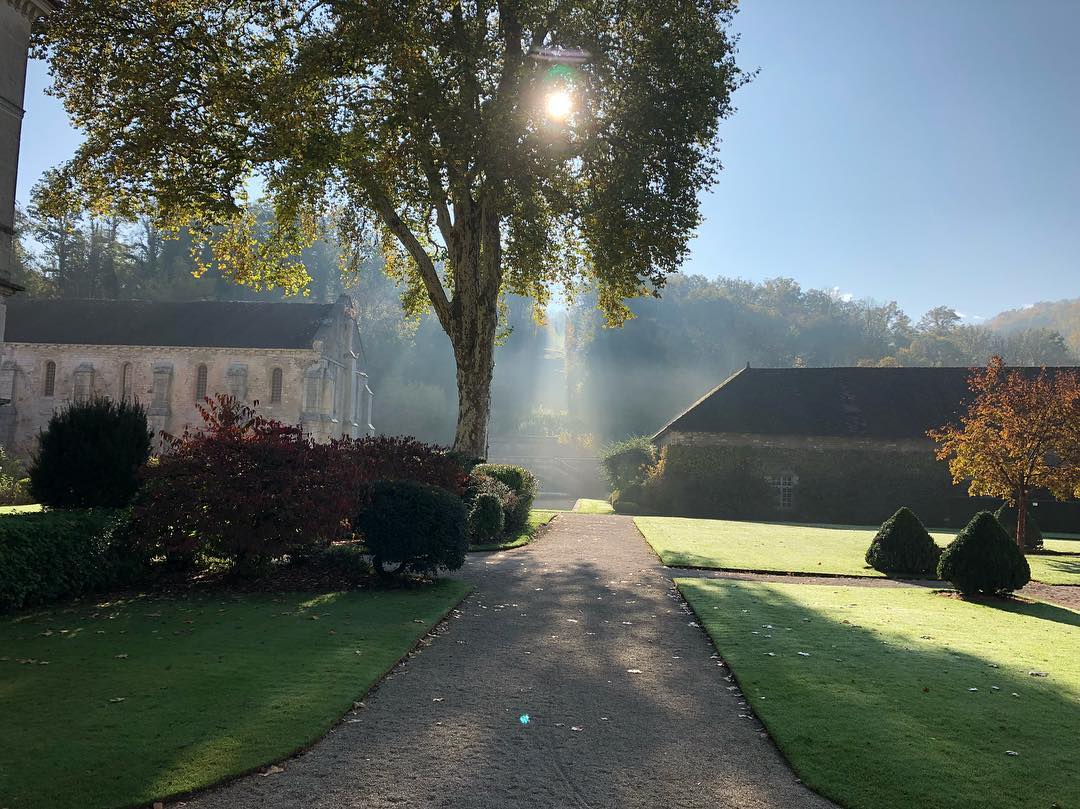
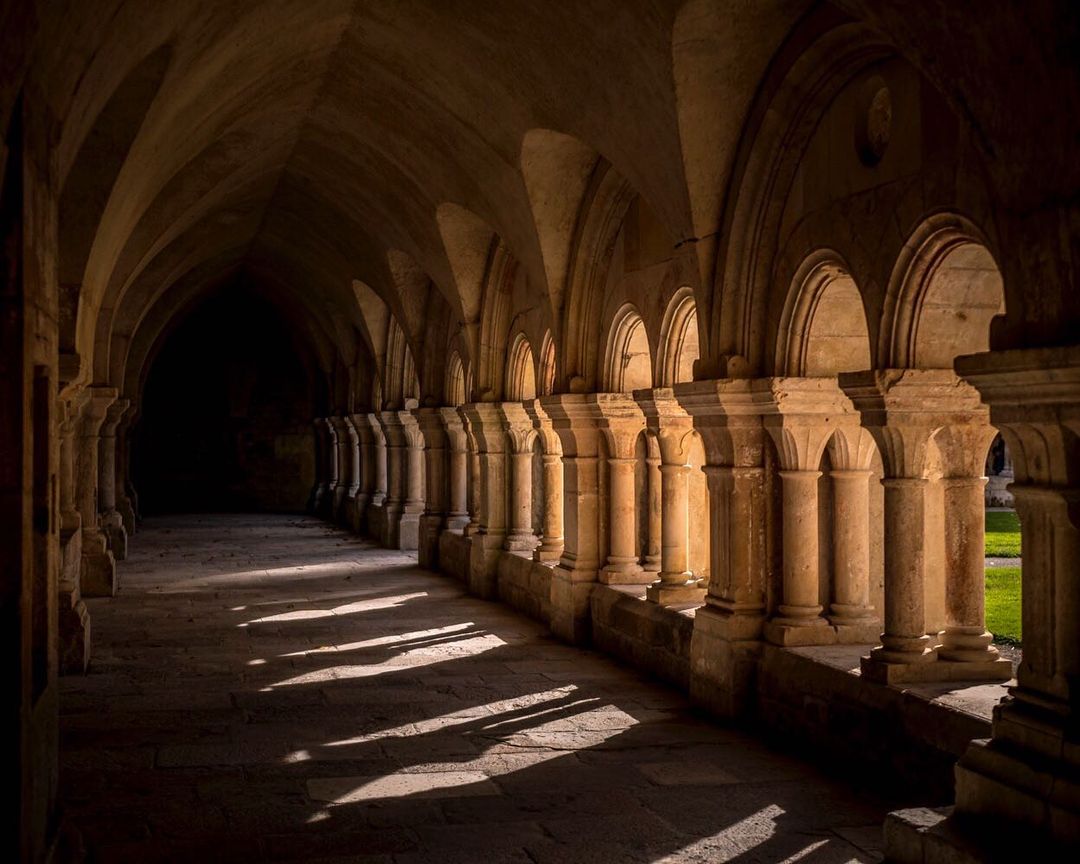
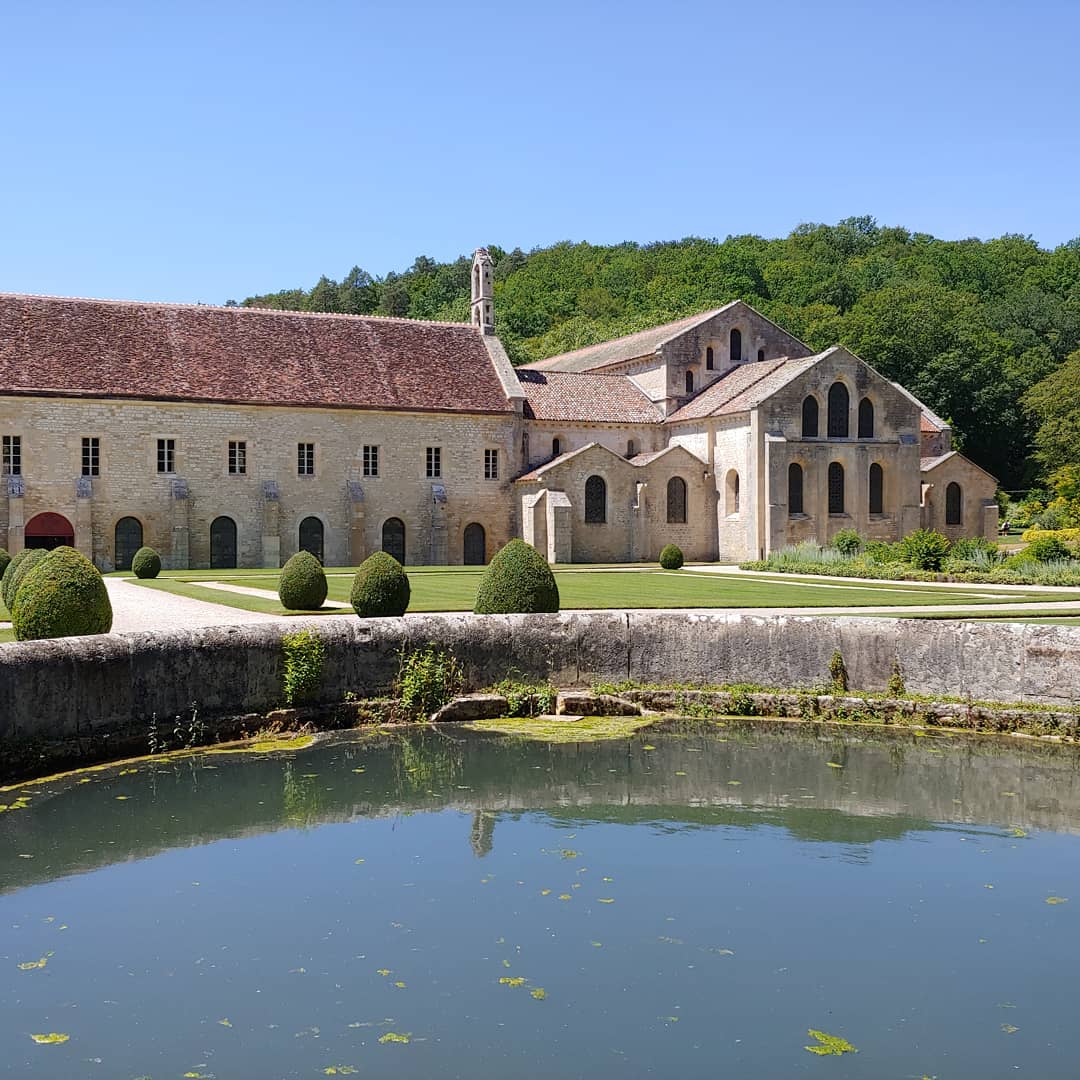
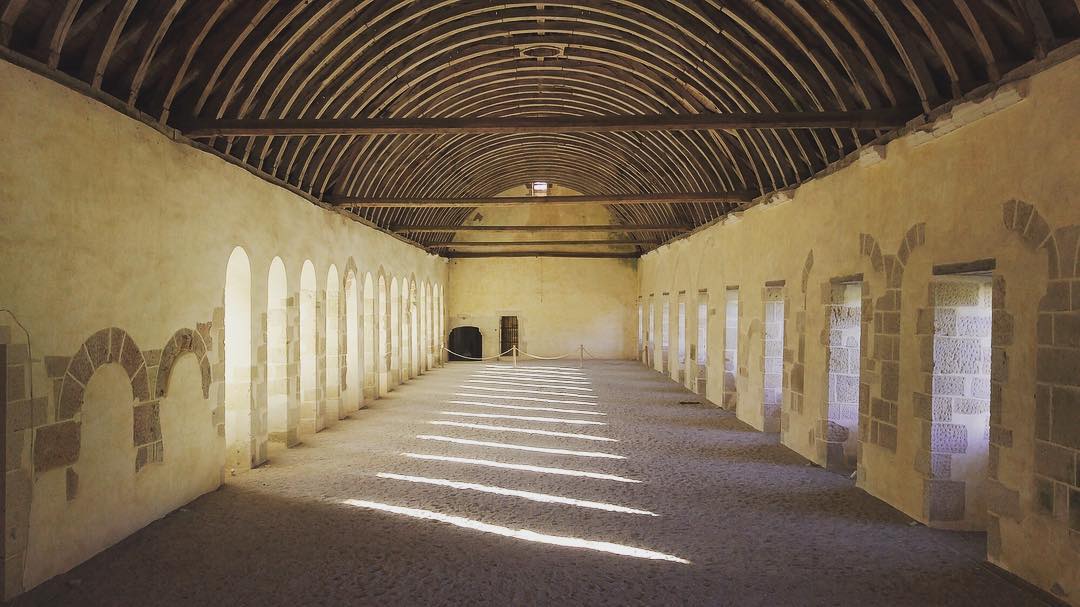
The abbey is privately owned, and open to tours – it receives around 100,000 visitors each year. Nestled in the heart of Burgundy , in the middle of a preserved green setting, this magnificent Cistercian abbey founded by Saint Bernard in 1118 is now a UNESCO World Heritage Site. Superbly well preserved by its owner, Mr. Aynard. The whole constitutes a masterpiece of Romanesque art. The abbey church, the cloister, the chapter house, the monks’ dormitory or even the forge are all testimonies of Cistercian architecture that you will be able to admire during the visit.
Its beautiful landscaped park, as peaceful as one could wish, is classified as a Remarkable Garden.
https://www.abbayedefontenay.com/
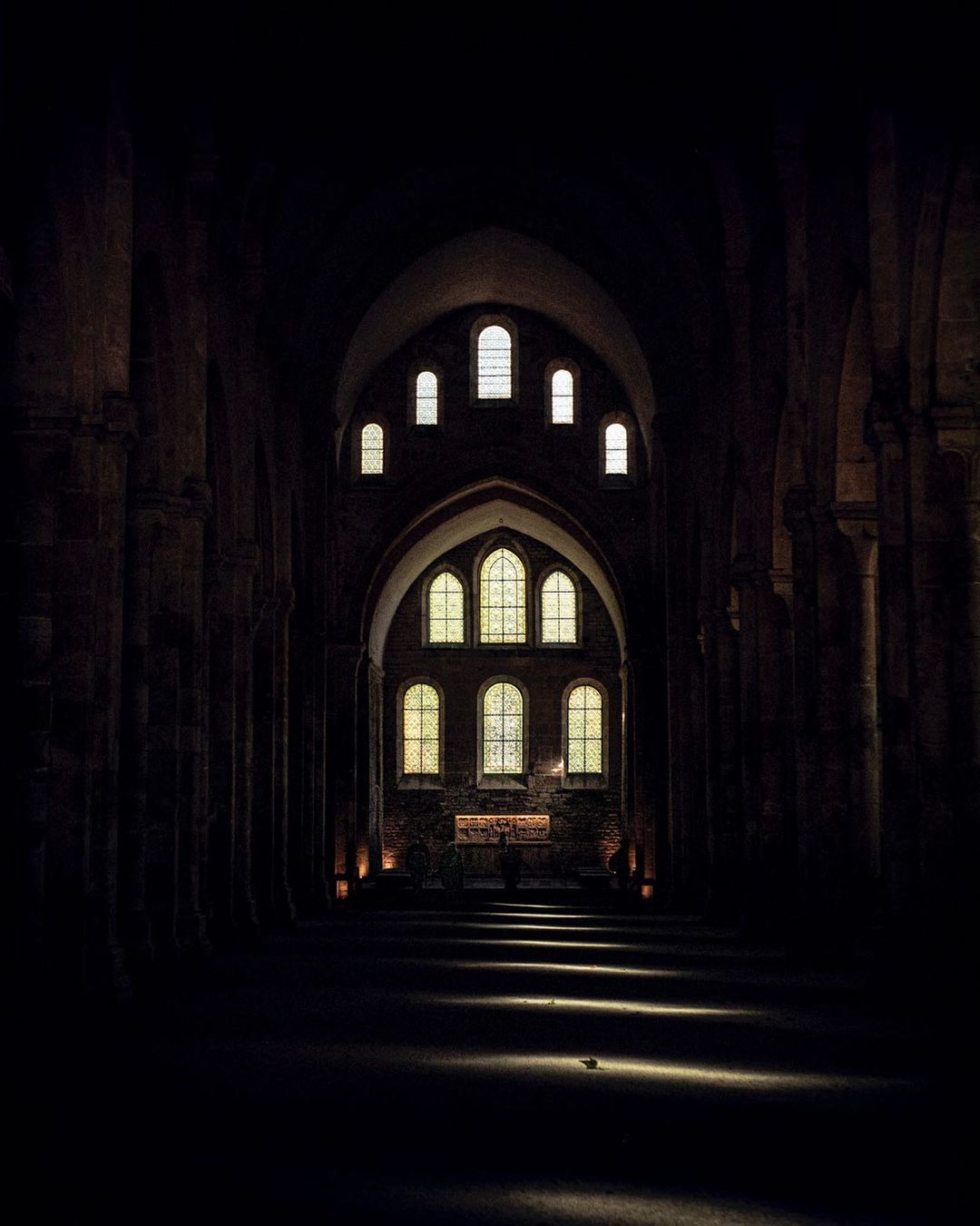
Semur-en-Auxois
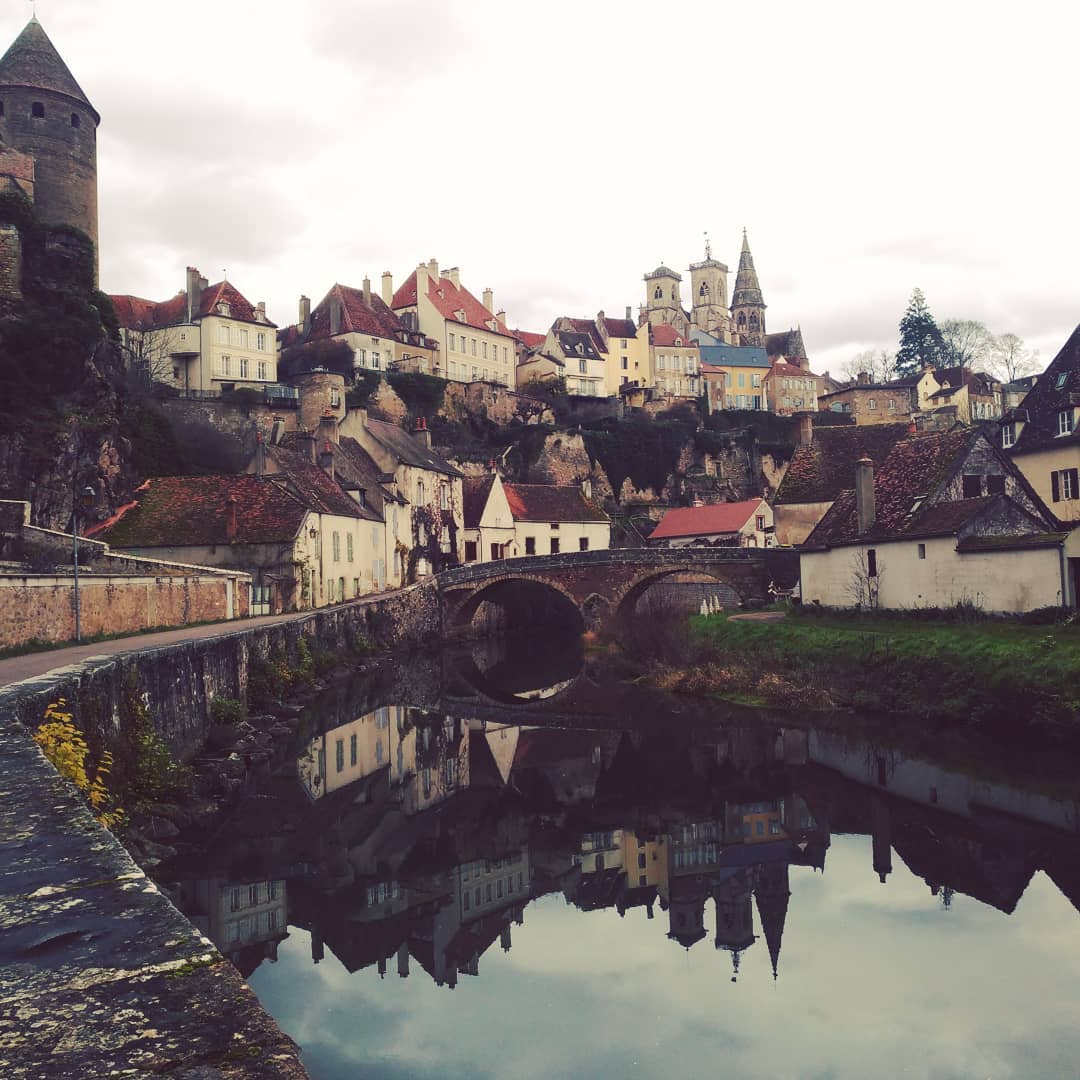
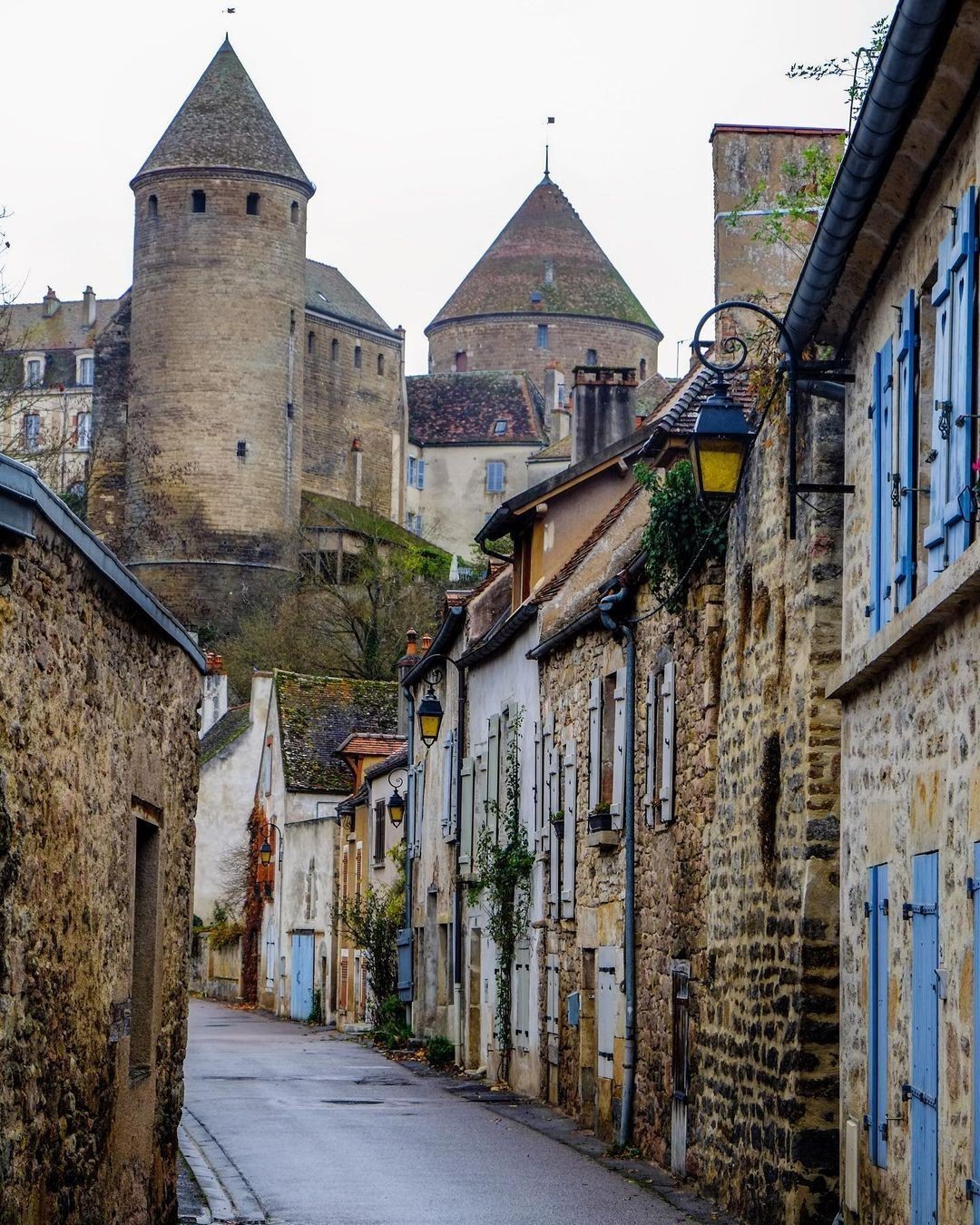
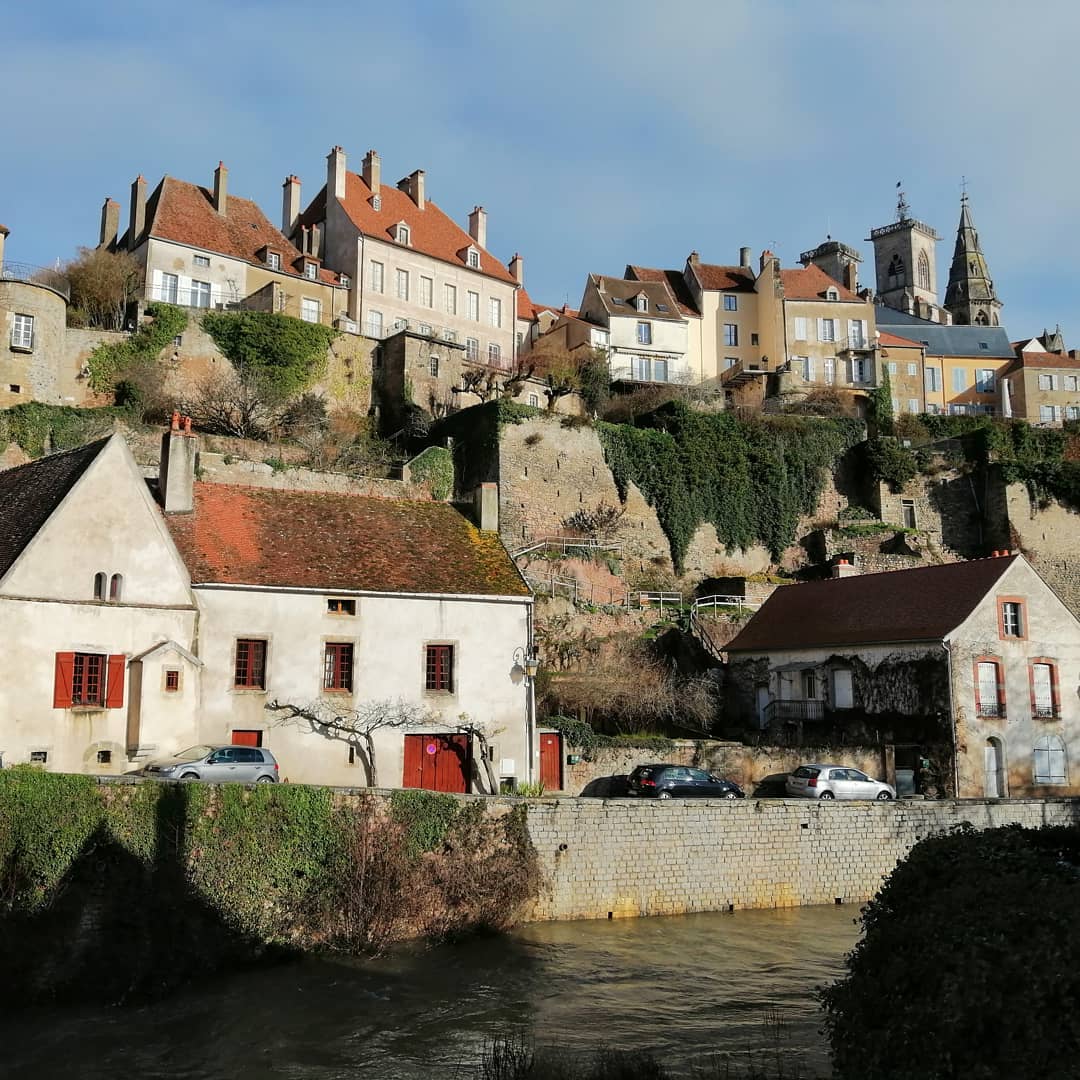
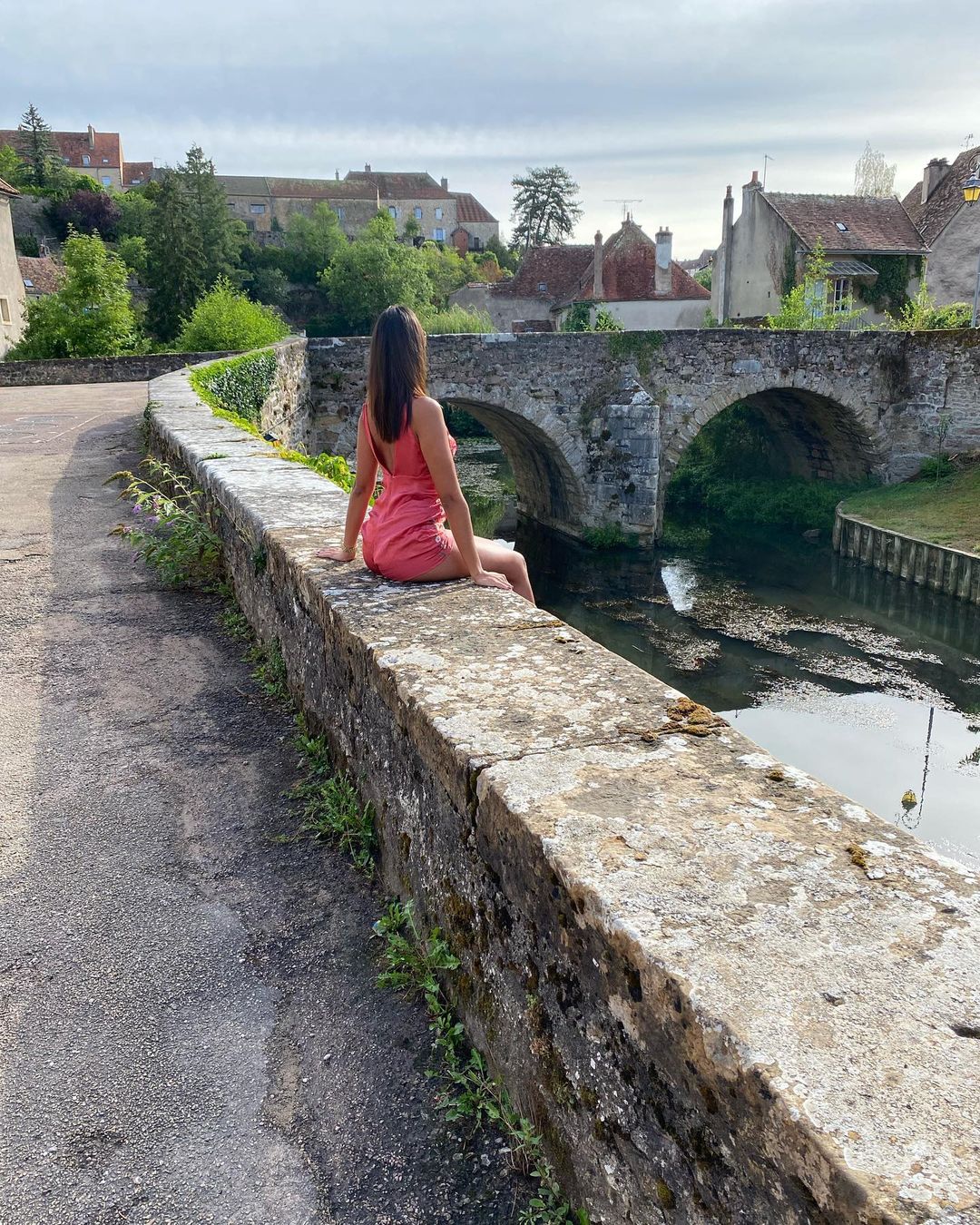
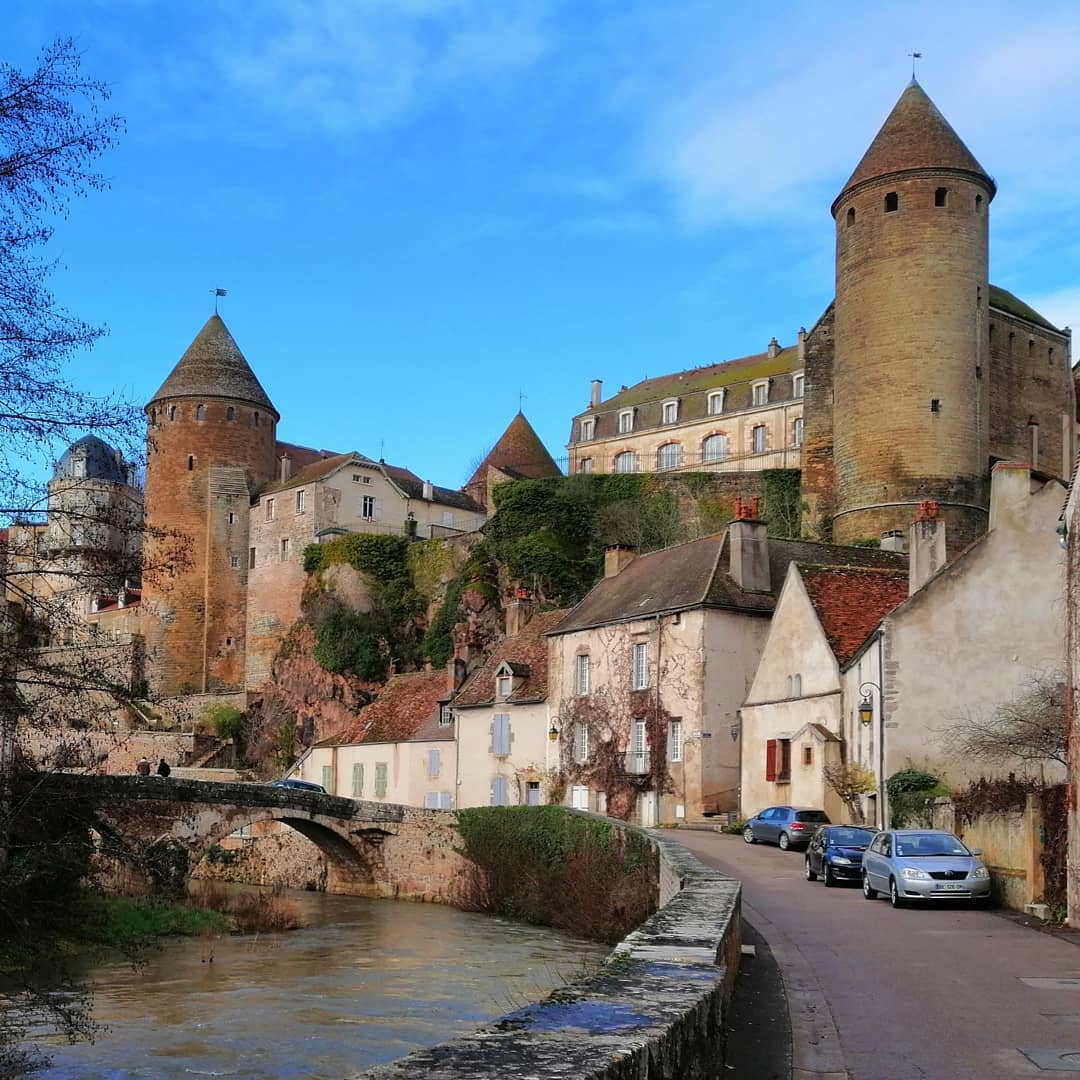
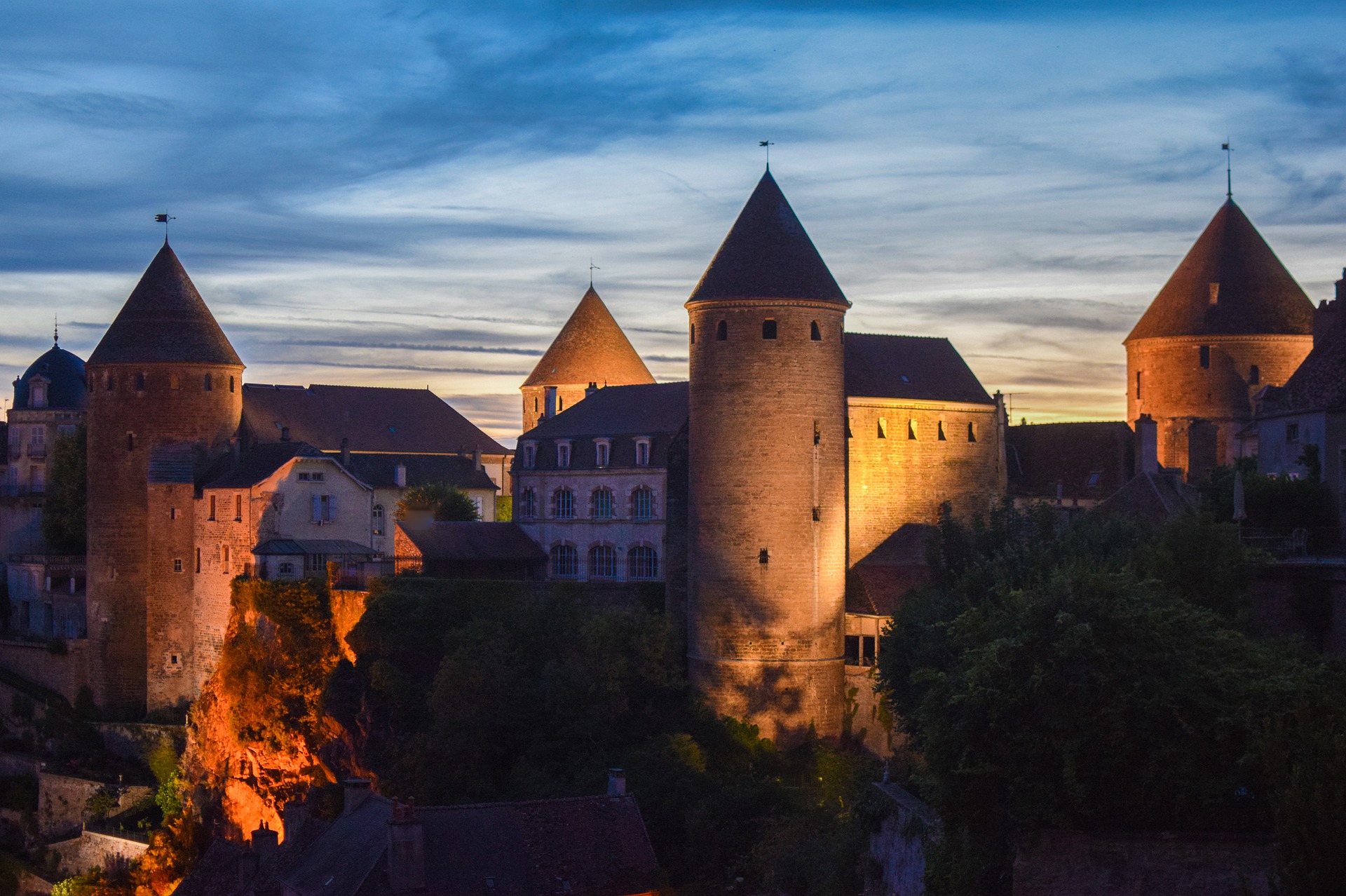
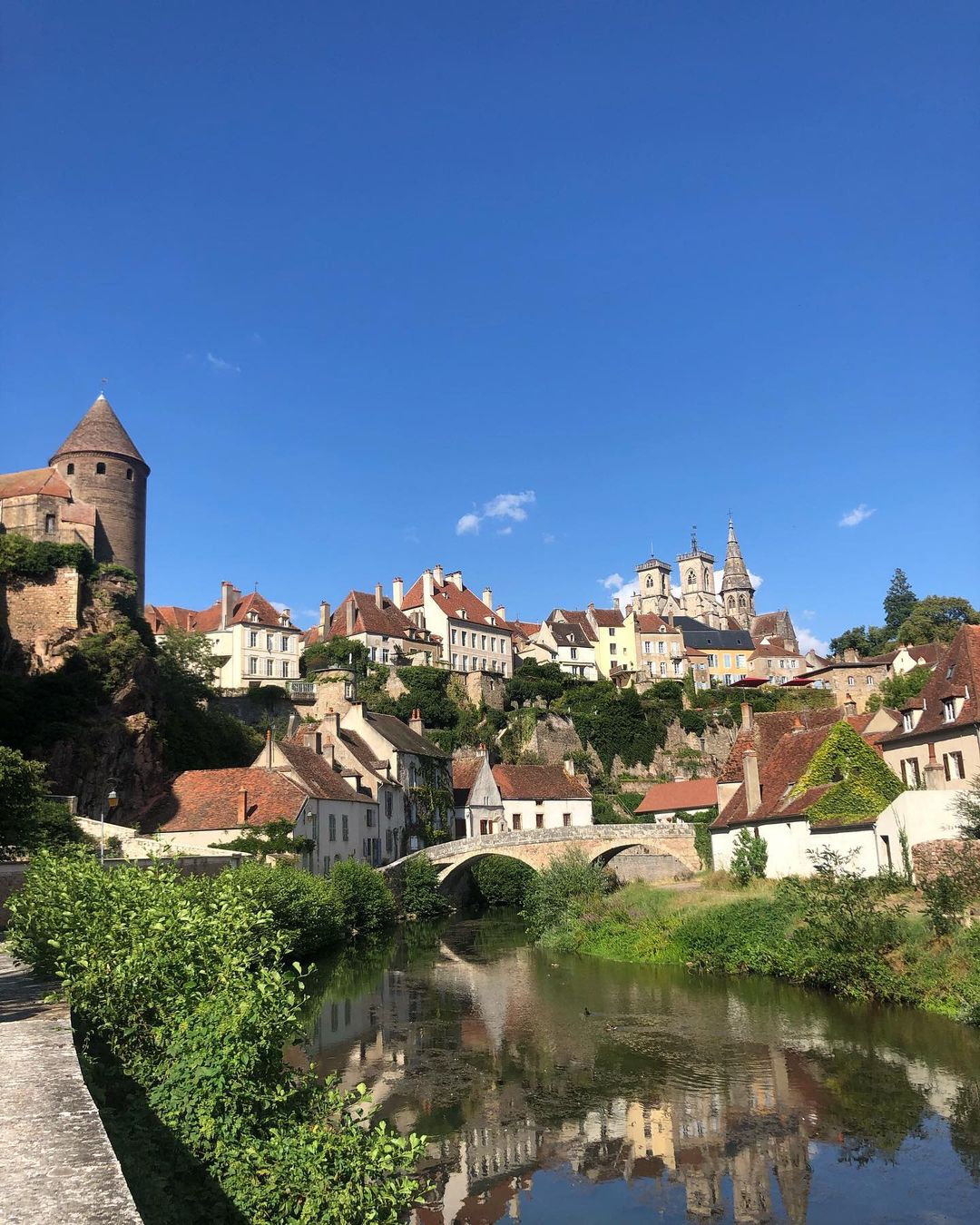
The beautiful medieval city with red roofs of Semur-en-Auxois stands on a plateau of pink granite, in the department of Côte-d’Or , between Montbard and Saulieu . Rich in its heritage and its history, the city has a protected area particularly suitable for walking.
The keep with four towers, the most imposing of which, the Orle d’Or tower, 44 meters high, can be visited on 5 levels including a museum, a library, a technological collection and a conference room.
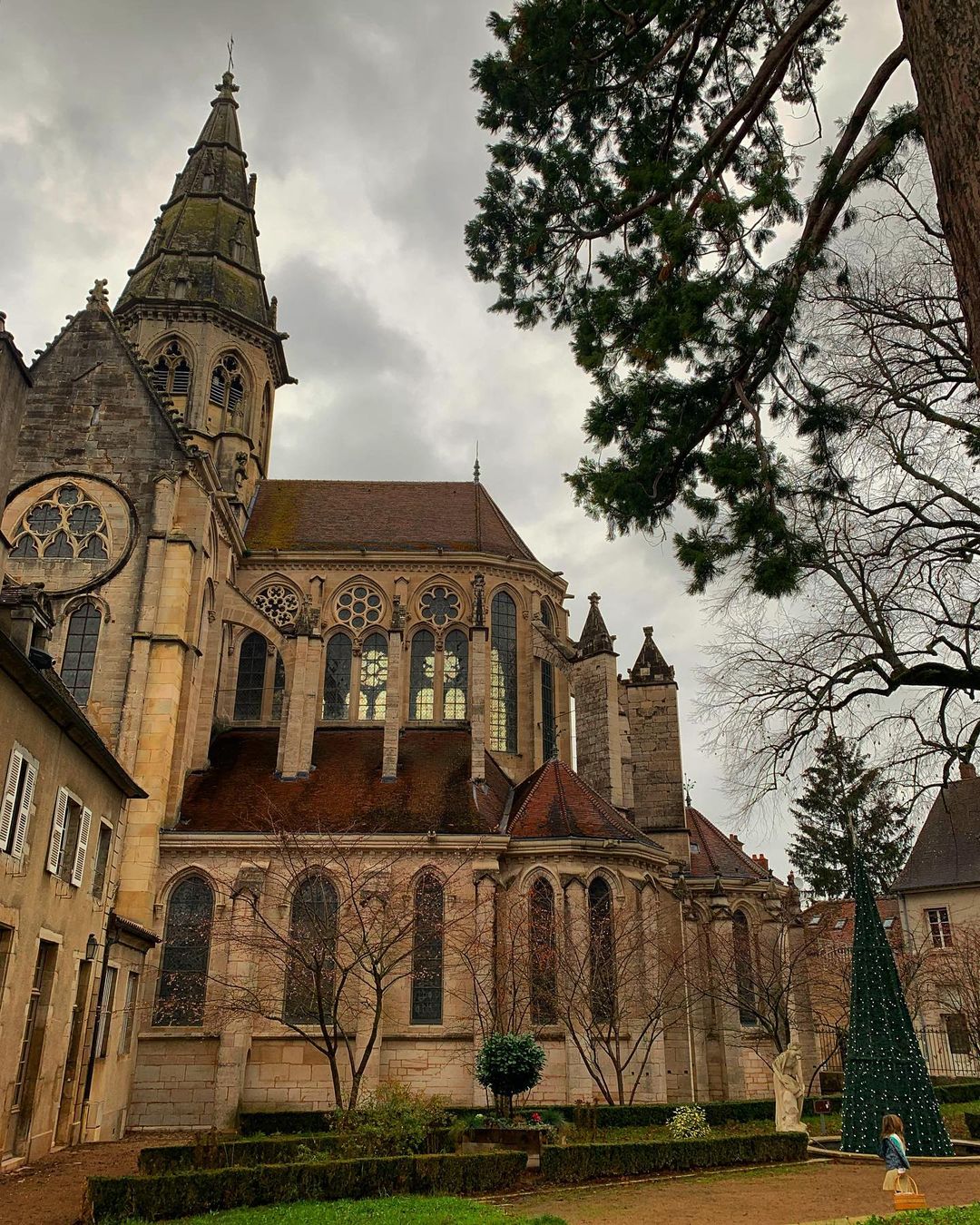
The Collegiate Notre Dame , built in the 13th and 14th centuries, and restored by Viollet-le-Duc in the 19th . Decorated with small amazing gargoyles, this jewel of Gothic Burgundian houses a painted altarpiece of the 16th century depicting the Tree of Jesse, beautiful stained glass windows depicting ancient guilds butchers and clothiers, a Focus polychrome tomb 15th century, as well as large organs from the 18th century.
Located in the former convent of Jacobin of the 17th century, the Municipal Museum of Semur-en-Auxois houses archaeological, geological, natural history and fine arts.
Also to be discovered, the pleasant promenade of the ramparts which dominates the valley of Armançon, as well as the Joly bridge and the Pinard bridge, from where you will have a very beautiful view on the medieval city.
The tourist office: here
Alise-Sainte-Reine : le site d'Alésia
In 52 BC, the Gaul leader Vercingétorix led his last battle against Julius Caesar on the site of Alise-Sainte-Reine , in Burgundy . After having led the revolt of the Gallic tribes against the Roman occupier, the courageous chief of Arvernes, who awaits reinforcements which will arrive too late, is defeated in Alésia.
Archaeological excavations on this site of the Côte-d’Or have made it possible to find the remains of a Gallo-Roman city which survived on the oppidum after the Gallic defeat: sanctuary, theater, forum… This foreground ancient site, of which only the foundations and buried structures of monuments and dwellings remain, is now part of the MuséoParc Alésia site which also includes an interpretation center dedicated to the headquarters of Alésia. The museum invites you on a fabulous journey through time: dynamic and interactive scenographic spaces, models, films, multimedia terminals, educational workshops and games library have something for young and old alike. From the green terrace equipped with orientation tables, visitors can also enjoy a remarkable panorama of the headquarters site.
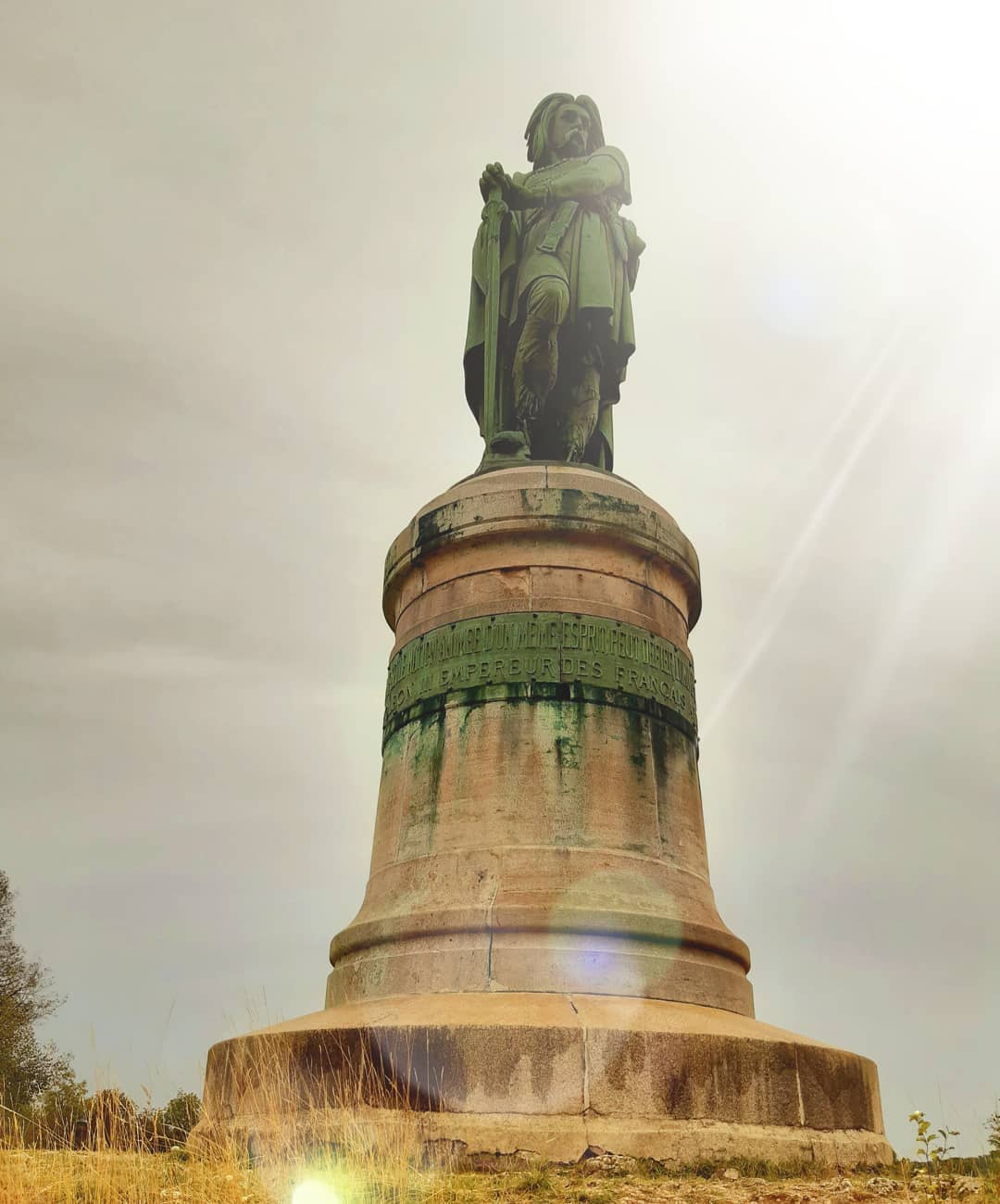
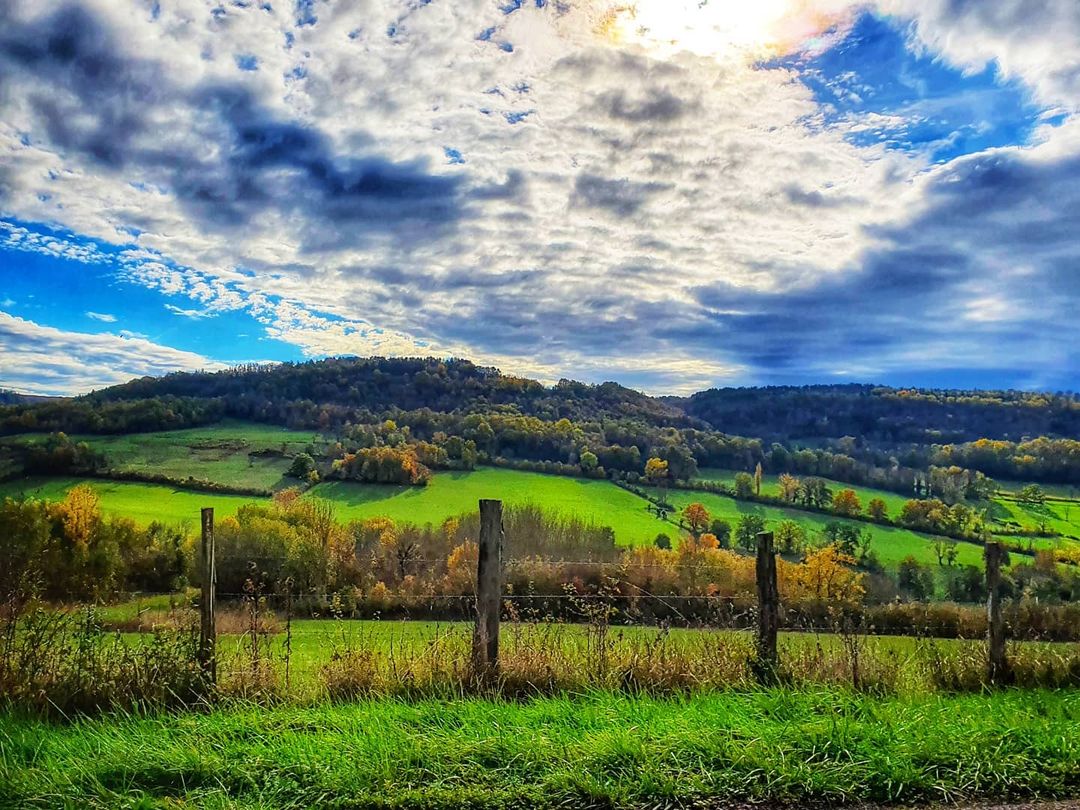
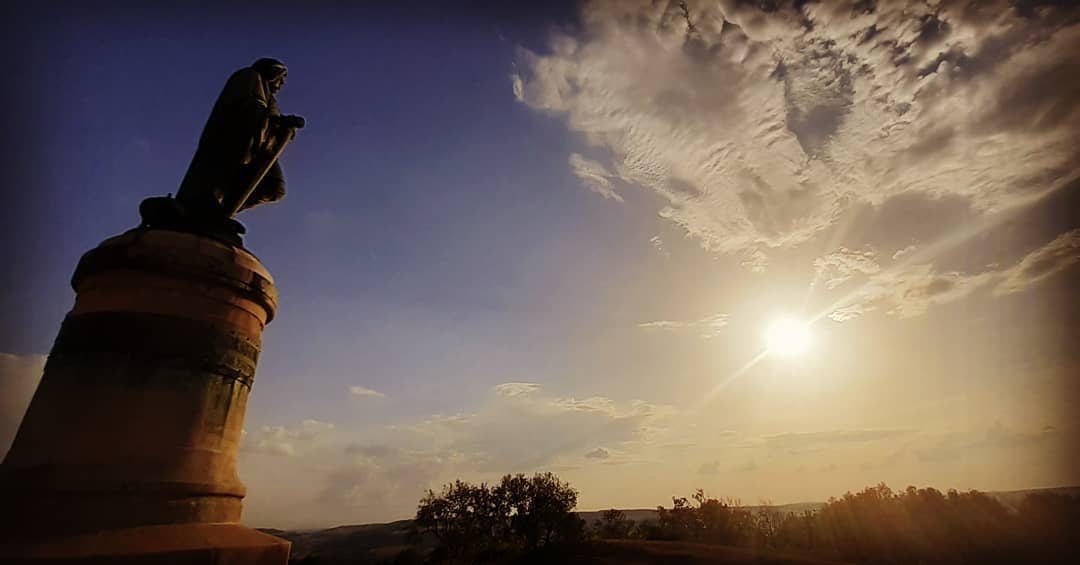
2 kilometers from the interpretation center, not far from the remains of the Gallo-Roman city, a gigantic statue of Vercingétorix, the work of sculptor Aimé Millet, sits atop Mont Auxois. From there, very nice view of the surrounding landscape!
Flavigny-sur-Ozerain
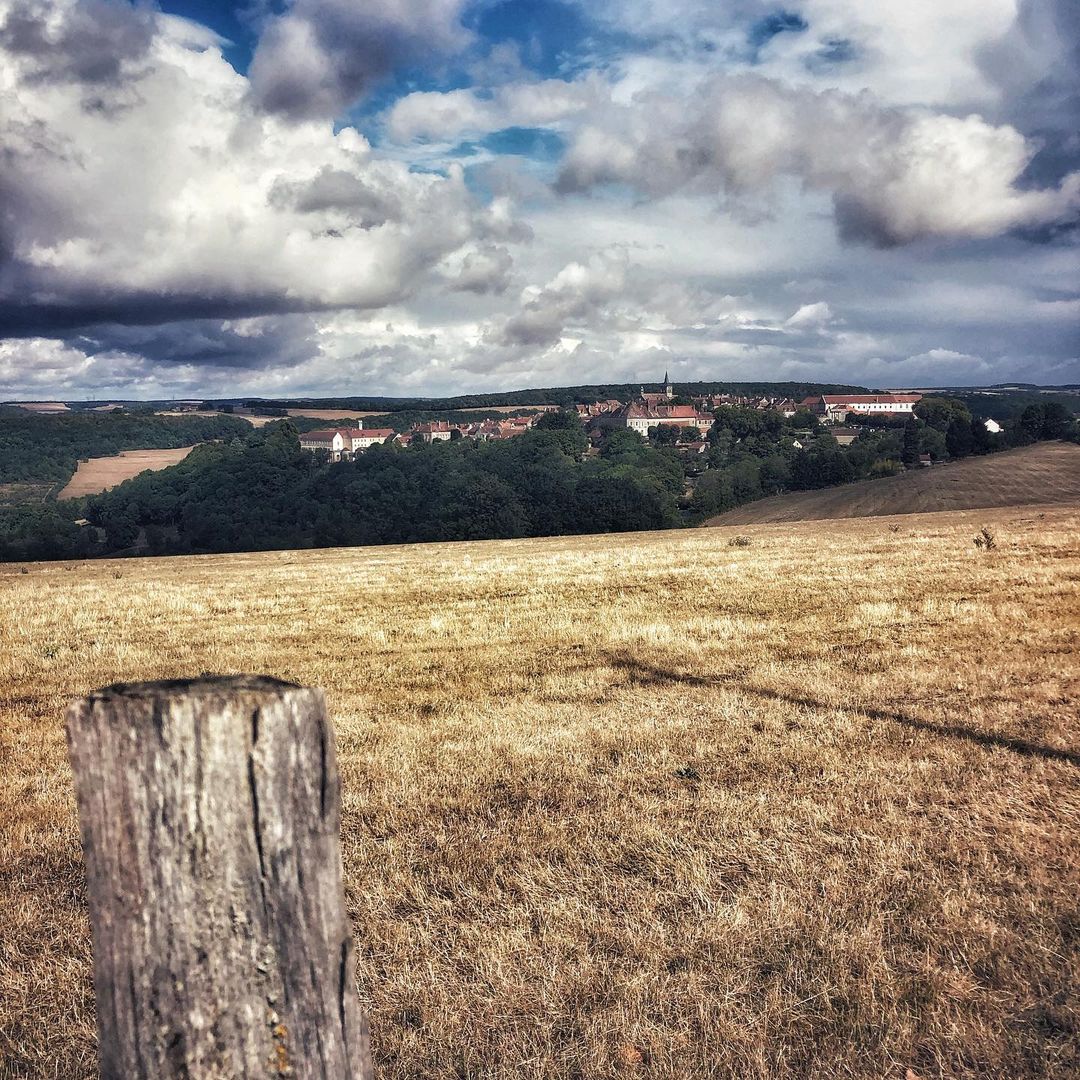
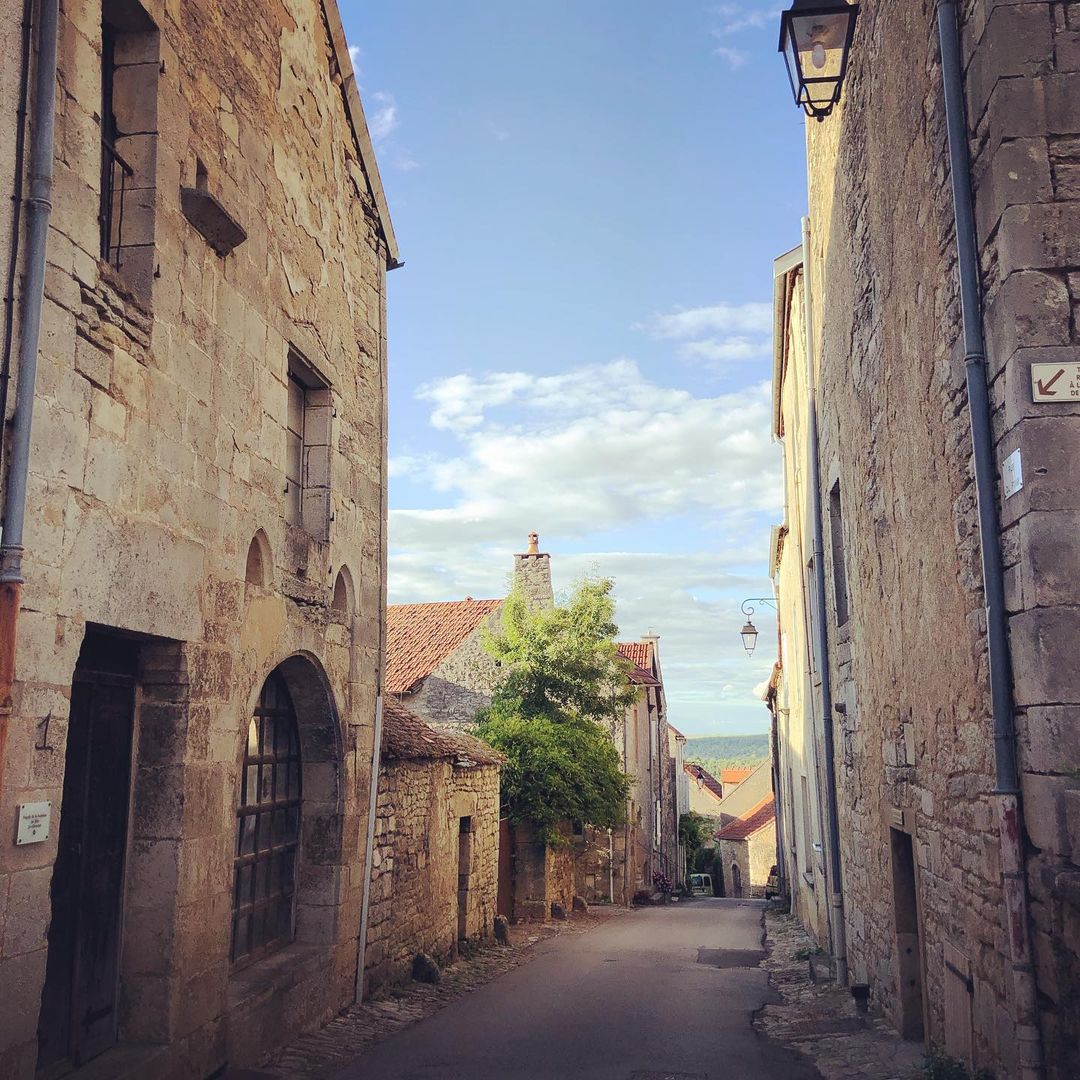
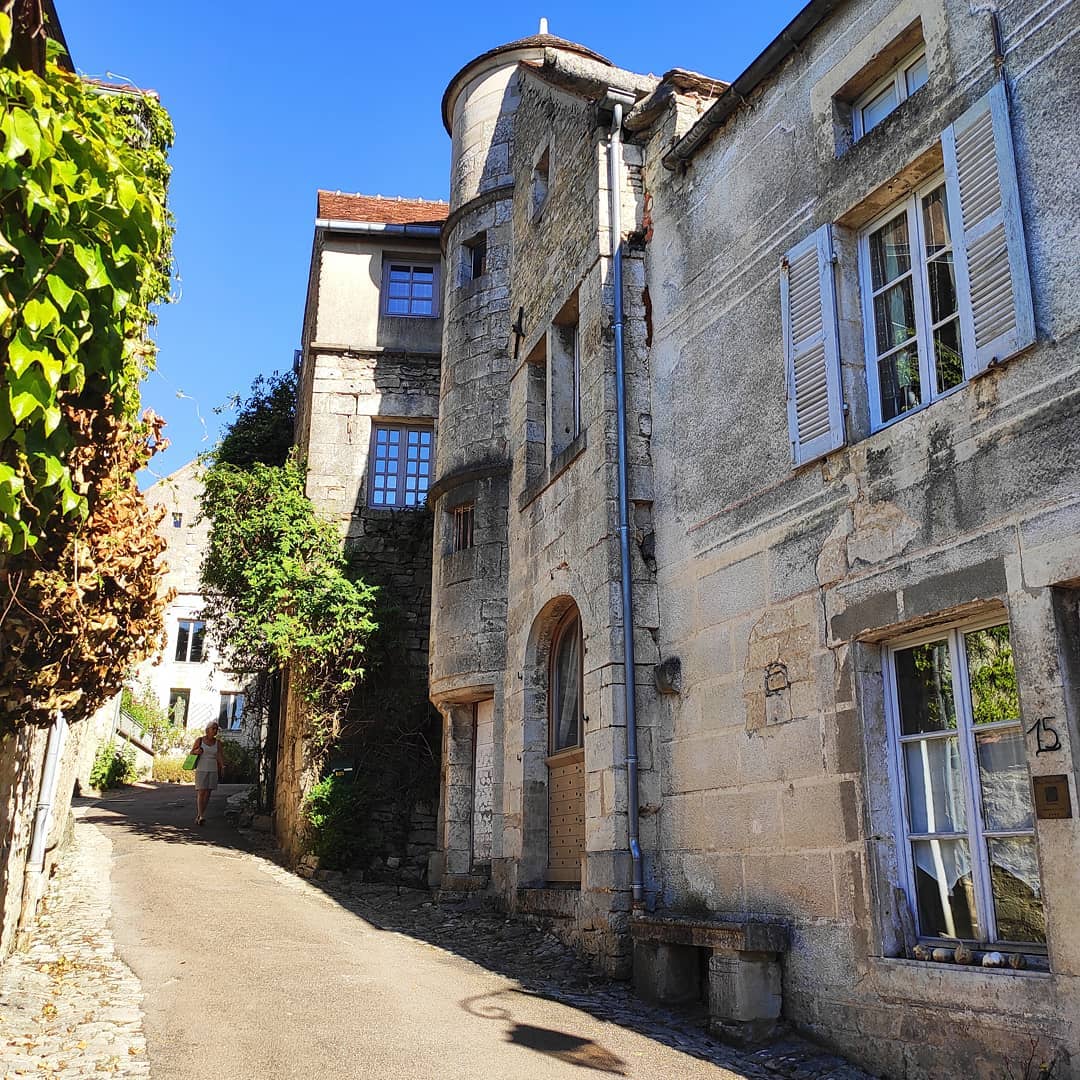
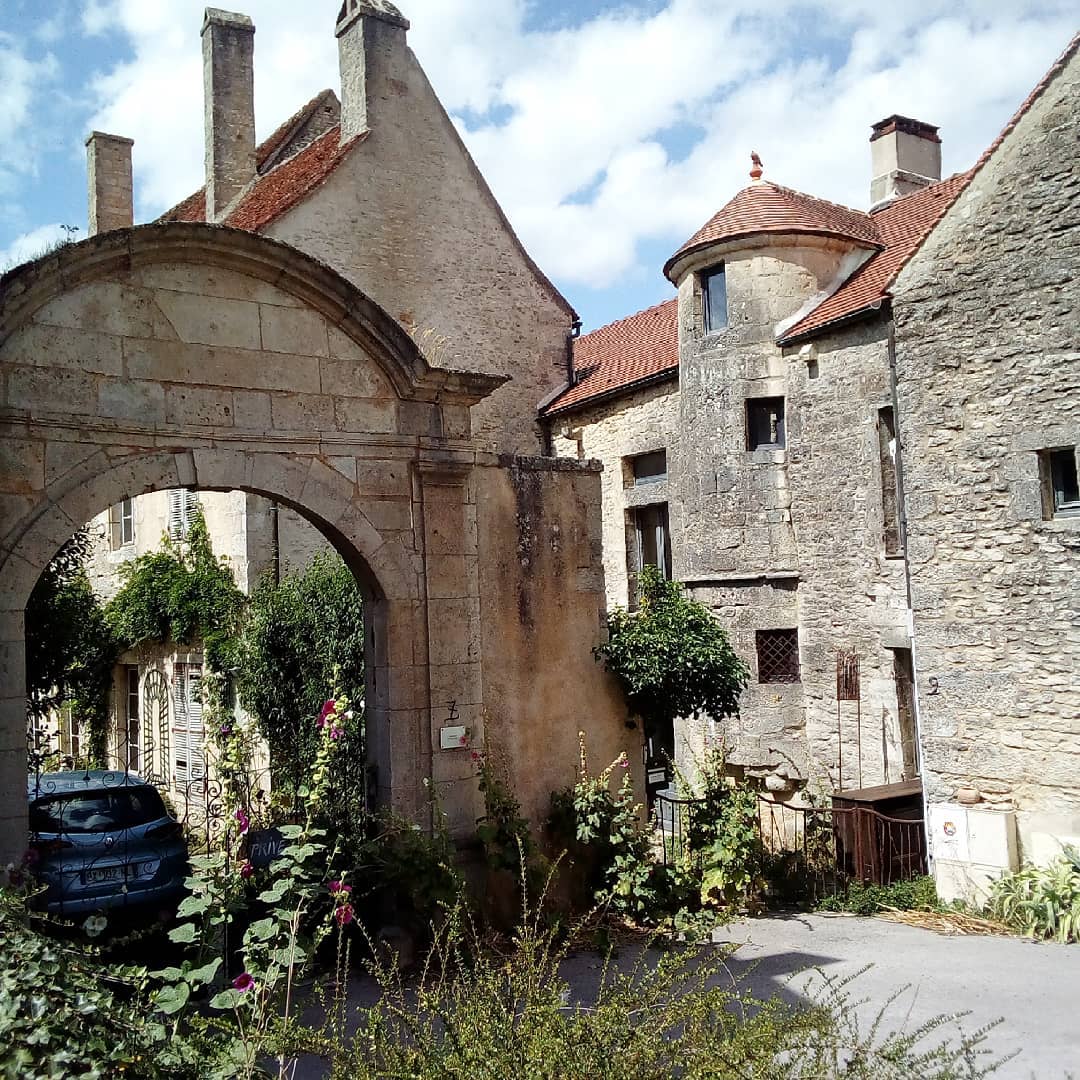
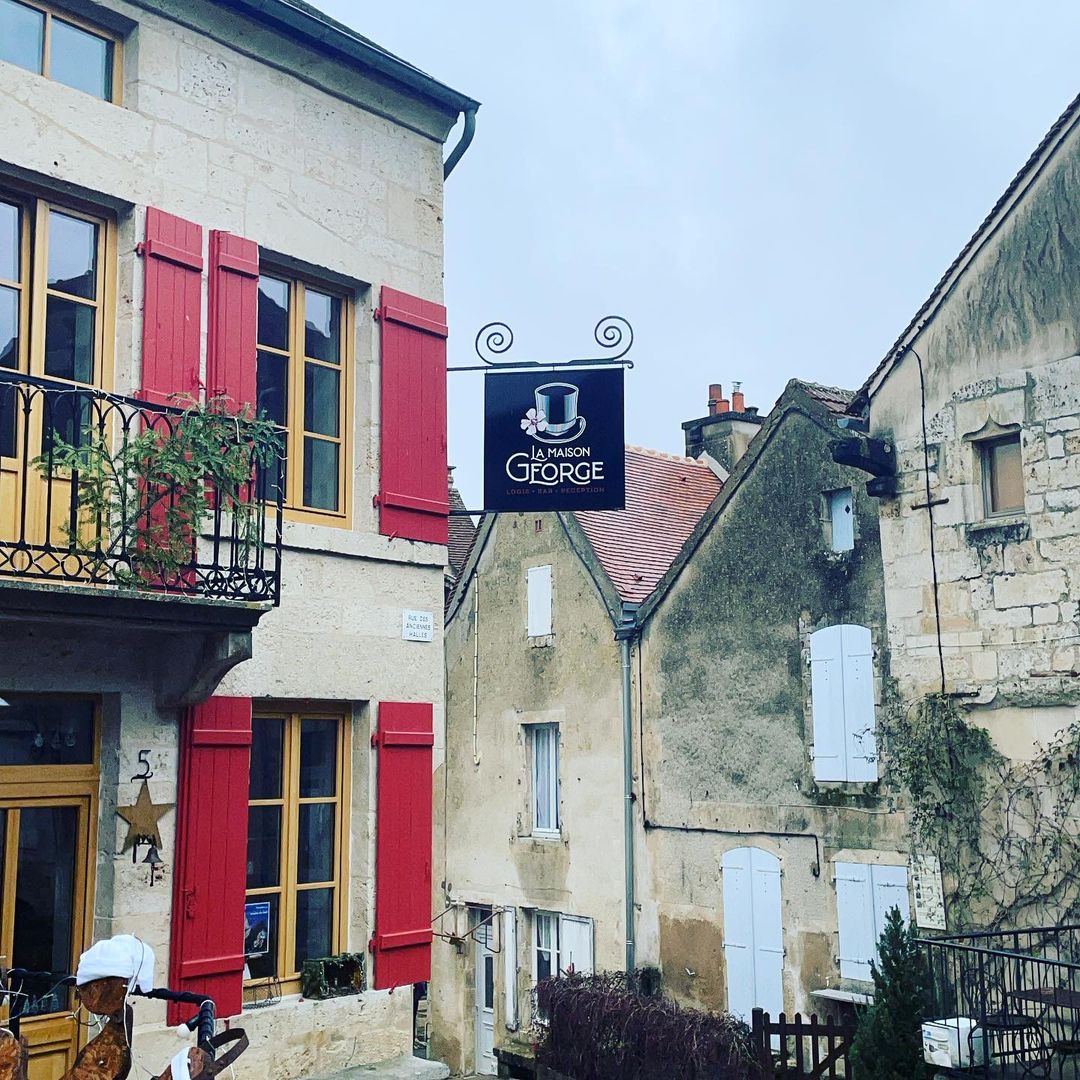
6 km from Alésia, the small fortified village of Flavigny-sur-Ozerain (350 inhabitants) has remained in its medieval juice. Flavigny, classified among the Most Beautiful Villages of France, served as the setting for the film Chocolat with Juliette Binoche and Johnny Depp.
People mainly come to Flavigny for its specialty: aniseed sweets, a plant imported to Burgundy by the Romans.
Flavigny is worth a visit: its gates and fortifications, the architecture of its artisanal houses (tanners, oil mills, millers, pewter potters, glassmakers, weavers and winegrowers), the bays of the old stalls, its bourgeois residences with staircase turrets , its narrow streets and alleys, its squares …
Without forgetting the peasant world and the ecclesiastical world with the Benedictine abbey of Saint-Pierre (719), the parish church of Saint-Genest ( 11th and 13th centuries), the Ursulines convent ( 1632), the Dominican novitiate installed by Father Lacordaire (1848) in the former bailiff of Auxois as well as the hotel of the marquis deSouhey , governor of Flavigny , currently seat of the Benedictine abbey of Saint-Joseph-de-Clairval .
Better than the tourist office: the site of the anise factory
Mieux que l’office du tourisme : le site de la fabrique des anis
FRANCHE-COMPTÉ

The capital of Franche-Comté is Besançon , which is also the most important city in the region. It is made up of the four departments of Doubs , Jura , Haute-Saône and Territoire de Belfort .
The division of the kingdom of Burgundy , following the Treaty of Verdun of 843 gradually led to the creation of the Franche Comté de Bourgogne in 986 . Passed by marriage to the house of Valois (kingdom of France) then to the house of Habsburg , it became Spanish possession before being annexed by France in 1678 . This historic unit, marked by the significant autonomy enjoyed by the region (especially under the Habsburgs ), today explains the strong identity of Franche-Comté. This is one of the regions of France whose “natural” character is the most marked, like its prefecture, Besançon , a city with a remarkable quality of life, due to an innovative environmental policy. Because of an abundant historical heritage, Besançon is classified as a world heritage by UNESCO.


Gastronomie
The traditional Franche-Comté cuisine is based on local specialties:
Cooked dishes:
Poulet à la comtoise: Poulet à la comtoise is a traditional dish from the French region of Franche-Comté. It consists of chicken pieces (preferably of the Bresse variety) cooked in a sauce made with white wine from Jura, crème fraîche, and delicious Comté cheese.
Coq au vin jaune : Along with coq au Riesling, coq au vin jaune is another variation on the classic coq au vin. Instead of red wine, coq au vin jaune incorporates yellow or white wine. The best vin jaune is found in the French region of Jura, but any yellow or white wine can be used instead of it. Light and sweet flavors and various colors make it a great summer dish, although the classic coq au vin is considered a typical winter dish. Morel mushrooms are commonly used in the preparation of coq au vin jaune, giving it a unique flavor and aroma. It is recommended to serve the dish with a glass of white Jura wine on the side
Croûte aux morilles : Croûte aux morilles is a traditional dish from the French region of Franche-Comté. It consists of a piece of toasted bread paired with morel mushrooms in a creamy sauce. Sometimes, the dish is served in a puff pastry casing. It is best to consume croûte aux morilles in April or May, as it is the time of year when mushrooms are the most abundant in the Franche-Comté forests.
Galette Comtoise: The galette comtoise is a traditional pastry from the Franc-Comté cuisine, a variation of the galette des Rois based on choux pastry, flavoured with orange blossom, whose origin dates back to the 14th century.
Gâteau de ménage : Gâteau de ménage or household cake is a traditional, simple cake originating from the French region of Franche-Comté. It is a type of flat, round brioche that is topped with chocolate chips or egg cream known as goumeau. This tasty dessert is sometimes also referred to as birthday cake. It was invented by the Der á Montier-en-Der monks in the Middle Ages and it is still popular today, especially during the festival season and Christmas fairs.
Raclette comtoise: Semi-hard washed rind cheese used for melting and scraping. We wash the cheese in a white Savoie wine while maturing. A cross between the Gruyere-type Comté and Reblochon that makes a wonderful winter party meal, served with baked or boiled potatoes in their skins, small gherkins, small sweet onions (marinated in wine or balsamic vinegar), charcuterie and salad. The cheese, which is relatively simple – by design – has a fruity dense taste.
Griottines : Griottines are cherries macerated in eau de vie or kirsch,[1] common to Fougerolles (Haute-Saône). They can be eaten alone, or used in a number of local dishes both savoury and sweet.
Delicatessen:
Morteau sausage : Saucisse de Morteau is a traditional smoked sausage made from pork meat that is stuffed into a natural pork intestine casing. The pigs are ethically and sustainably reared, and fattened in a traditional manner, without forcing the animals. The sausage is slowly smoked over beech wood, where it develops its firm, tender, and smooth texture, along with the typical meaty and smoky flavor that is well balanced without being bitter or too intense. On the palate, the sausage must be firm and juicy. The real Morteau sausages always have a small piece of wood attached at one end, along with a ring proving its authenticity.
Montbéliard sausage : Saucisse de Montbéliard is a smoked sausage made from pork and presented in a natural pork intestine casing. It has a uniquely distinctive smoky flavor which comes from using the wood and sawdust in the smoking process. That process also gives the sausages their amber, golden-brown color. The pork meat used in the production is lean pork and pork fat, minced and kneaded to perfection, while spices and herbs such as cumin and pepper are added to the mixture to provide a tasty, moist, and tender texture and a delicate smoky flavor when cooked.
Luxeuil ham: Luxeuilham has always been seen as a top-of-the-range product. It is produced from a whole leg of pork from a pig reared and fattened in the region. The meat is improved by the traditional method of slow maceration in a bath of Arbois wine, or another type of alcohol flavoured with spices. Then the ham is salted in brine, smoked and dried for at least nine months. Finally, it is hand-rubbed with salt to achieve its inimitable taste. Once it is ready, Luxeuilham remains edible for months as it keeps particularly well, whether it has been opened or not. In general, this cured meat goes very well with a raclette made using a good Franc Comté cheese. More surprisingly, Luxeuilham combines perfectly with sweet things; it is sometimes eaten with a nicechilled melon.
Cheeses: Comté, cancoillotte, Mont d’Or, Morbier, Edel de Cléron, Bleu de Gex du Haut-Jura.
Wines and beverages :
Vin de paille: Straw wine, or raisin wine, is a wine made from grapes that have been dried to concentrate their juice. The result is similar to that of the ice wine process, but is a much older process and suitable for warm climates. Straw wines are typically sweet to very sweet white wines, similar in density and sweetness to Sauternes but potentially sweeter. They are capable of long ageing. The low yields and labour-intensive production method means that they are quite expensive.
Vin jaune : (French for “yellow wine”) is a special and characteristic type of white wine made in the Jura region in eastern France. It is similar to dry fino Sherry and gets its character from being matured in a barrel under a film of yeast, known as the voile, on the wine’s surface. Vin jaune shares many similarities with Sherry, including some aromas, but unlike Sherry, it is not a fortified wine. The wine is made from the Savagnin grape, with some of the most premium examples coming from the marl based vineyards in the Château-Chalon AOC.
Crémant du Jura : The word “champagne” is reserved only for sparkling wine from the Champagne region of France. The French terms Mousseux and Crémant refer to sparkling wine not made in the Champagne region.
Absinthe: Absinthe is historically described as a distilled, highly alcoholic beverage (45–74% ABV). It is an anise-flavoured spirit derived from botanicals, including the flowers and leaves of Artemisia absinthium (“grand wormwood”), together with green anise, sweet fennel, and other medicinal and culinary herbs. Absinthe traditionally has a natural green color but may also be colorless. It is commonly referred to in historical literature as la fée verte (“the green fairy”). high level of alcohol by volume, but it is normally diluted with water before being consumed. Absinthe originated in the canton of Neuchâtel in Switzerland in the late 18th century. It rose to great popularity as an alcoholic drink in late 19th- and early 20th-century France, particularly among Parisian artists and writers. Absinthe has often been portrayed as a dangerously addictive psychoactive drug and hallucinogen. Yet, it has not been demonstrated to be any more dangerous than ordinary spirits. Recent studies have shown that absinthe’s psychoactive properties have been exaggerated, apart from that of the alcohol. A revival of absinthe began in the 1990s, following the adoption of modern European Union food and beverage laws that removed long-standing barriers to its production and sale.
Kirsch: Kirsch is a clear, colorless brandy traditionally made from double distillation of morello cherries, a dark-colored cultivar of the sour cherry.
Gentian liqueur and Blueberry liqueur.
Ronchamp
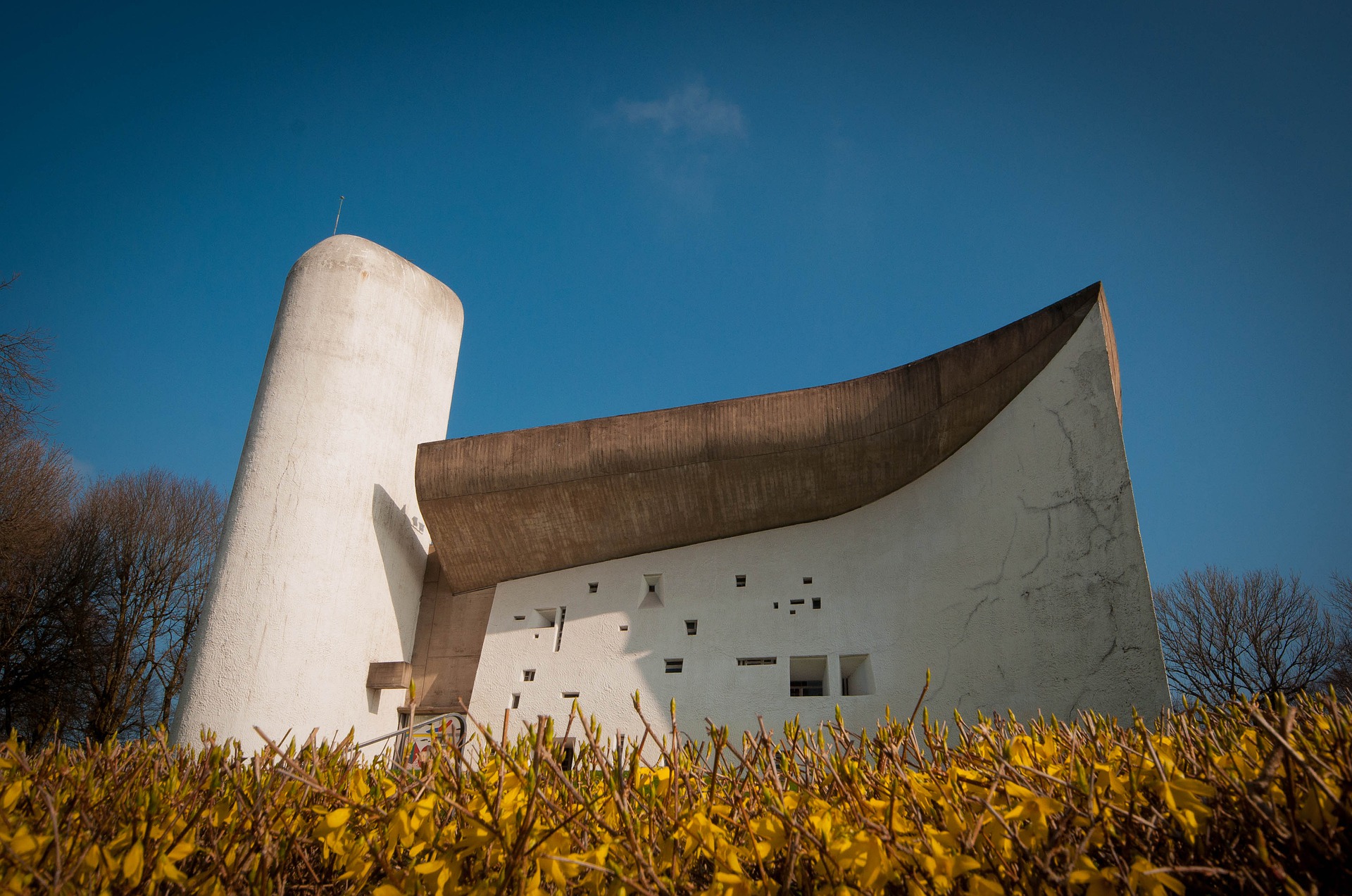
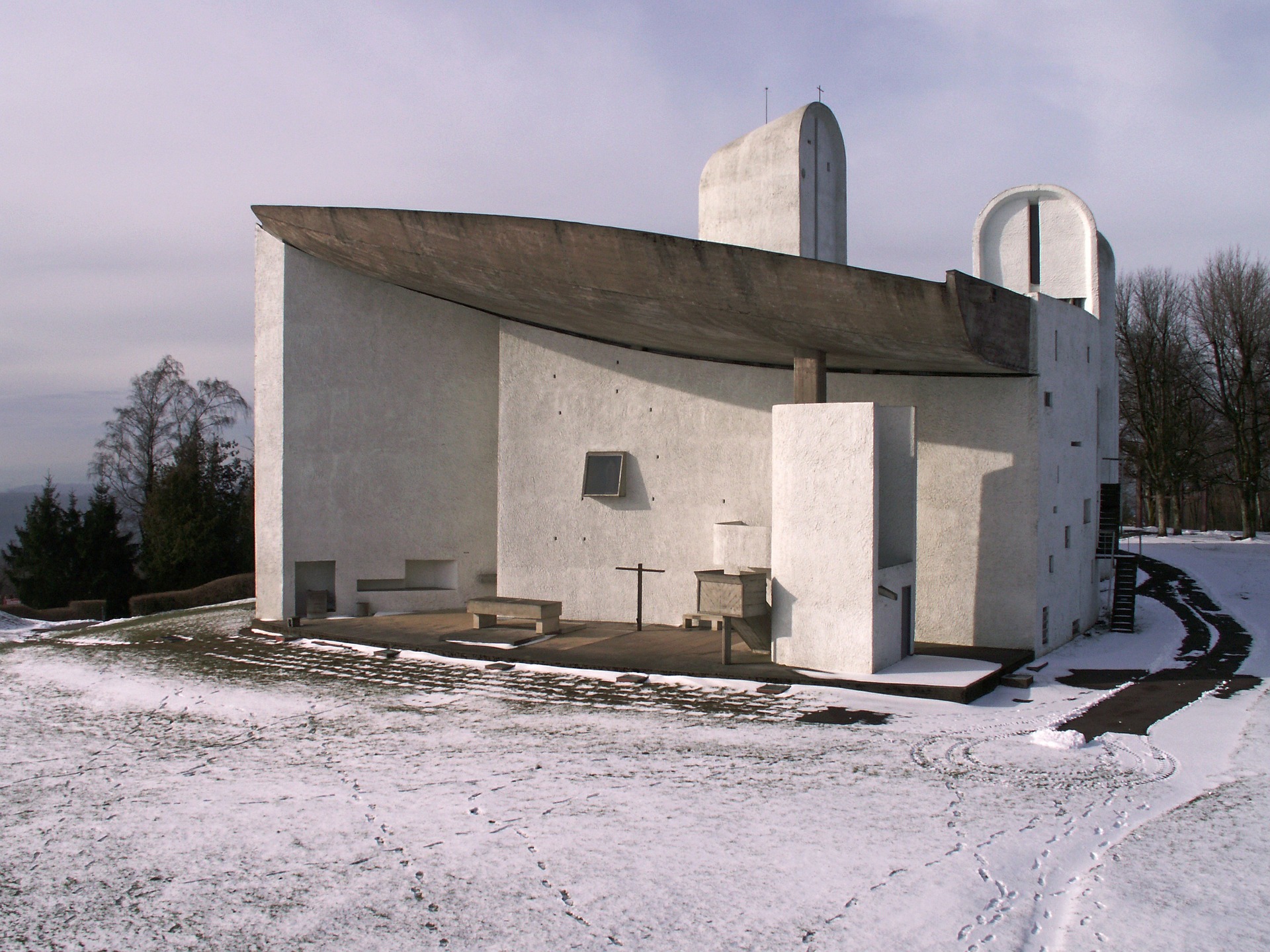
Located in Ronchamp , in Haute-Saône , on the Bourlémont hill, the Notre-Dame-du-Haut chapel, listed as a Historic Monument since 1967, is the work of the famous architect Le Corbusier. Erected in 1955 on the site of an old chapel, it overlooks the town of Ronchamp.
World famous Notre-Dame-du-Haut revolutionized the religious architecture of the 20th century. Contemporary in style, the chapel consists of a two-part concrete shell with curved lines, topped by a roof that does not touch the shell. This surprising architecture is completed by a clever dosage of light which penetrates through the space left free between the vault and the concrete walls, and by the play of colors of the stained glass windows. The ensemble invites contemplation: in fact, the chapel is an important place of pilgrimage for the feast of the Nativity, September 8, the Ascension and the Assumption.
It is accessed by the last path at the exit of the forest, which adds to the solemnity and beauty of this building perfectly integrated into the landscape.
A flagship of sacred art, the Notre-Dame-du-Haut chapel has benefited from recent developments signed by the architect Renzo Piano and the landscape designer Michel Corajoud, to facilitate the reception of visitors.
http://www.collinenotredameduhaut.com/

The Thousand Ponds Region
At the start of the 21st century, this region, mostly covered with forest, was of environmental interest due to its wetlands which shelter remarkable biotopes adapted to a cold and humid environment. This region of the Thousand Ponds is recognized as a natural area of ecological, faunistic and floristic interest. The Thousand Ponds are also of tourist interest for their landscapes which have earned them the nickname of“Little Finland” by analogy with the “Thousand Lakes” in Finland.

The Regional Natural Park of Ballons des Vosges
Created in 1989, the Regional Natural Park of Ballons des Vosges extends over the three former regions of Alsace , Franche-Comté and Lorraine , and, more specifically, over four departments of Haut-Rhin , Haute-Saône , Vosges and the Territoire de Belfort. Its 3,000 km² make it one of the largest Natural Parks in France. Reaching 1,424 metres at its highest point, the Grand Ballon is the highest peak of the Vosges mountains. A footpath offering numerous viewpoints takes walkers up to the summit. There is a beautiful view of surrounding area from the peak.
This magnificent protected territory offers natural and cultural heritage of great beauty. On the natural side, a succession of mountain landscapes, rounded balloons and high-altitude pastures, and two treasures: the great ridge that forms the Hautes-Vosges, with abundantly wooded slopes, and the Le plateau des Mille Étangs , in Franche-Comté . High stubble, peat bogs, lakes and streams, forests of oaks, beeches and fir trees make up most of these natural landscapes. The flora and fauna are abundant, and emblematic of the massif: lynx, peregrine falcons, roe deer, chamois, gray wolves whose return has been noted since 2011, cranberries, Vosges pansies, superb carnations, sundews … and medicinal plants such as arnica.
The hand of man has shaped the Vosges mountains: water, wood, stone have made it possible to develop industry and craftsmanship, as evidenced by the many sawmills, granite quarries, textile factories, and lavas of sandstone which cover the roofs.
On the cultural side, the Park includes 350 “Historical Monuments” sites, 2 “Land of Art and History” areas, around ten remarkable villages, thematic routes: The crest road , The Wine Trail d’Alsace, route du Fromage , route des Mille Étangs …
Fans of remembrance tourism will also be delighted by the many sites linked to world conflicts.
Two renowned spa resorts await curists: Plombières-les-Bains in the Vosges, and Luxeuil-les-Bains , in Haute-Saône.
The beautiful landscapes of the Ballons des Vosges Natural Park can be discovered on foot, on its many marked paths, by bike, on horseback, but also by snowshoes or cross-country skiing in winter … Nature lovers, superb spaces await you to enjoy the great outdoors, bodies of water for nautical activities, around thirty natural sites fitted out for climbing, fishing or free flight sites …

Besançon
Capital of Franche-Comté, the city of Art and History of Besançon, located in a loop of the Doubs . The citadel of Besançon is an architectural masterpiece by Vauban and listed as a UNESCO World Heritage Site and listed as a Historic Monument. Built in the second half of the 17th century, it has become over time the symbol of the city with a large tourism.
Extending over a dozen hectares, it is still considered today as one of the most beautiful citadels in the country. Overlooking the old town, it offers from its ramparts a breathtaking view of the surroundings. You can discover the Front Saint-Étienne, the first line of defense of the site, the Front Royal with its king’s tower and its queen’s tower, the Cadets building, the powder magazine, the arsenal, the large well the end of the 17th century and the Saint-Etienne.
In addition to its fortifications and its marvelous panorama over the roofs of the city and the valley of the Doubs, the citadel offers to explore its museums, which are the Museum Comtois , the Vauban space, its Natural History museum with its zoological garden, its course of evolution and its insectarium, aquarium, noctarium and climatorium.
The visit of Besançon continues with the discovery of the historic center located below the citadel. The St. John’s Cathedral with its splendid astronomical clock consists of 30 000 pieces; the lively Grande-Rue and Place de la Révolution; the Granvelle Palace , a magnificent Renaissance building now housing the Museum of Time dedicated to watchmaking; the Vauban quay with arcaded houses overlooking the Doubs river; the birthplace of the famous writer Victor Hugo or the hotels beautiful private 16th , 17th and 18th centuries are so many places and monuments to discover in linger.
During Antiquity, Besançon was an important metropolis of Roman Gaul . It is adorned with monuments, some of which have survived, archaeological excavations carried out during construction sites often revealing new discoveries dating from this period.
The most emblematic and best-preserved monument dating from this period is the Porte Noire , a Gallo-Roman triumphal arch built in the 2nd century in the Saint-Jean district. Immediately below is the Castan Square with a collection of archaeological remains from the 2nd century or the 3rd century consisting in particular of eight Corinthian columns .
Also not to be missed is the Museum of Fine Arts and Archeology , occupying a former 19th century grain hall, which exhibits archaeological and artistic collections.
With its many green spaces, the city of Besançon also appeals to park and garden enthusiasts, with the botanical garden with its many species of plants, trees and flowers, and the Promenade Micaud, a pleasant three-hectare park located on the edge of the Doubs.
The culinary specialties of Besançon:
The gastronomy of Besançon takes advantage of all the riches of Franche-Comté , a region of cattle breeding , dairy and cheese production , smoked cured meats from Haut-Doubs and Haut-Jura , clear water from torrents , rivers and lakes , from forests to mushrooms to game , and the vineyards of Franche-Comte.
Some examples of regional products:
Cheeses : Comté, cancoillotte, Mont d’Or, Morbier
Deli meats : Morteau sausage , Montbéliard sausage , Luxeuil ham
Typical dishes: Poulet à la comtoise, trout in yellow wine , chicken with morel mushrooms , Croûte aux morilles , Coq au vin jaune etc….
Wines and alcohols : Vin jaune, Vin de paille , L’Étoile , Crémant du Jura
The Besançon tourist office website: here


The royal saltworks of Arc-et-Senans
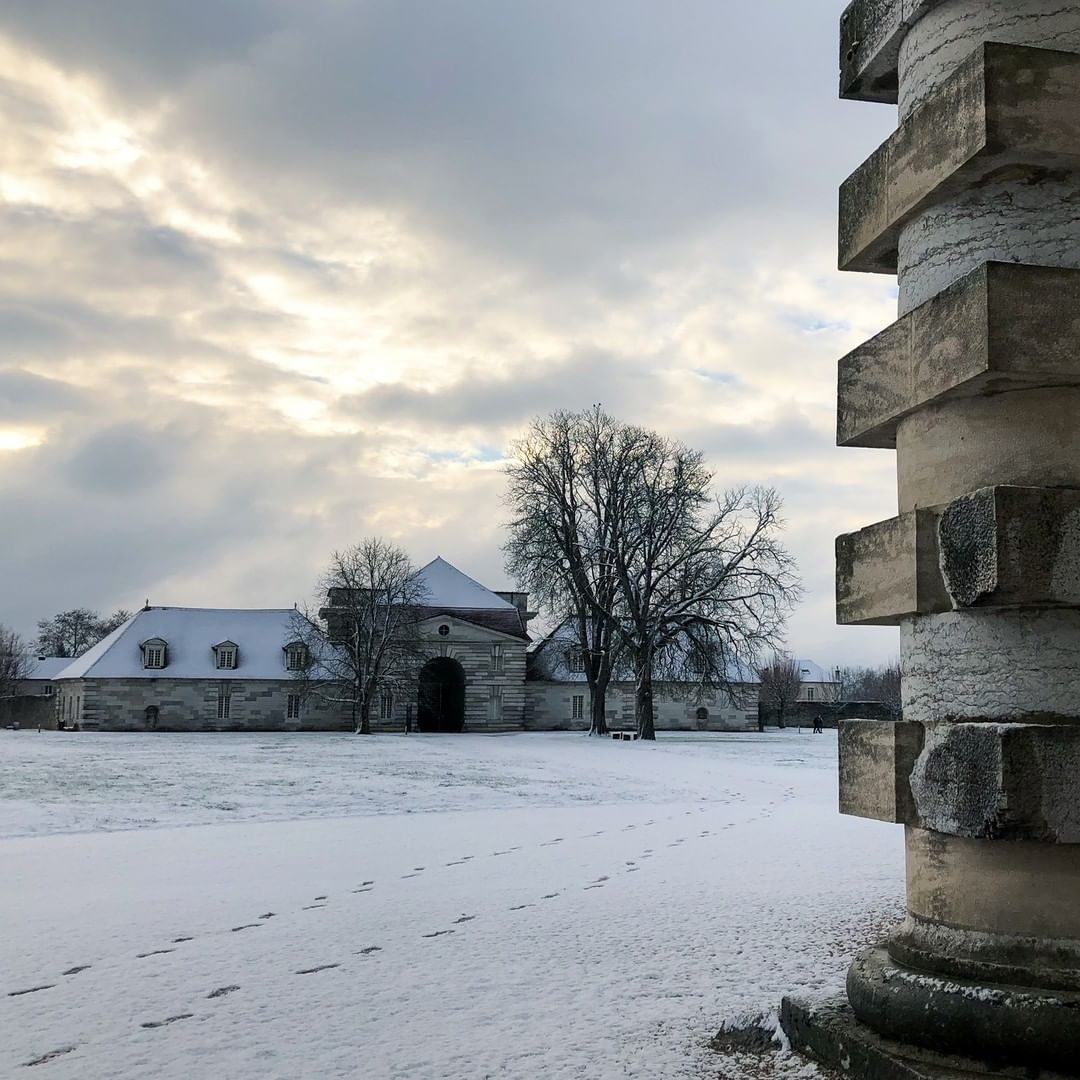
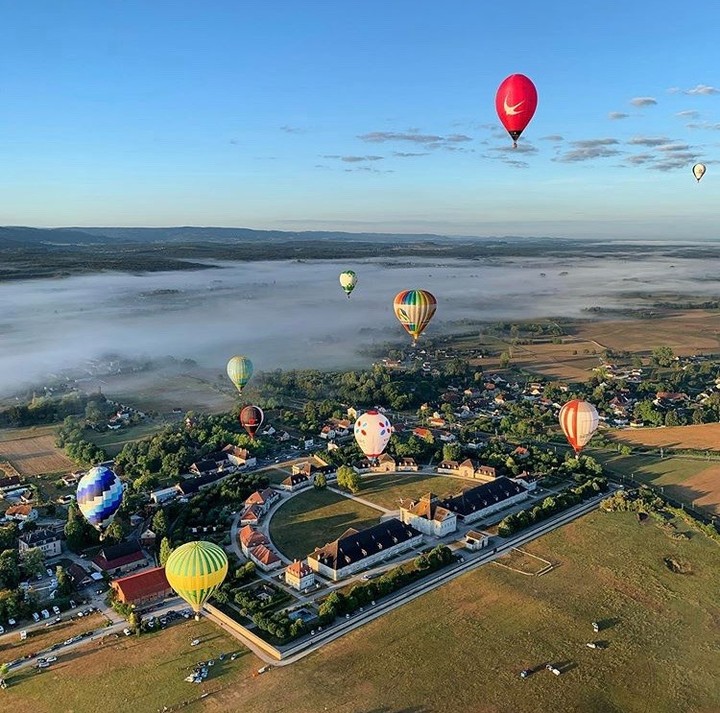
Built from 1774 to 1779 by the architect Claude-Nicolas Ledoux, the former royal saltworks of Arc-et-Senans is a remarkable testimony to the French industrial heritage. Neoclassical in style, this set, made up of eleven buildings, is now a UNESCO World Heritage Site. During the visit, we discover among others the building of the Guards, the building of the Director, the Marshalery and the Cooperage. The salt museum, the Claude-Nicolas Ledoux museum and temporary exhibitions complete the discovery of the place.
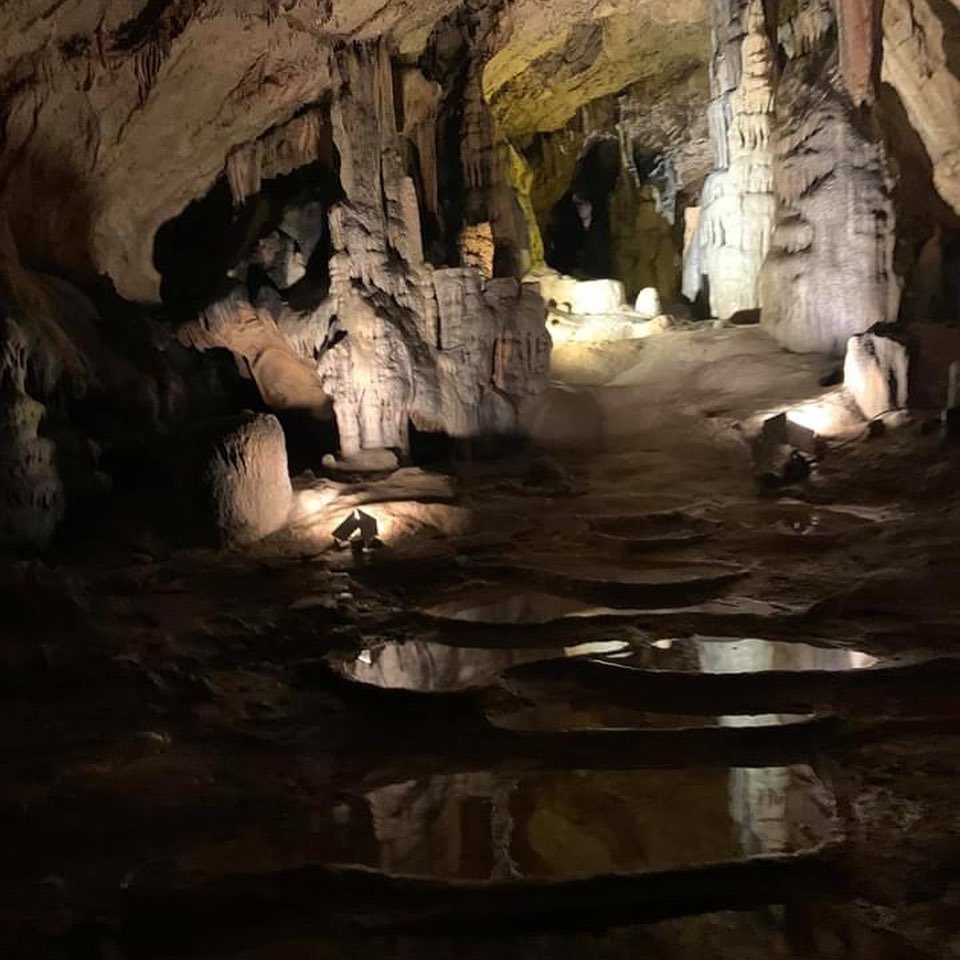
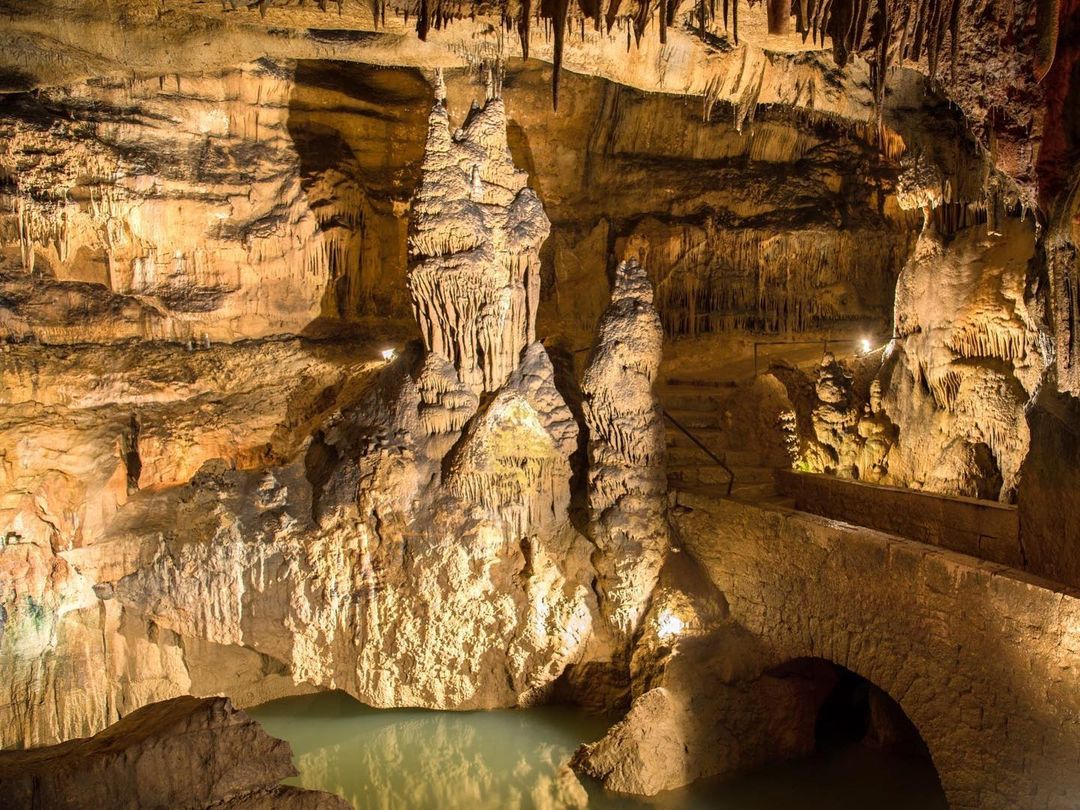
The Osselle cave
Discovered in the 13th century, the Osselle cave, which has been visited since 1504, is, along with the Antiparos cave in Greece, the oldest tourist cave.
Over 1,300 meters of route, you will discover numerous limestone formations. The site also contains a dry area with smooth walls.
For the beauty of its natural setting, the variety of its crystallizations and colors and for its historical and prehistoric treasures, the Osselle cave is one of the jewels of our natural heritage and can take place among the most astonishing caves in the world.
ALSACE

Land of traditions and gastronomy located in the heart of Europe, Alsace is a destination full of attractions that will undoubtedly appreciate lovers of discovery and authenticity. If the region is particularly famous for its Flammekueches, sauerkraut, baeckeoffes, white wines and magical Christmas markets, it is also famous for its charming flowered half-timbered villages, medieval castles and prestigious museums.
While traveling through Alsace, one will of course not fail to visit certain high places of Alsatian tourism, such as Strasbourg with its Gothic cathedral and its picturesque Petite France, Colmar with its romantic Little Venice and its famous Unterlinden museum, the perched castle of Haut-Koenigsbourg , the beautiful walled city of Riquewihr , the The Wine Trail and its villages, Mulhouse and its major museums, the The Alsace heritage museum -like old town, the collegiate church of Thann , the Abbey of Murbach or again the convent of Mont Sainte-Odile


Gastronomy
Gastronomic specialties:
Choucroute d’Alsace : Choucroute d’Alsace is a naturally fermented cabbage, also known as sauerkrat, produced in the French region of Alsace. It is best known in a dish called Choucroute Garnie when it is accompanied by three types of sausage – Frankfurter, Strasbourg and Montbéliard, cured meat, cold cuts and potatoes. The texture is crunchy if the Choucroute is raw, and firm when cooked, and the taste is uniquely sour. Except its use in Choucroute Garnie, it can be used raw in salads or cooked as a side dish.
Fleischschnacka : (alsatian word) are an Alsatian dish made from cooked meat stuffing (usually the remainders of pot-au-feu), eggs, onions, parsley, salt, pepper rolled in a fresh egg pasta.
Fondue vigneronne : Fondue vigneronne is a fondue where meat, seafood and vegetables are soaked in boiling white wine to be cooked before being eaten.
Potée alsacienne : The Alsatian stew is a traditional dish of Alsace. In addition to the classic recipe with cabbage, there is a variation known as baeckeoffe (Bäckeoffe (Bas-Rhin), Bäckaofa (Haut-Rhin) (“bread oven”) or potée alsacienne aux trois viandes.
Tarte flambée, Flammekueche : Tarte flambée is a thin, crispy, rectangular flatbread that is topped with tart and spreadable cheese (fromage blanc) or melting ripe cheese (Munster), créme fraîche, crispy bacon, and thinly sliced roasted onions. A pinch of salt, ground pepper, peanut oil and nutmeg add extra layers of flavor to this beloved snack. Also known as flammeküche in Germany, the flaming tart takes its name from the fact that it is baked at a close proximity to hot embers in a brick oven. Of course, due to its popularity, it spread well beyond Alsace, so there are many varieties of the dish with added mushrooms or tomatoes. Tarte flambée pairs perfectly with dry white wines and foamy local beers, both of them specialties of the Alsace region.
Spätzle : Spätzle is the German answer to pasta: thick noodles made from water, salt, flour, and eggs. They are very moist and have a soft texture, so it is not possible to roll them out – instead, they are shaped by hand, with a knife, or pressed through a variety of spätzle-presses.
Coq au Riesling : An Alsatian version of the classic coq au vin, known as coq au Riesling is a dish consisting of chicken, mushrooms, onion, lardons, and dry Riesling wine from Alsace, recognized as one of the best wines in the world. It is said that the dish is even better when reheated the next day due to the flavors that deepen when left in the fridge overnight.
Waedele: boiled or braised ham
Zewelkueche: onion tart
Foie gras from Alsace
Bredele: Bredele are small biscuits that are traditionally prepared during the festive Christmas season in the French region of Alsace. The biscuits come in many shapes and flavors such as lemon, honey, and almond. Although the first known recipes for bredele date back to the 14th century, they rose in popularity around the 18th and the early 19th century, when cookie-cutters were introduced to French kitchens. Today, the biscuits are often made at home and stored in tin boxes to keep them fresh until Christmas Eve, when they are usually served with tea, coffee, or Alsatian wines such as Muscat and Gewurztraminer.
White cheese pie or Kaeskueche
Mannele : A mannele or mannala (from the Alsatian Alemannic and the Lorraine Franconian, “little man”), is a brioche in the shape of a man.
Rosehip jam
Munster cheese: Munster is a soft, creamy cheese with an orange-colored washed rind, produced in the Alsace and Lorraine area in France. The cheese is made from cow’s milk: smaller cheeses mature in cellars for at least 14 days, and regular sized cheeses for at least 21 days. Its name comes from a small town called Munster (Monastery), where monks have been making the cheese since the Middle Ages. Munster’s aroma is strong and pungent, similar to that of fried eggs, and the flavor is tangy, so it is best enjoyed with strong beers, full-bodied red wines.
Drinks
Alsace beer, “Elsassbier”, refers to beer brewed according to a centuries-old tradition. First brewing region in France, beer is part of the Alsatian heritage.
Crémant d’Alsace : These white and rosé sparkling wines are produced in the French wine region of Alsace, with Pinot Blanc as the principal grape variety, though Auxerrois, Pinot Gris, Riesling, Chardonnay, and Pinot Noir are also permitted. The wines are produced with a traditional method—in which the second fermentation takes place in the bottle—and they must be aged for a minimum of nine months. Crémant d’Alsace wines are usually lively and fresh, with fine bubbles and fruity notes of apples, pears, apricots, and peaches.
Alsace wines : The wine region of Alsace produces wines under three different Appellations d’Origine Contrôlées (AOCs): Alsace AOC for white, rosé and red wines, Alsace Grand Cru AOC for white wines from certain classified vineyards and Crémant d’Alsace AOC for sparkling wines. This region is the only French wine region allowed to label its wines based on variety (i.e., varietal wines).
https://www.vinsalsace.com/en/
Vin chaud: Mulled wine is a warming beverage that combines wine, sugar, and spices. It is enjoyed throughout Europe, traditionally as a festive Christmas drink.


Strasbourg
Capital of Europe, Strasbourg is also a city of Art and History renowned for its exceptional buildings. Listed as a UNESCO World Heritage Site, the old town has preserved many testimonies of its past, in particular its medieval period and its Renaissance period.
Built from the 11th to 15th century on the foundations of an ancient basilica Rhine, The Cathedral of Notre Dame de Strasbourg is sumptuous. Its arrow reaches a height of 142 meters! The magnificent Gothic western facade in pink sandstone from the Vosges can be admired from the rue Mercière. Inside, the Renaissance-style astronomical clock offers a parade of the Apostles, every day at 12:30.
The Cathedral Square is surrounded by beautiful old buildings like Cerf pharmacy dating back to the 13th century or the house Kammerzell , magnificent wood carved swathes of the Renaissance, now a great restaurant.
Picturesque and romantic, the Petite-France is the old quarter of tanners, millers and fishermen. The large sloping roofs of the houses that can be found there were once intended for drying skins. At the water’s edge, the Maison des Tanneurs dating from 1572 is a wonderful example. The charming banks of the Ill river as well as the pedestrian streets of Petite France allow you to both discover beautiful half-timbered houses and have a really pleasant time. The panoramic terrace of Vauban dam has a beautiful view of the covered bridges, Petite France and the cathedral.
Rich in museums, Strasbourg offers to discover the Palais Rohan containing three museums dedicated respectively to Decorative Arts, Fine Arts and Archeology; the Musée de l’Oeuvre Notre-Dame dedicated to medieval sculpture; the Alsatian archeological museum showcasing Alsatian art and traditions; the Museum of Modern and Contemporary Art retracing the evolution from the Impressionist period to the present day.
For shopping enthusiasts, the city is full of fine boutiques and department stores.
The Orangerie park , with its lake, offers a pleasant and restful green setting.
Near the park, the European quarter is the seat of several organizations: the Council of Europe, the European Parliament , and the Human Rights Building housing the European Court of Human Rights.
The city offers a wide choice of cultural activities, especially with its International Music Festival in June or Musica, the Music Festival of Today which takes place in September. In December, the famous Strasbourg Christmas market is a great moment of illuminations, typical decorations and a warm atmosphere.
Gastronomic specialties
Alsatian cuisine is regional cuisine from France, with Germanic and Central European influence.
Tarte flambée, Flammekueche, Choucroute d’Alsace, Knack de Strasbourg, etc…
The website of the tourist office: here
Wine route
Going down towards Obernai, we find the Mount Saint-Odile , a must-see historical site in Alsace, which offers you a breathtaking view of the Alsatian vineyards.
The Alsace wine route is one of the most beautiful roads in France. Departure from Marlenheim (north of Alsace), across the Bas-Rhin and Haut-Rhin, stops at Thann in the south of Alsace.
Many authentic villages around Colmar have some nice surprises in store. Ribeauvillé, Riquwihr , Kaysersberg , Ammerschwihr , Équisheim, Guebwiller… the Château de Haut-Koenigsbourg and Monkey Mountain are also worth visiting.
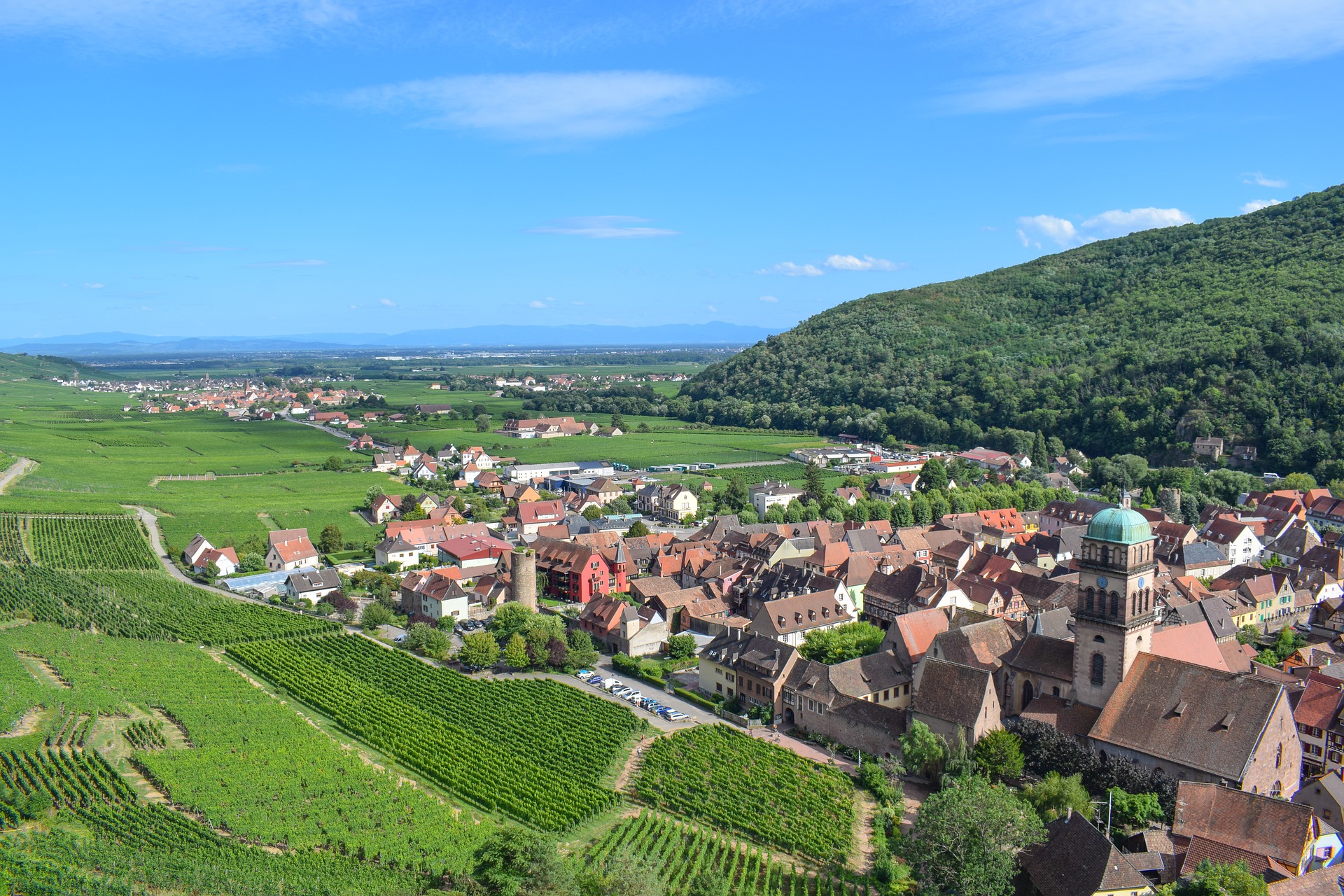
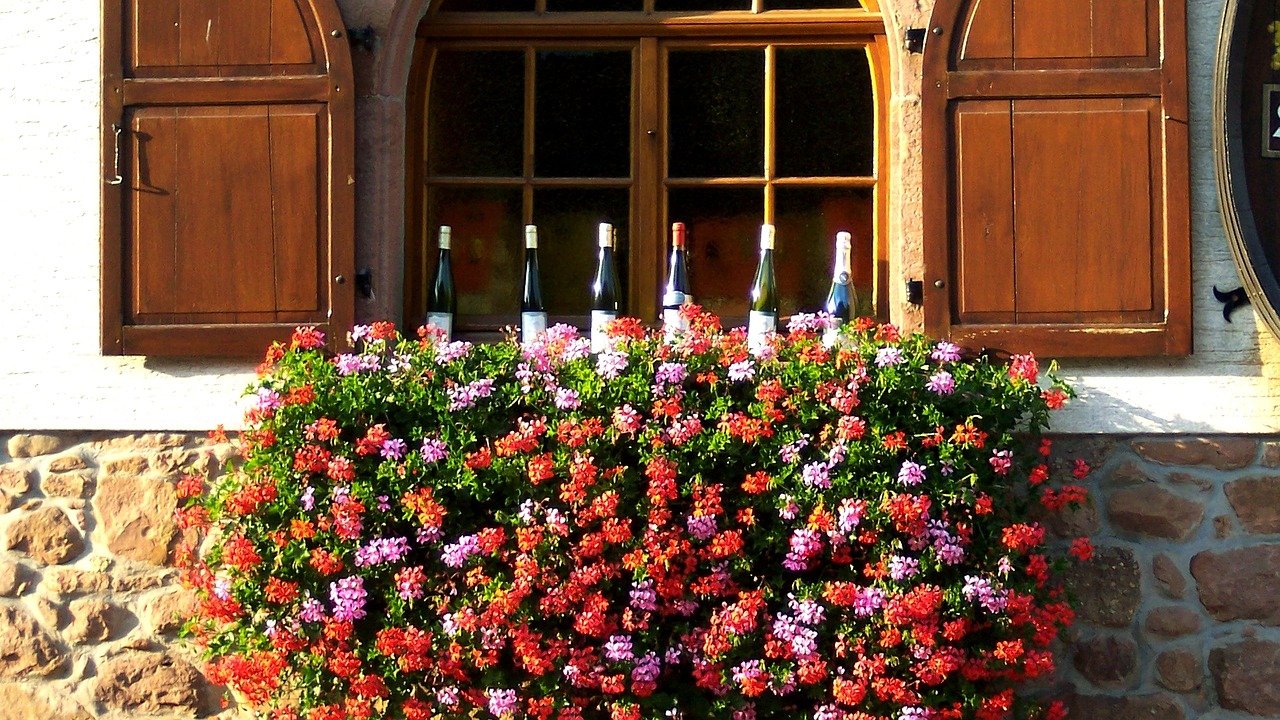
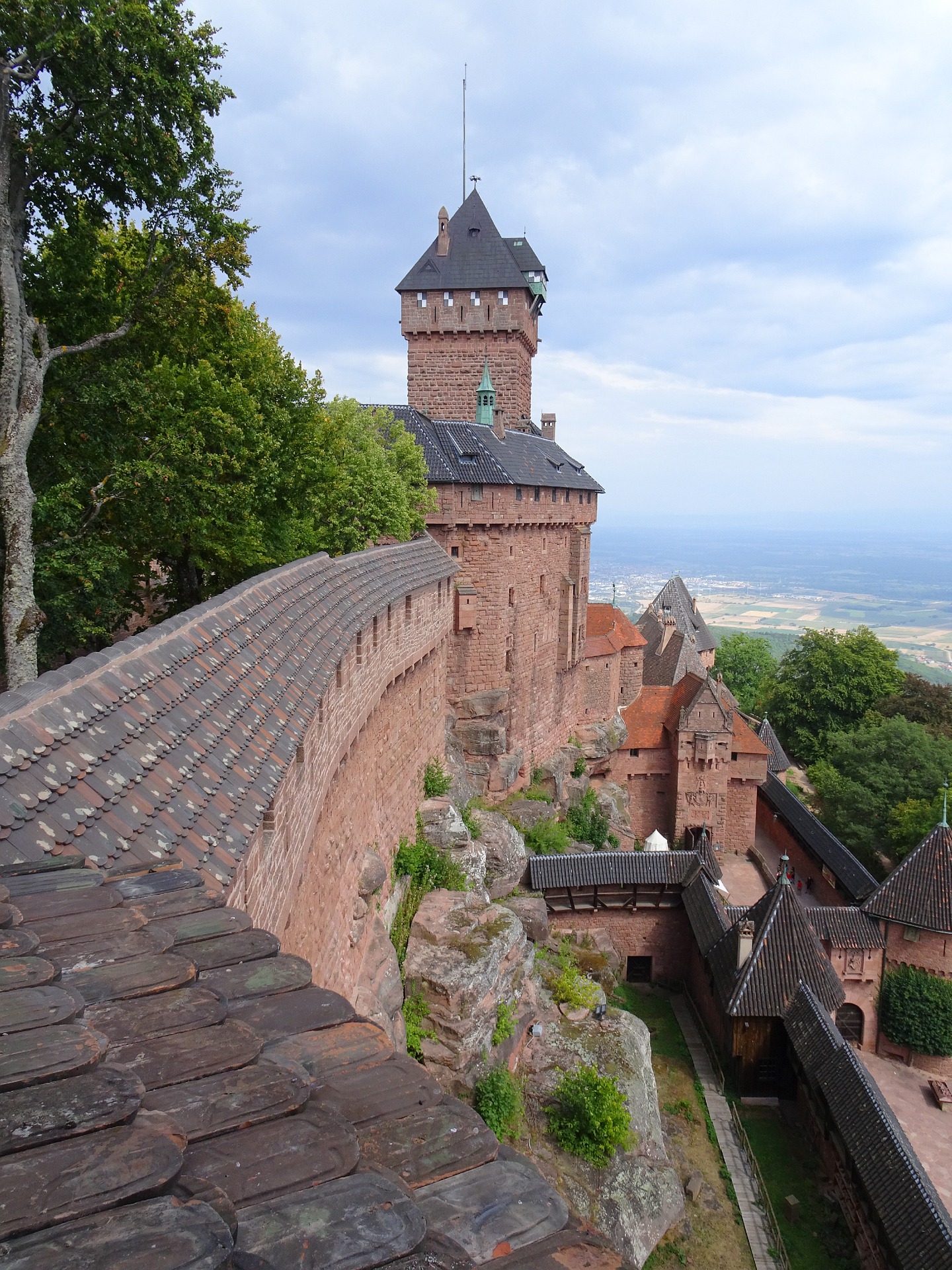
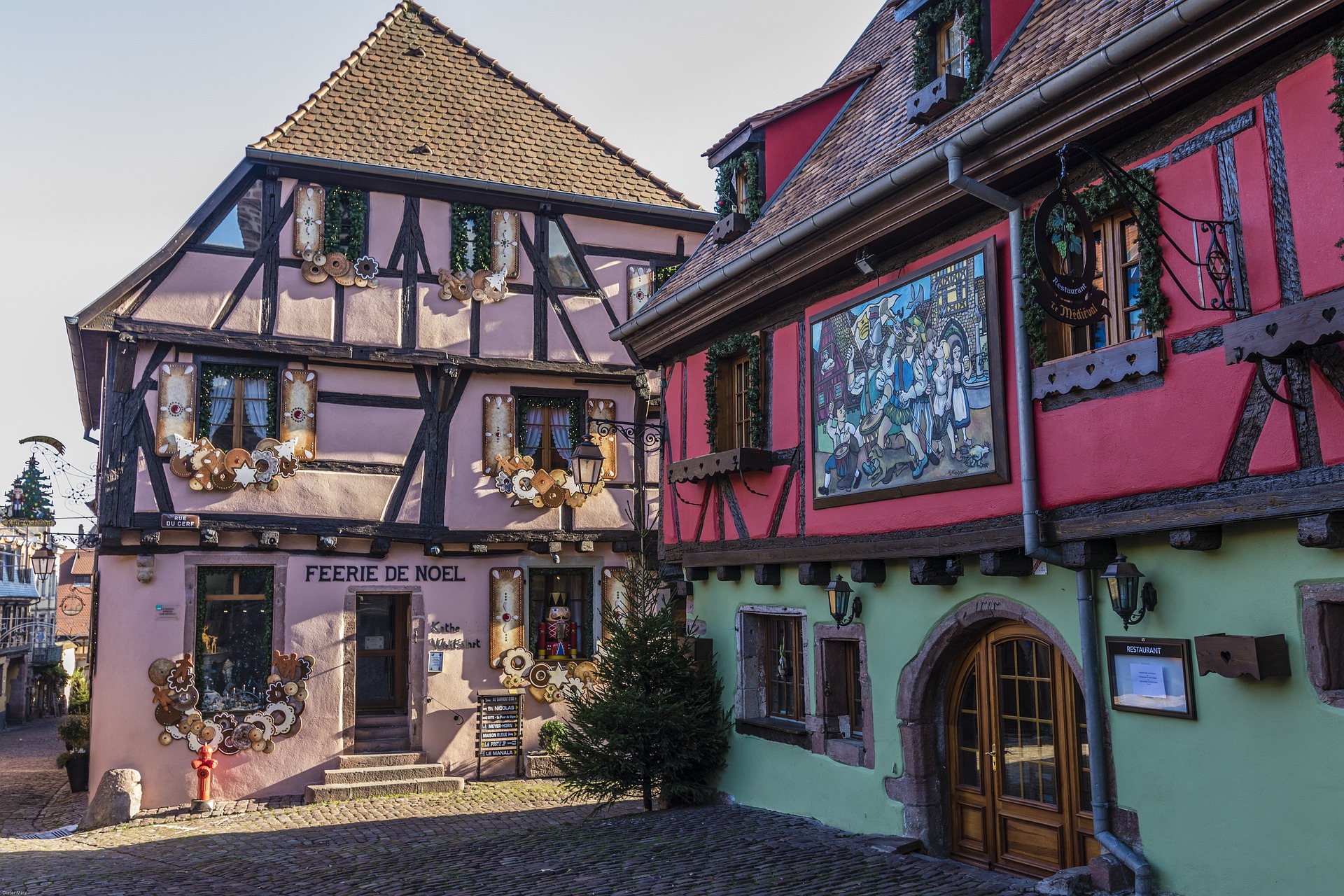
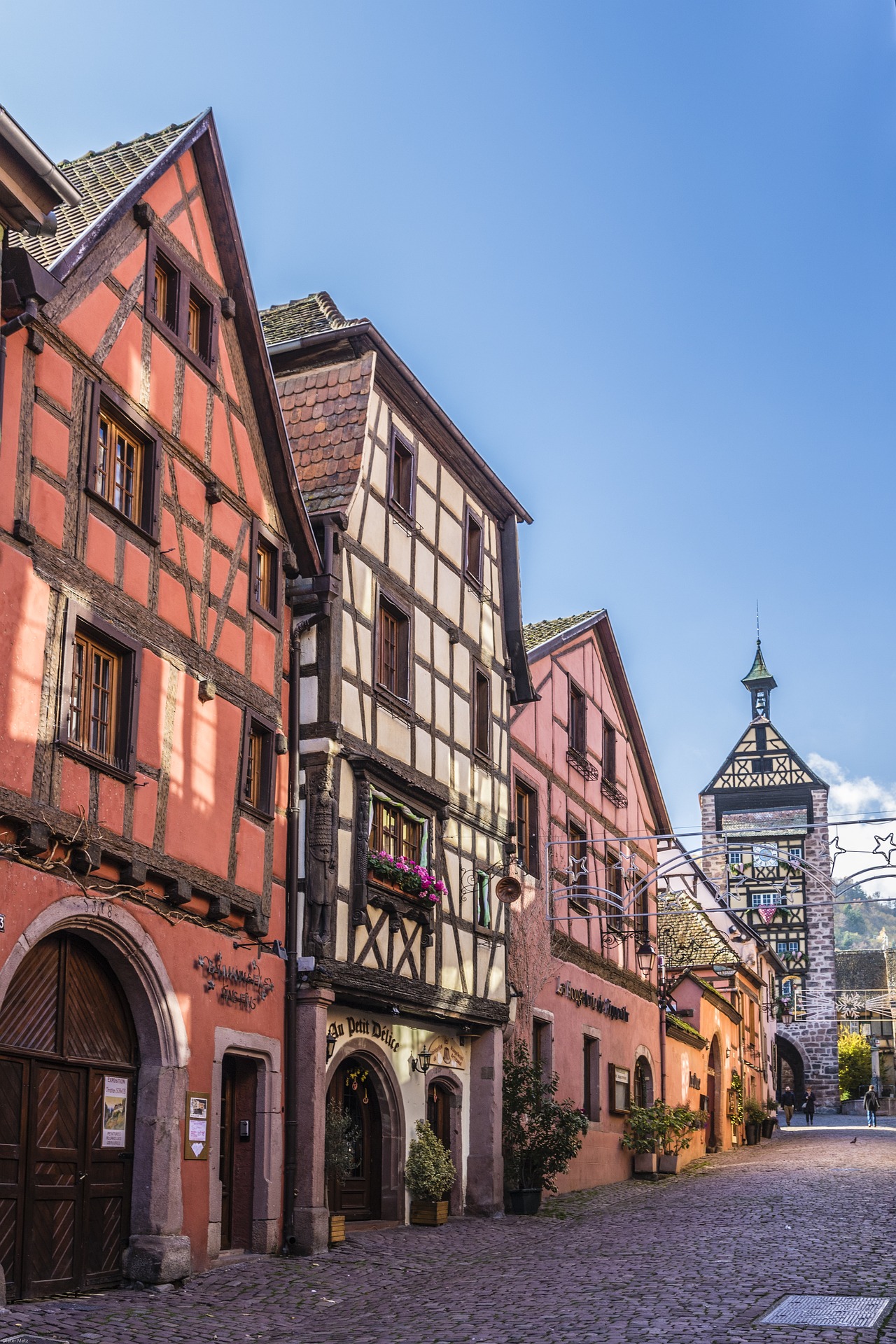
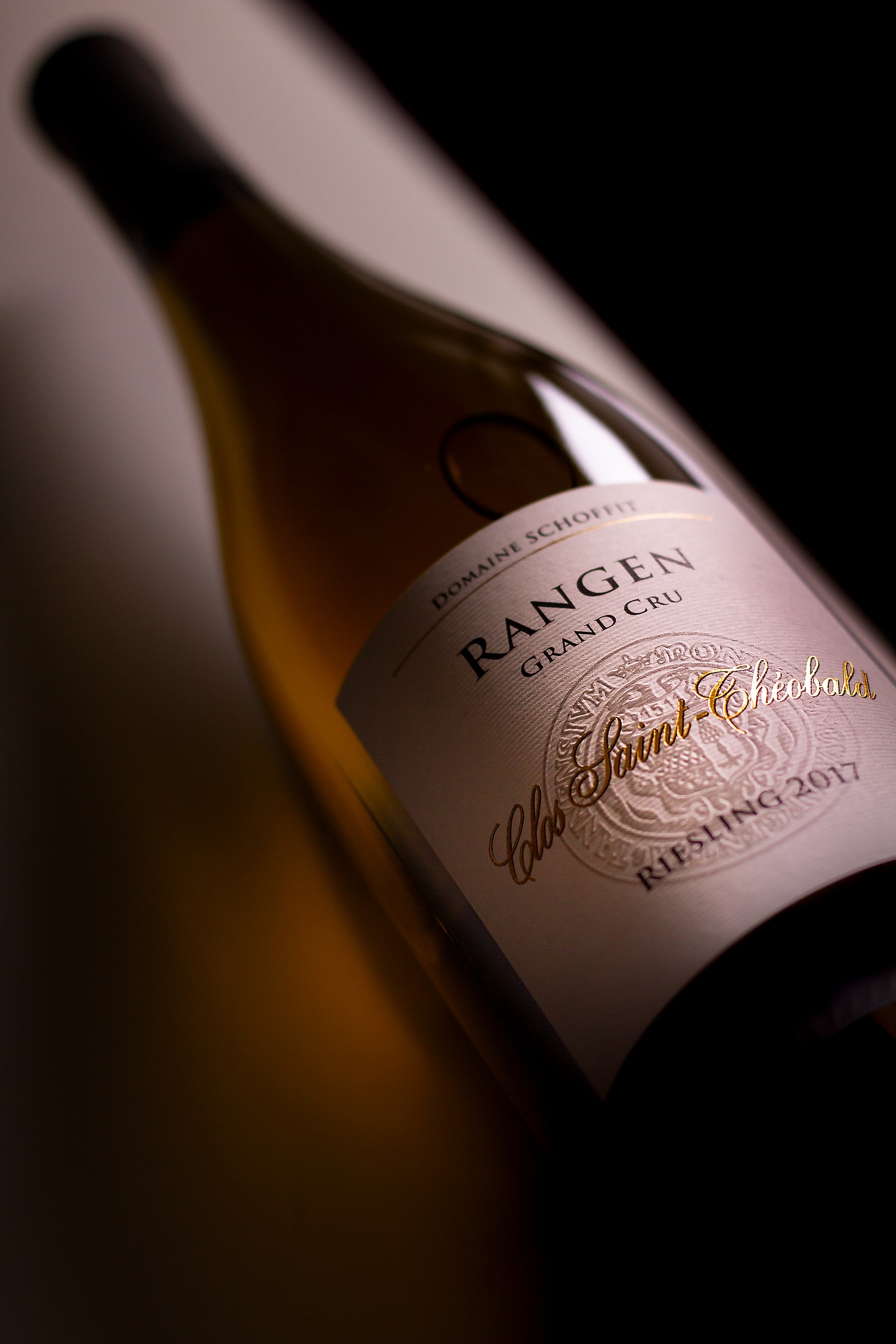
Colmar
The Unterlinden Museum and the library of the Dominicans of Colmar are remarkable evidence of the excellence of the architecture of the region.
To stroll fully in the heart of the city of Colmar is a real pleasure. Why not take a small boat trip to the covered market ? On the way to the district of the Petite Venise , then continue towards the Koïfhus (the old Customs House of Colmar) , we visit the Bartholdi museum , we admire the architecture of the Maison Pfister ….
Capital of Alsace wines , Colmar has preserved its rich architectural heritage as well as its picturesque character. The Unterlinden museum and the Dominican library in Colmar , devoted to Rhine art. Exhibiting paintings and sculptures from the Middle Ages and the Renaissance, this former Dominican convent also houses the famous Issenheim altarpiece .
The old quarters, with old half-timbered houses and facades decorated with old wrought iron signs, are a real delight. One of the most popular places in Colmar is the petite Venise , a romantic district par excellence. The beautiful half-timbered houses with colorful walls on the Quai de la Poissonnerie (Fish Wharf) and the small flower-filled bridges spanning the Lauch river accentuate the charm of the site. A boat trip on the canal is also a pleasant way to discover the pretty banks of Little Venice.
The Tanners’ quarter, with tall houses containing granaries formerly used for drying skins, is very picturesque. The rue des Marchands is known for its beautiful residences and more particularly for the Pfister house , from 1537, adorned with a corner oriel window and a wooden gallery. It is in this street that is the birthplace of Auguste Bartholdi, sculptor of the Statue of Liberty of New York. This former residence now houses a museum exhibiting the artist’s works.
The tour continues to the old town with the Collegiate Church Saint-Martin , old cathedral of XIII th and XIV th century; the Dominican Church, in Rhine Gothic style; the house of the Arcades and the Old Customs House, Koïfhus , with its pretty lively square adorned with a fountain.
The Hansi Museum is dedicated to the artist illustrator Hansi , whose real name is Jean-Jacques Waltz. The Toy Museum is a museum dedicated to toys and games, from the 19th century to the present day. It opened in 1993 in a former neighborhood cinema and exhibits more than 1,000 toys on three levels of visit.
The Colmar wine fair, which takes place in August, is unmissable. This festival offers a set of tastings, gastronomy, exhibitions and activities. The atmosphere is there! The Colmar International Festival , in July, is a great celebration of classical music. In winter, during the Christmas holidays , the old town of Colmar offers an enchanting setting with its illuminations, decorations and warm Christmas markets.
https://www.youtube.com/watch?v=aCb-3w6MvWw
The website of the tourist office: https://tourisme-colmar.com
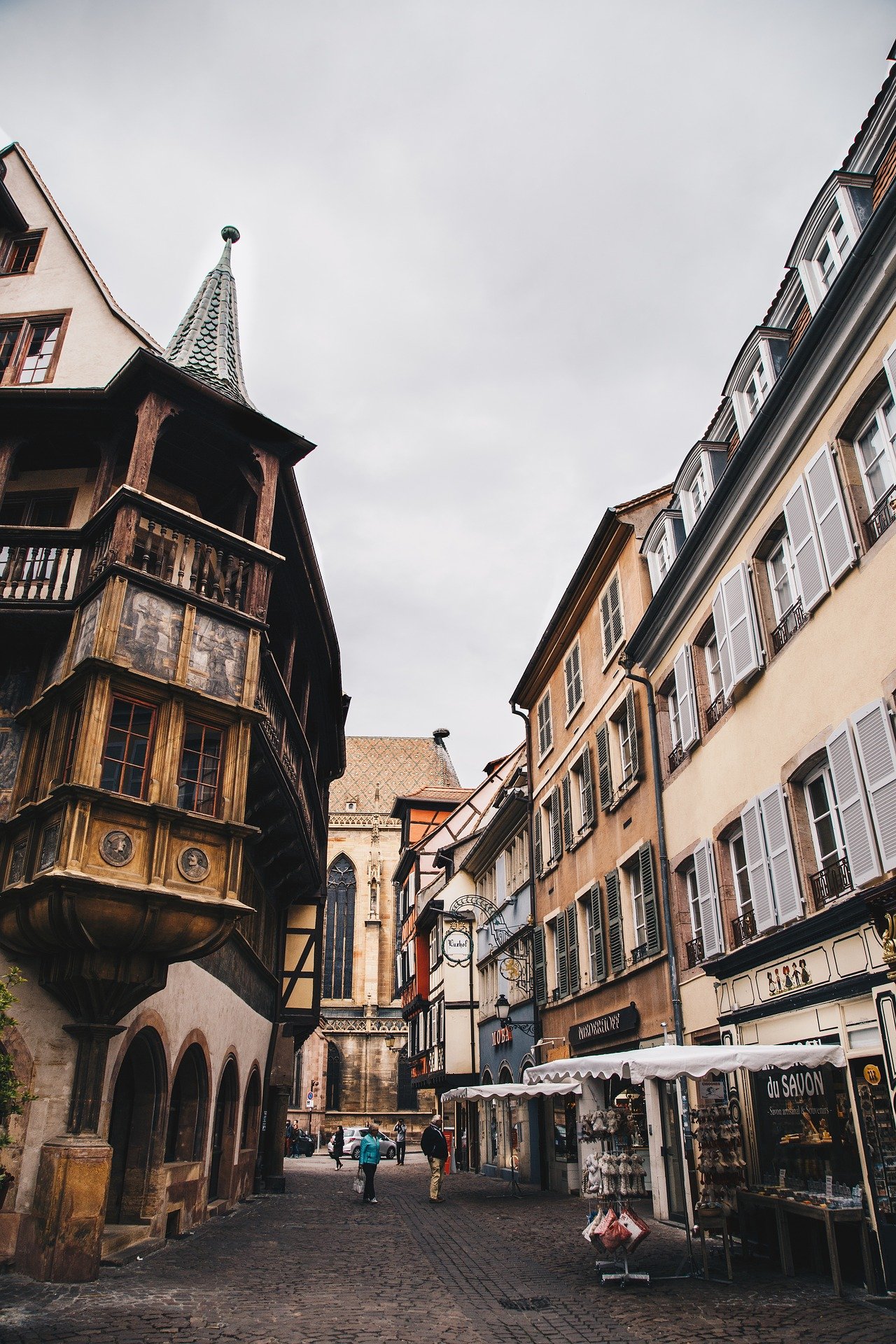

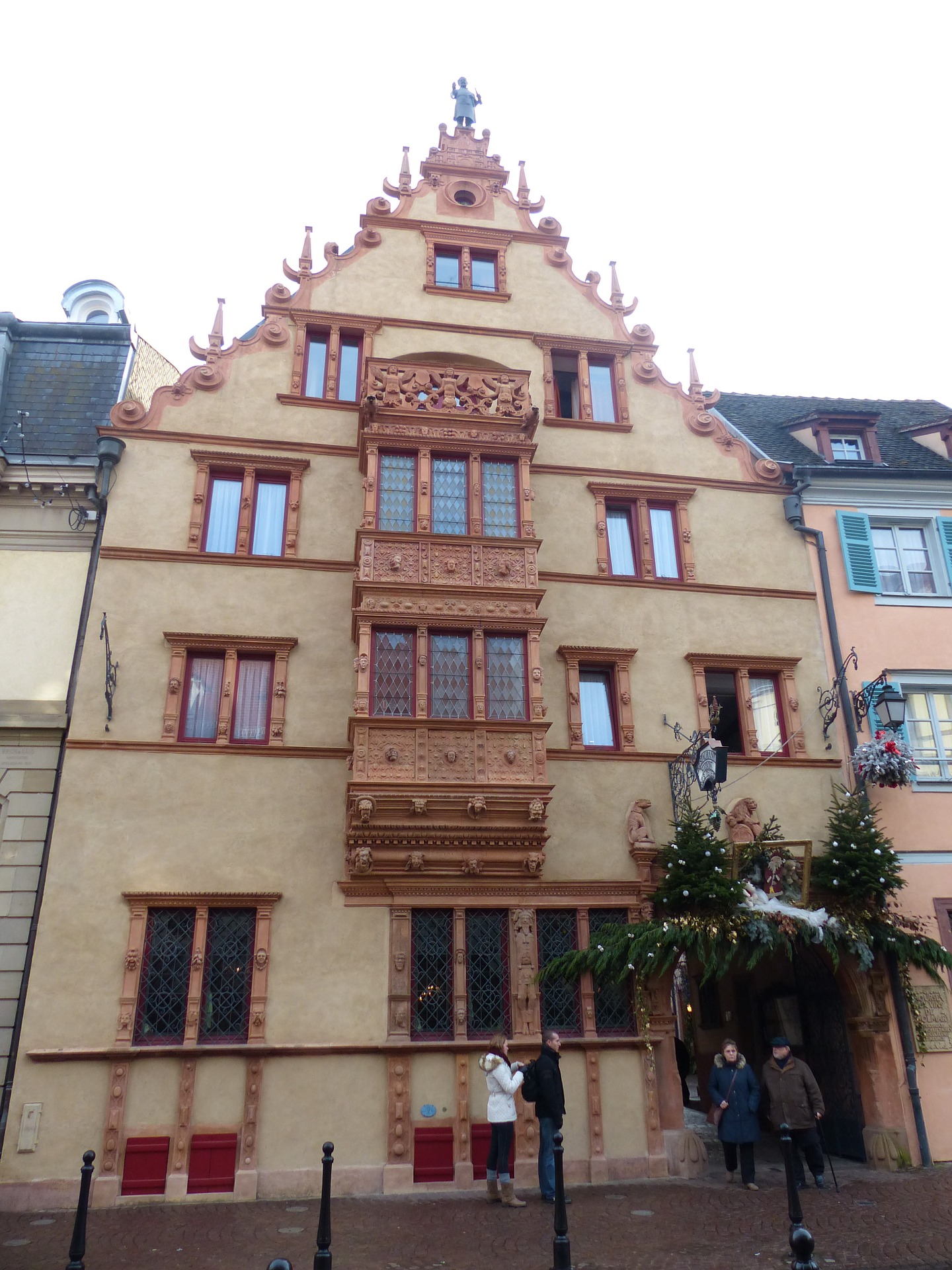
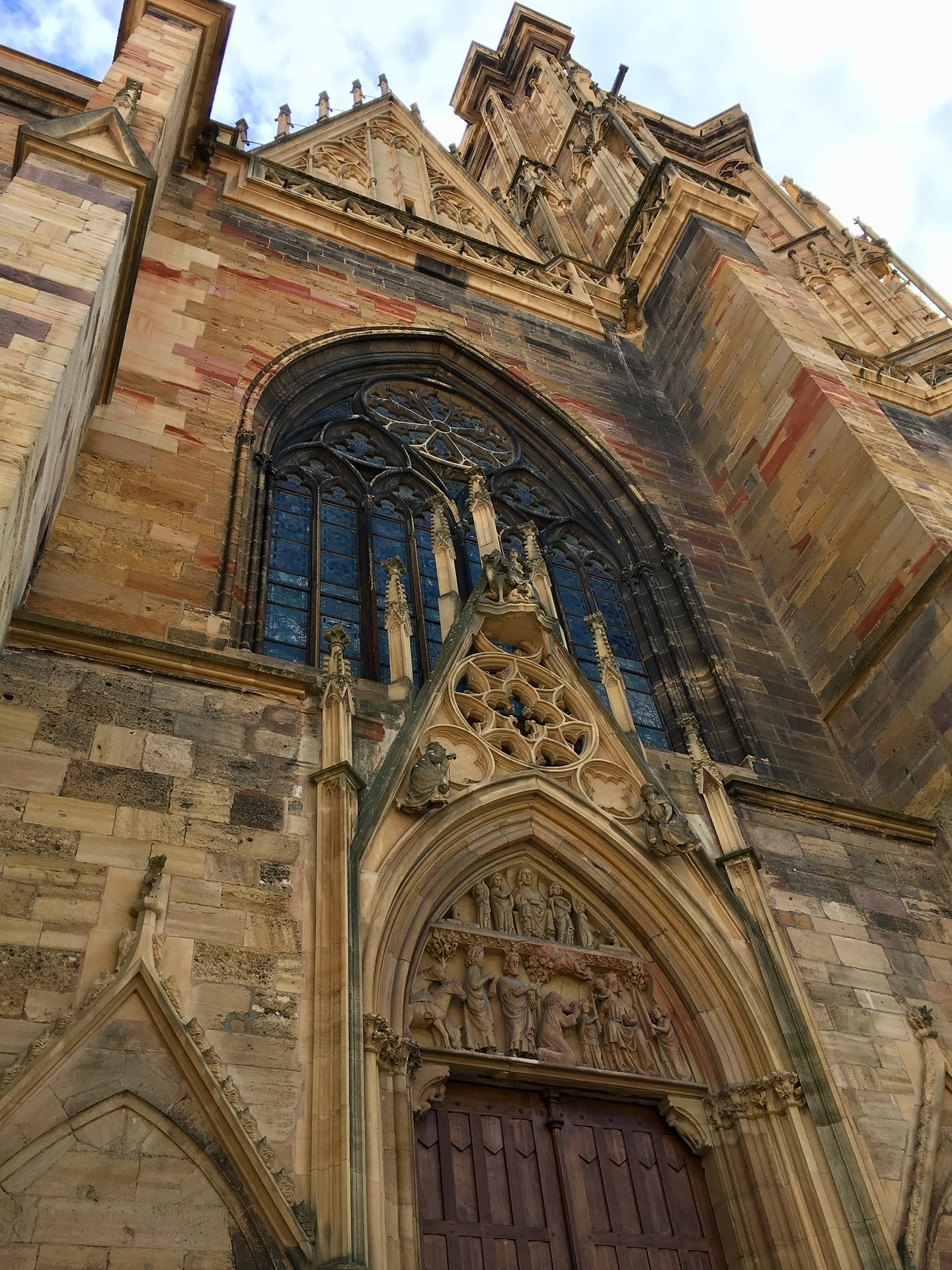
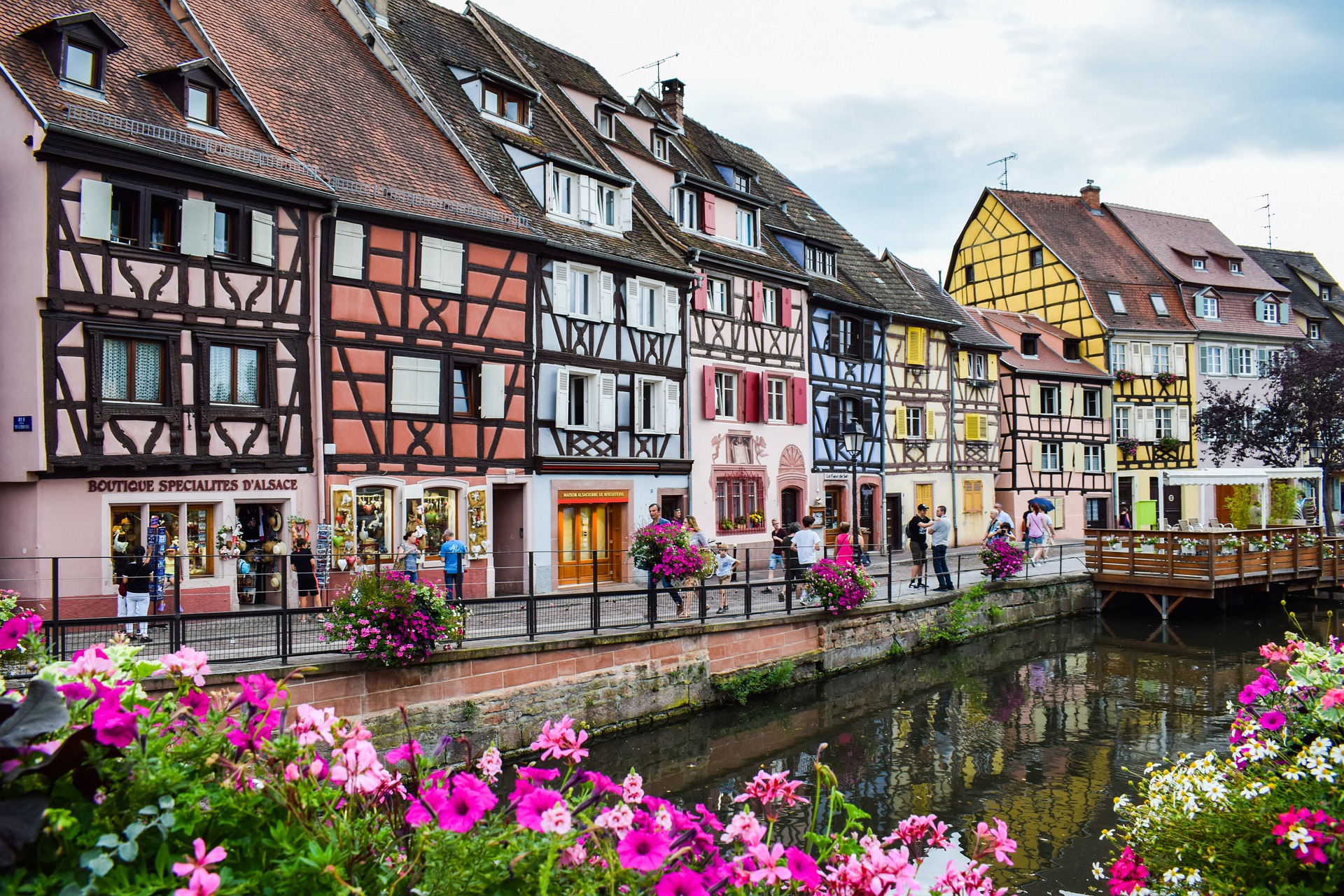
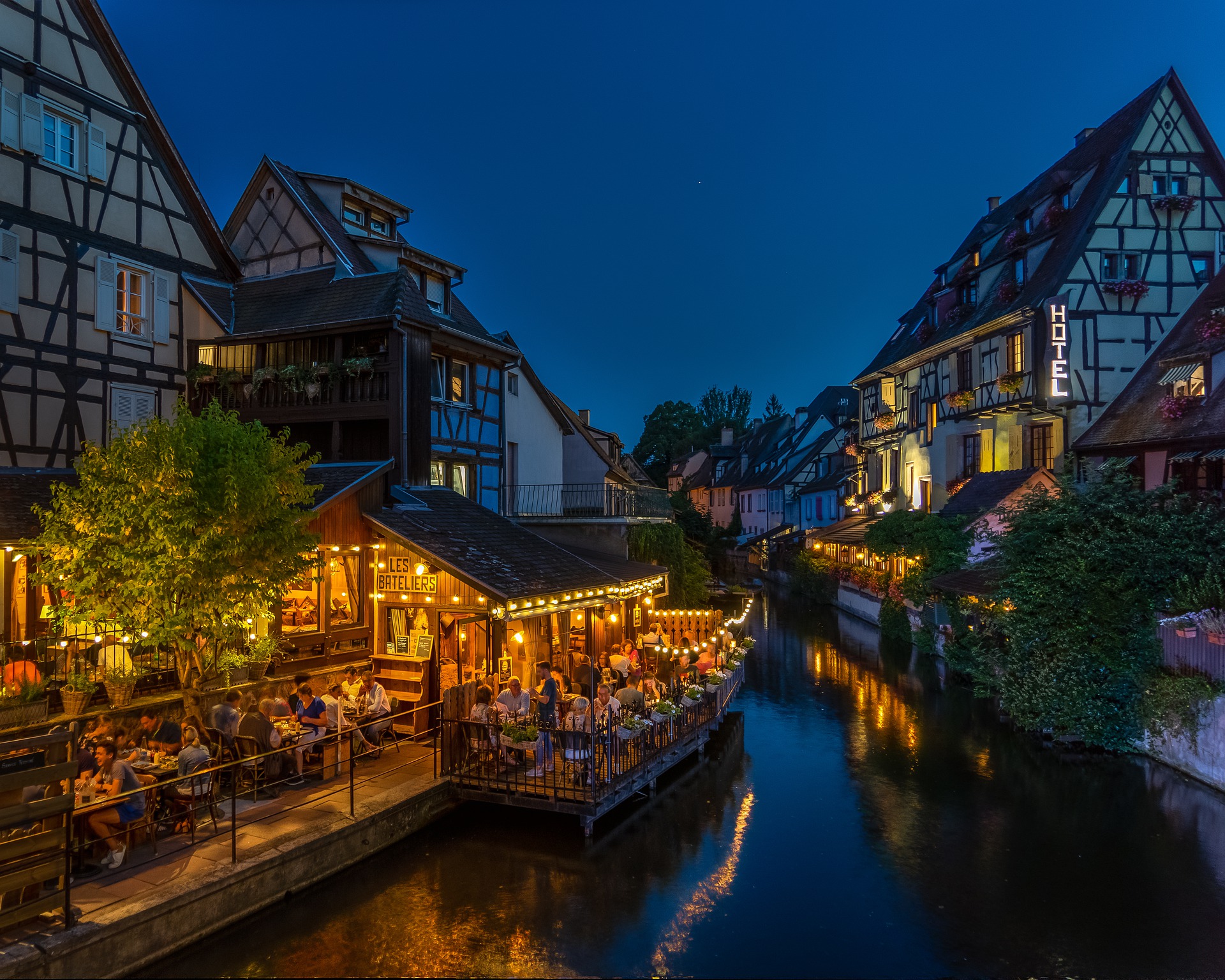
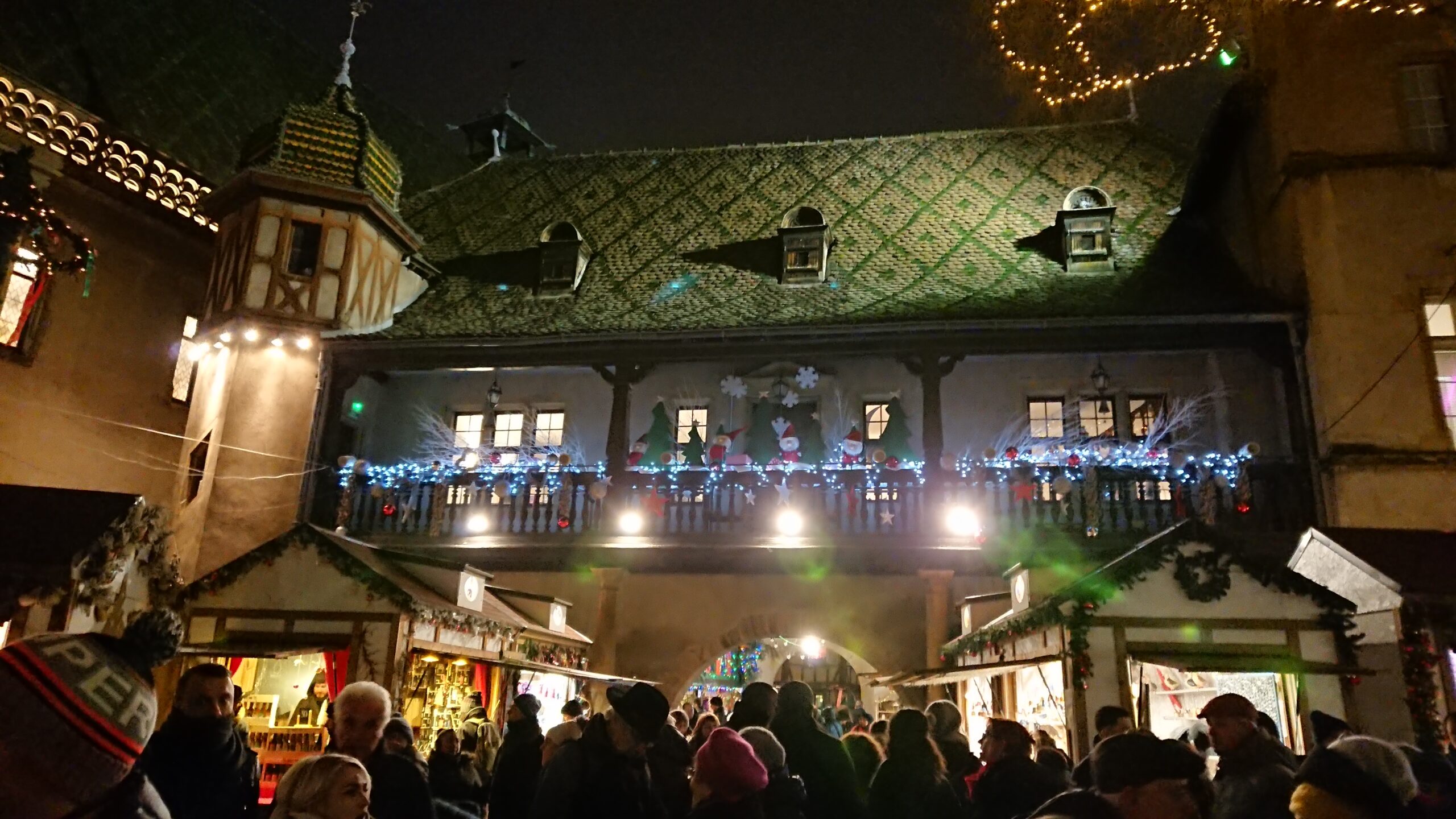
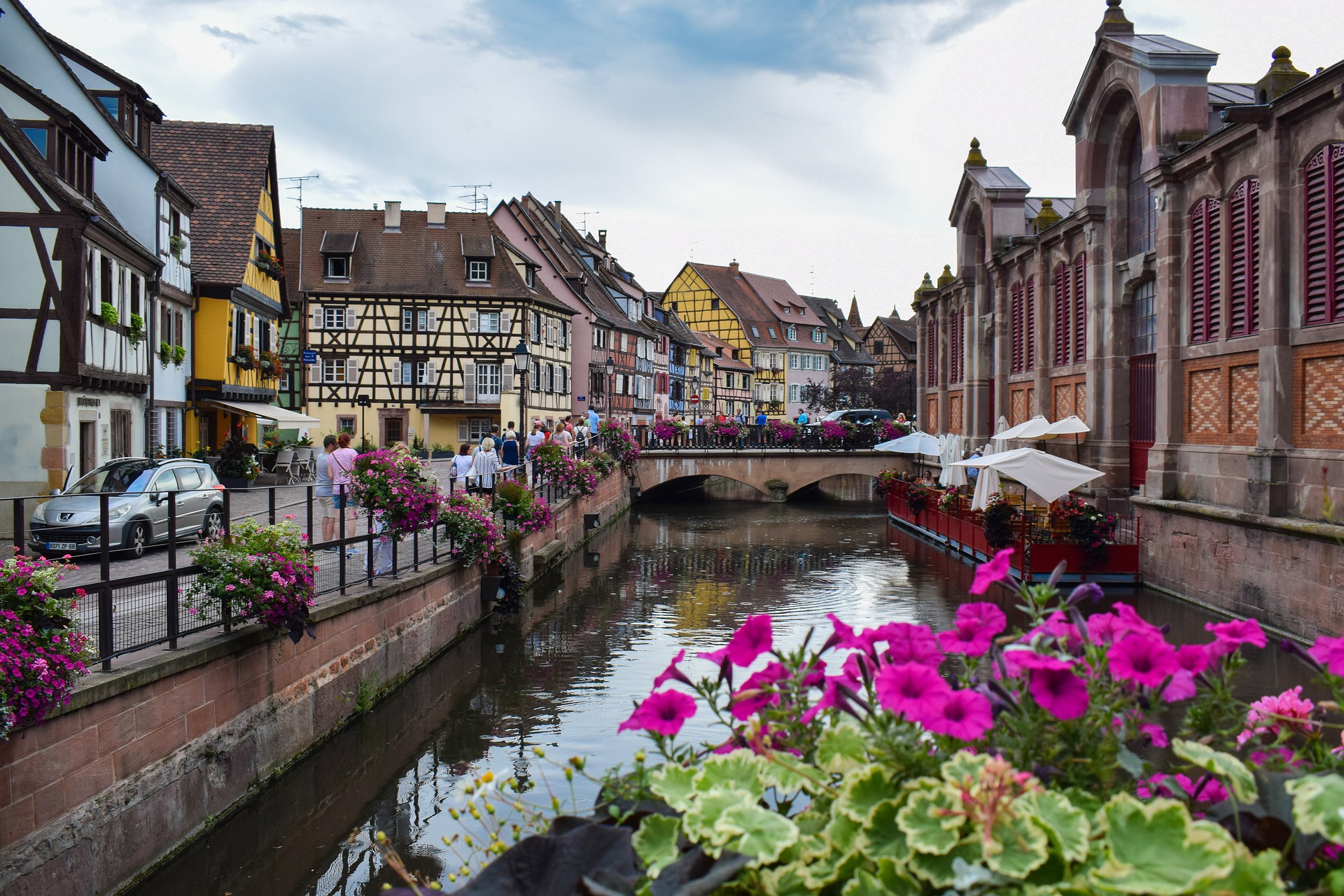


LUXEMBURG

Caught between France , Germany and Belgium , Luxembourg mixes the 3 cultures. Luxembourg has 600,000 inhabitants and covers an area of 2,586 km2, making it one of the smallest sovereign nations in Europe. French and German are the official languages, and Luxembourg has long been an intermediary between its big neighbors. But the network of influences has also enriched the mini-state (with castles in Germanic and Latin styles) and given rise to a lively gastronomic scene (13 starred restaurants, Moselle wines, etc.). According to some studies, the citizens of the Grand Duchy are among the richest in the world.


Gastronomie
Gastronomic specialties:
Luxembourgish gastronomy is divided into two categories: traditional cuisine which is similar to peasant cuisine and cuisine of more international inspiration which is often found in starred restaurants. Among the traditional dishes of Luxembourg is Kuddelfleck , a dish made from tripe first cooked then breaded and fried. Ardennes ham as well as smoked pork accompanied by broad beans are all examples of flagship dishes of Luxembourg gastronomy.
Luxemburg city
The city of Luxembourg, capital of the Grand Duchy of Luxembourg, has an incredible cosmopolitan character. The upper town, a historic and traditional district, is perched on a rocky plateau surrounded by river valleys. The Kirchberg plateau, on the other side of the Alzette valley, is the modern and contemporary seat of many European, cultural and financial institutions.
The city has created a circuit called Museumsmile . This smile-shaped trail runs through the city’s rugged topography for just under a ‘mile’. The proximity, the diversity and the singular character of the 7 museums which compose it constitute the attraction for this course. Located in the heart of the city, 5 establishments are easily accessible on foot:
- the Villa Vauban , in the middle of the town square, houses the paintings of the old masters
- the National Museum of History and Art presents the historical and archaeological heritage of Luxembourg, as well as the national art collections
- the Lëtzebuerg City Museum traces the history of Luxembourg City
- the Casino Luxembourg offers an overview of new trends in contemporary art
- the National Museum of Natural History , located in the Grund district, offers an unusual approach to natural history, evolution and biodiversity.
A fifteen-minute walk from the city center (from the Grund, the path climbs steeply through the wooded coasts of Kirchberg), the visitor plunges into the brand new Dräi Eechelen Park, home to two adjacent museums:
- the Dräi Eechelen Museum dedicated to the world heritage of the Fortress of Luxembourg
- the Museum of Modern Art and its contemporary art collection and temporary exhibitions
If the history of the Grand Duchy interests you, we advise you to visit the fortress of Luxembourg. The military and civilian buildings define the architectural framework of the old town, a UNESCO World Heritage Site. To immerse yourself in this heritage, visit the casemates, the ramparts path (cornice), the Dräi Eechelen Museum, the military works preserved in public parks and walks, etc.
The Grand Ducal Palace , the official seat of the Head of State, reflects, through its facade, the influence of the Hispano-Moorish style in our regions. From a tourist point of view, it has remained attractive since its restoration in 1995. Between July and September, the palace opens its doors for guided tours organized by the Luxembourg City Tourist Office . Not to be missed from June to September: the solemn changing of the guard.
Parks and gardens
A quarter of the city’s territory is occupied by a lot of parks, making the capital a green city where it is good to stroll and stroll. Selected pieces.
Edouard André municipal park
This English municipal park, designed by the landscape engineer Édouard André, is a true green setting in the heart of the city. Ideal for recharging your batteries.
Pétrusse Parks
Laid out in a romantic spirit, the Pétrusse parks, located in the valley of the same name, have a route that winds through the city, offering a view of the cliffs, bridges and the river flowing in the valley.
Arboretum in Luxembourg-Kirchberg
The arboretum, with a collection of 450 species and varieties, extends over 30 hectares through the 3 public parks of the Kichberg district: The Central Park, Réimerwee and Klosegrënnchen. Since 1994, trees and shrubs from all over Europe and neighboring regions have been planted there, creating a green ribbon of boulevards planted with alleys and side alleys.
Merl-Belair Park
Located a stone’s throw from the center, the Merl-Belair park is the perfect place for families with children: playground, meadows by a pond or water basins.
Rose trail
In Limpertsberg, a garden district covered with roses, a pedestrian circuit called the “Sentier des roses” leads today through the landscape and architectural heritage of this district. Not to be missed: Tony Neuman Park. It presents a collection of sculptures, some of which were created by renowned Luxembourg sculptors.
Markets and popular festivals
The city of Luxembourg is full of typical popular festivals such as the Emaischen or the Schueberfouer, the largest popular festival in the Duchy, and markets that follow one another over the years. If the bi-weekly markets at Place Guillaume II delight lovers of local products, the flea market plunges you into the atmosphere of fleas.
Shopping and crafts, what to bring back?
Shopping is relaxed in Luxembourg. The many modern yet welcoming shops that line a large pedestrian area provide a safe environment for visitors. In addition to large shopping centers, Luxembourg is also home to markets which are held once or twice a week. These friendly places are the ideal places to admire local products such as wine and cheese. Handicrafts can be found in these places as well as at garage sales or in specialized shops.
As taxes are lower than in other surrounding countries, it may be wise to visit international luxury brands.
Addresses for gourmets:
https://www.brasserieschuman.pro/
http://hotel-leplacedarmes.com/fr/
https://www.tailorsconcept.com/
https://www.kaempff-kohler.lu/
Tourist office website: Luxembourg City Tourist Office
CHAMPAGNE
(Haute-Marne)

Haute-Marne is a department in the north-east of France. Its capital is the town of Chaumont.
The economy of the department is oriented towards the sectors of industry and agriculture. Thanks to the numerous forests present in the department, wood has taken an important place in the economy of Haute-Marne.
Impregnated with the memory of famous people, Haute-Marne is illustrated with its rich heritage. Many are the religious vestiges, monuments, buildings, statues, which make up the department. Haute-Marne has a real historical heritage and a rich heritage. Its history is illustrated by its famous monuments such as the Mausoleum or the Gallo-Roman Villa, located in Faverolles and Andilly-en-Bassigny. Without forgetting the Fort Bévaux and the Dolmens of the city, in Nogent. You can also go to Colombey-les-Deux-Eglises and visit the village where Charles De Gaulle rests.


Gastronomie
Gastronomic specialties:
Caisse de Wassy: Caisses de Wassy are sweet treats that date back quite a long way and have been enjoyed for a very long time now. In fact, it is said that Mary Queen of Scots could not get enough of these little treats which came directly from Haute-Marne. Light and sweet, caisses de Wassy are small almond meringues with a pale golden colour, placed in little paper cases (“caisses” in French), from which they get their name. Traditionally, this speciality is made from sugar, eggwhite, almonds and vanilla extract. These meringues go very well with ice cream or with coffee at the end of a meal.
Wines and drinks :
Le territoire haut-marnais est à la confluence de plusieurs régions. On retrouve cela dans ses vins.
Wines of Coiffy.
Wines of Montsaugeon.
Le rubis de groseilles: Redcurrant ruby: made from fermented redcurrant juice, it is a reddish-colored aperitif liquid (still or sparkling depending on where it is produced).
Mirabelle plum and quetsche plum brandy.
Dairy products:
The Haute-Marne is a department of dairy production where the cheese tradition has been anchored for a very long time.
Cheeses:
Langres cheese : Made on the Langres plateau in Haute-Marne, Langres is a cheese made with full-fat cow’s milk, with a soft centre and washed rind, orange-yellow colour and concave shape, carrying the Appellation of Controlled Origin label. This creamy, strong-flavoured speciality is also notable for its characteristic hollow – called a fountain – which forms during the maturing process. You can add a drop of Marc de Bourgogne or Champagne to it according to taste!
Époisses cheese: At the start of the sixteenth century, the village was home to a community of Cistercians at Cîteaux Abbey that, according to oral legend, began production of the cheese. Two hundred years later, when the community left, local farmers inherited the recipe, which developed over the next century. Napoleon was particularly fond of the cheese, and the famous epicure Jean Anthelme Brillat-Savarin classed it as the “king of all cheeses”.
Emmental Label rouge grand cru: This type of Emmental is produced in the area covering the Franche-Comté and Rhône-Alpes regions. It is protected in two ways: with a protected geographical indication (PGI) and a Label Rouge.
The Label rouge guarantees a fruitier taste, as this cheese is made with raw milk taken from cows exclusively fed on grass and hay; its taste is also enhanced by a long three-month maturation period, according to the traditional recipe.
The rind is dry, smooth and very thin. A great number of large holes or « eyes » are spread evenly throughout the homogeneous, shiny, yellow paste.
In Illoud, the Bongrain cheese dairy produces the world-famous cheese specialty: the “Caprice des Dieux”.
“Caprice des Dieux” cheese: it is a heavily soft-ripened cheese made from cow’s milk. Due to its oval shape, blue packaging, smooth and creamy consistency, it looks a bit different. In about two weeks, the cheese attains full maturation with a bloomy rind. Under its velvety skin, it has a pure taste of fresh milk and cream with a buttery, nutty and smooth flavour. This soft cheese has a fat content of 60% and pairs with Red Wine, White Wine and Korbel Natural Champagne.
Bourmont
5km from the B&B, Bourmont, the smallest city in France, appears in history from the 12th century. Erected on its rocky outcrop which earned it the nickname “Mount St Michel of the country”. Strongly affected by the wars of religion, the village has had to strengthen its walls in the 16th century, before being attached to the kingdom of France in the 17th century. Bourmont saw its heyday a century later, before seeing its economy declined with industrialization of the 19th century.
Dominated by the 18th century Notre-Dame church, built on the site of the old feudal castle, you can admire a wide panorama of the valley from the square. Bourmont preserves beautiful monuments recalling the rich hours of the city. The city is also the homeland of big names such as Goncourt, Albin Michel or even Flammarion.
Listed historical monument, the walk of Côna is a great avenue of lime trees from the middle of the 18th century. Everything is embellished with a Calvary built shortly after and a Virgin installed here to commemorate a duel.
Several marked hiking trails suitable for all levels allow you to explore the built heritage of Bourmont and the local flora and fauna.
The Notre-Dame church serves as a starting point for the Côna promenade, offering a unique point of view over the Meuse valley . Very bright inside, it also reveals a very beautiful marble altar.
Located at the foot of a cliff equipped for climbing and ruins of the late eighteenth th century, Rocks Park is a promenade popular with Bourmont. Picturesque, the site reveals an almost wild nature in a romantic and unique atmosphere.
Built in the middle of the 19th century, the church Saint Joseph replaces the Notre Dame of the 18th century. You can discover sections in neo-Gothic style, while inside you will admire Charonnot sculptures. A Stations of the Cross in Limoges enamel also goes around the building. The building, however, retained the portal of the original church of the 12th century, under the choir of the current monument.
You can still admire the chapel of the former Annonciades convent.
The Maison du Bailly, a stylish building has three parts visible from the outside: the main house with very beautiful gargoyles supporting a coat of arms, the wing on the rue du Colonel de Baudel, and the former Vatelottes school.
2 minutes away:
Illoud
The Divine Fromagerie
Cradle of the famous “Caprice des Dieux” cheese, La Divine Fromagerie is designed according to the Caprice spirit: quality, innovation and sharing. Interactive visit and tasting.
https://www.ladivinefromagerie.com/
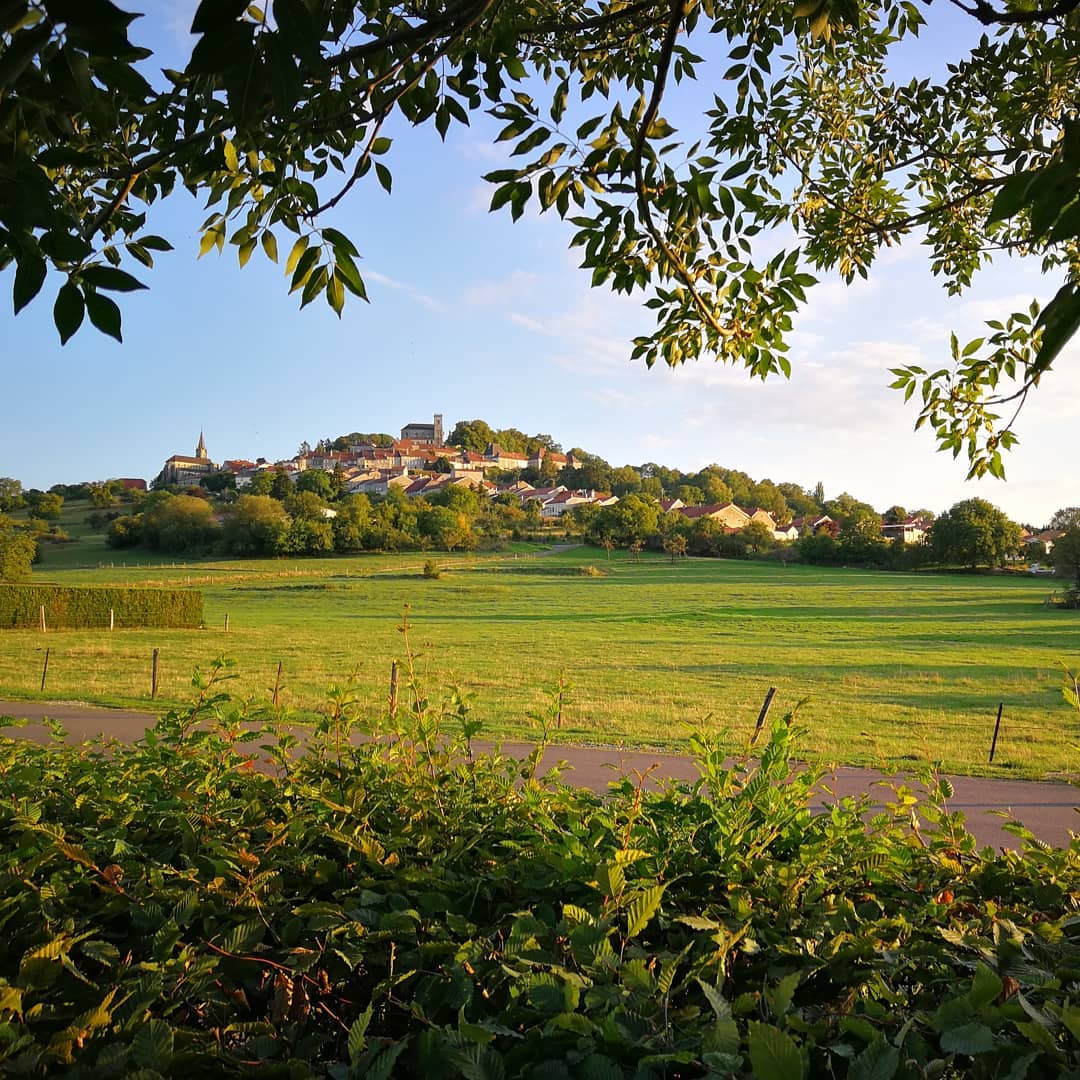
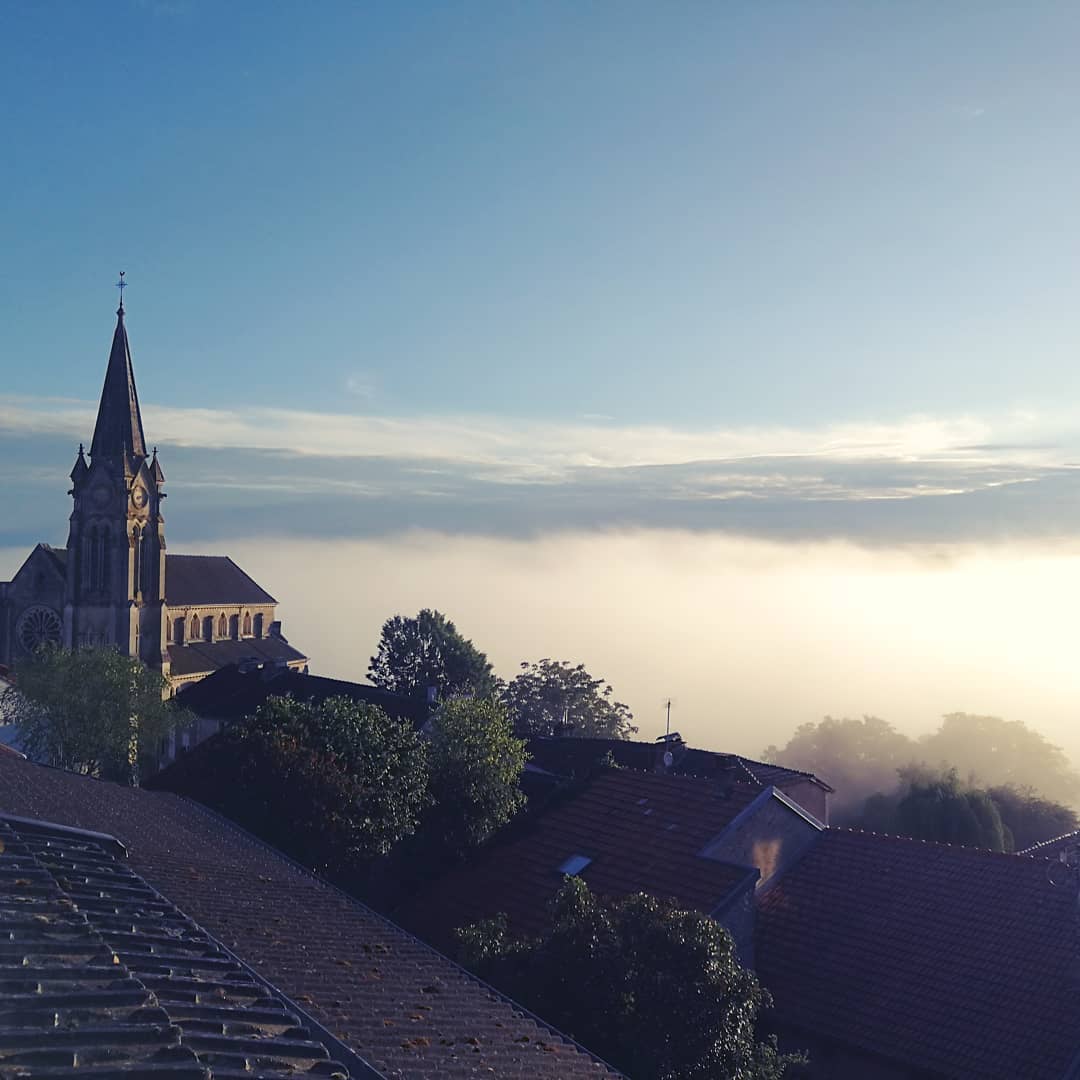
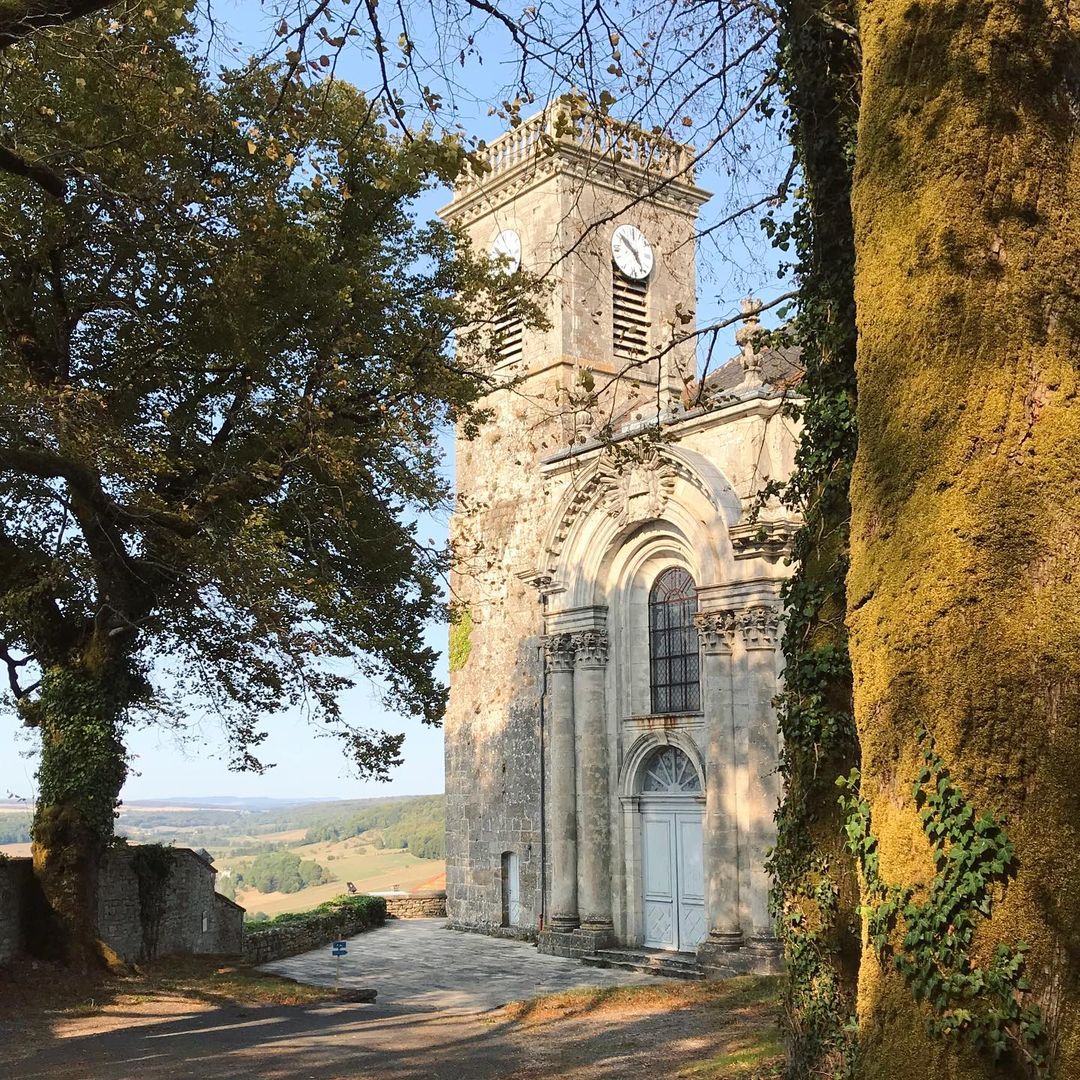
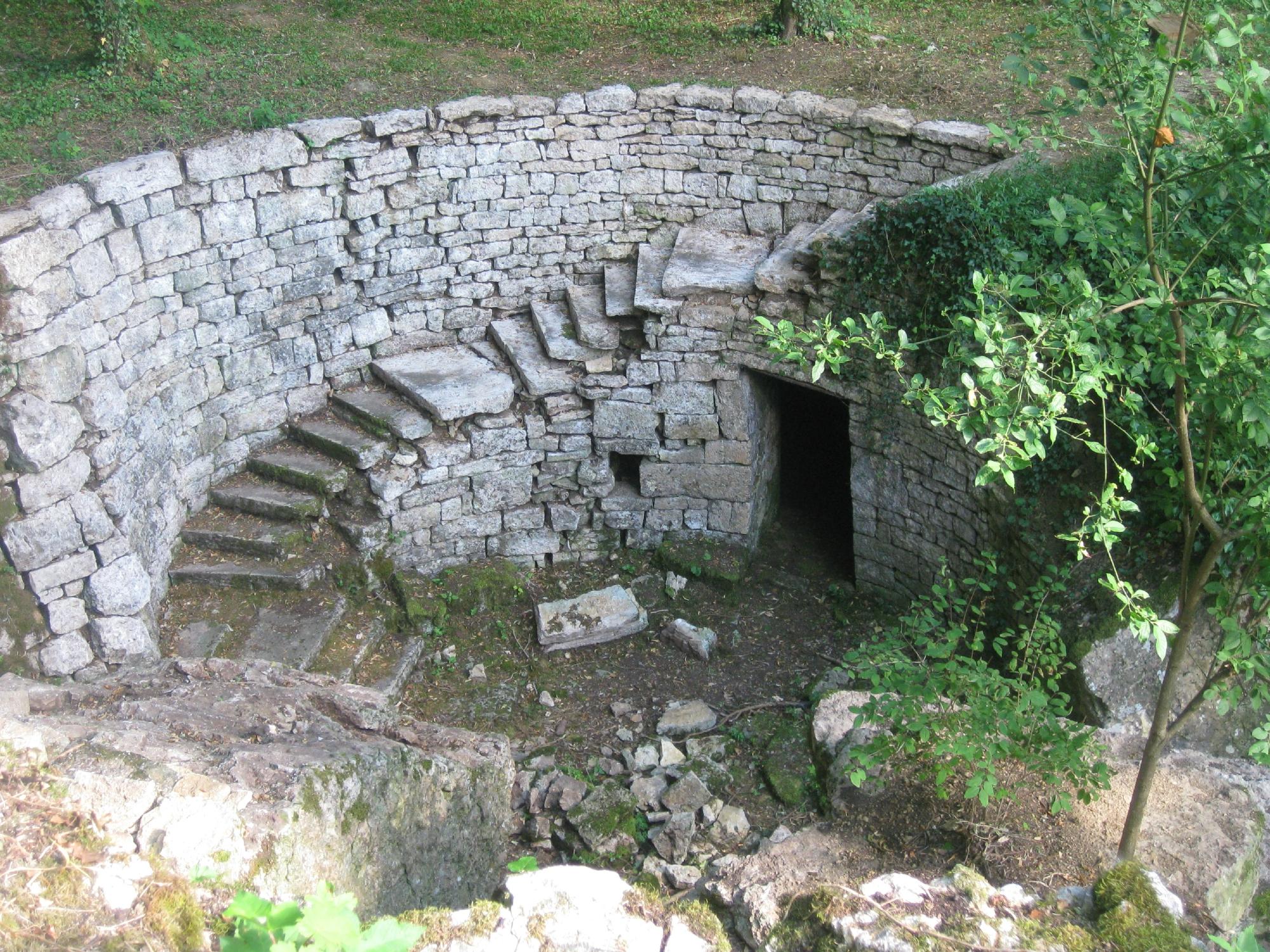
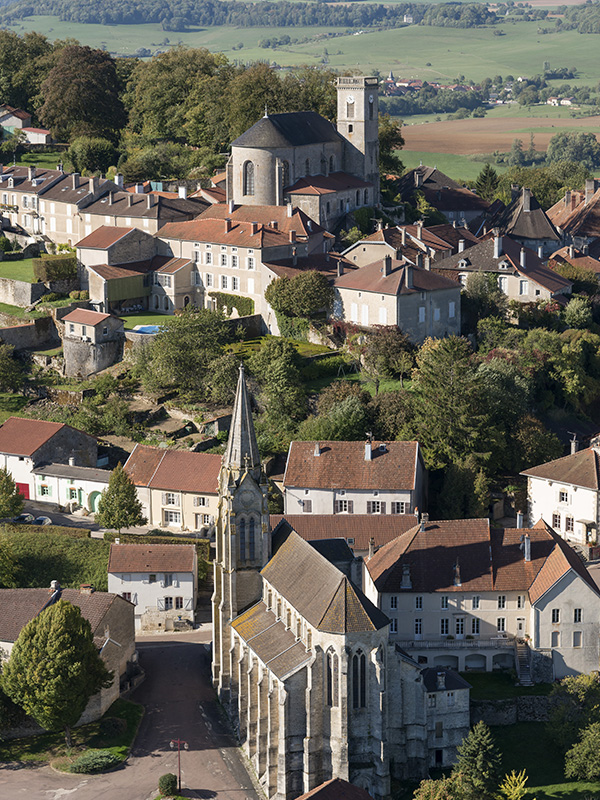
Langres
Langres has less than 8,000 inhabitants. Majestically perched on a rocky promontory dominating the surrounding countryside, the town of Art and History of Langres is, with its medieval, Renaissance and classical heritage, one of the fifty most beautiful towns in France.
It is also the largest fortified wall in Europe! Its ramparts, punctuated by 12 towers and 7 gates, encircle the city. They offer visitors a 3.5 km walkway , overlooking a splendid landscape panorama on a clear day.
Entering the city, one will discover a multitude of architectural curiosities. Covered passages and magnificent Renaissance mansions.
Open to the public, the imposing and powerful Tower of Navarre , with a diameter of 28 meters and a height of 20 meters – and whose walls are 7 meters thick! – houses two vaulted and casemated rooms, as well as a magnificent chestnut wood frame.
Once you have toured the ramparts, continue visiting the birthplace of Diderot , along the ancient streets dotted with elegant mansions. Admire also the Renaissance houses, the Cathedral Saint-Mammès 12th and 18th century and its cloister, instead Diderot, on which stands a bronze statue of the illustrious philosopher Denis Diderot, work of the famous sculptor Frederic Bartholdi …
Not far from the cathedral, the Museum of Art and History Guy-Baillet , modern architecture, offers a nice range of discoveries, from Bacchus mosaic remarkable of the 2nd century, and other archaeological remains, collections paintings, sculptures and decorative arts, through temporary exhibitions of archeology, history or contemporary art.
Another event not to be missed is the Estival des Hallebardiers, on Friday and Saturday evenings in August, with its historic sightseeing tours through the streets of the fortified city.
Culinary specialties:
Made on the Langres plateau, in Haute-Marne, Langres cheese is made from whole cow’s milk, with a soft paste and washed rind, orange-yellow in color and concave in shape, benefiting from a Controlled Designation of Origin. This creamy specialty with a powerful taste is also distinguished by its characteristic hollow – called a fountain – which forms during maturing, where you can, depending on taste, add a touch of marc de Bourgogne or Champagne !
The city’s website: https://www.tourisme-langres.com/
https://www.tourisme-langres.com/
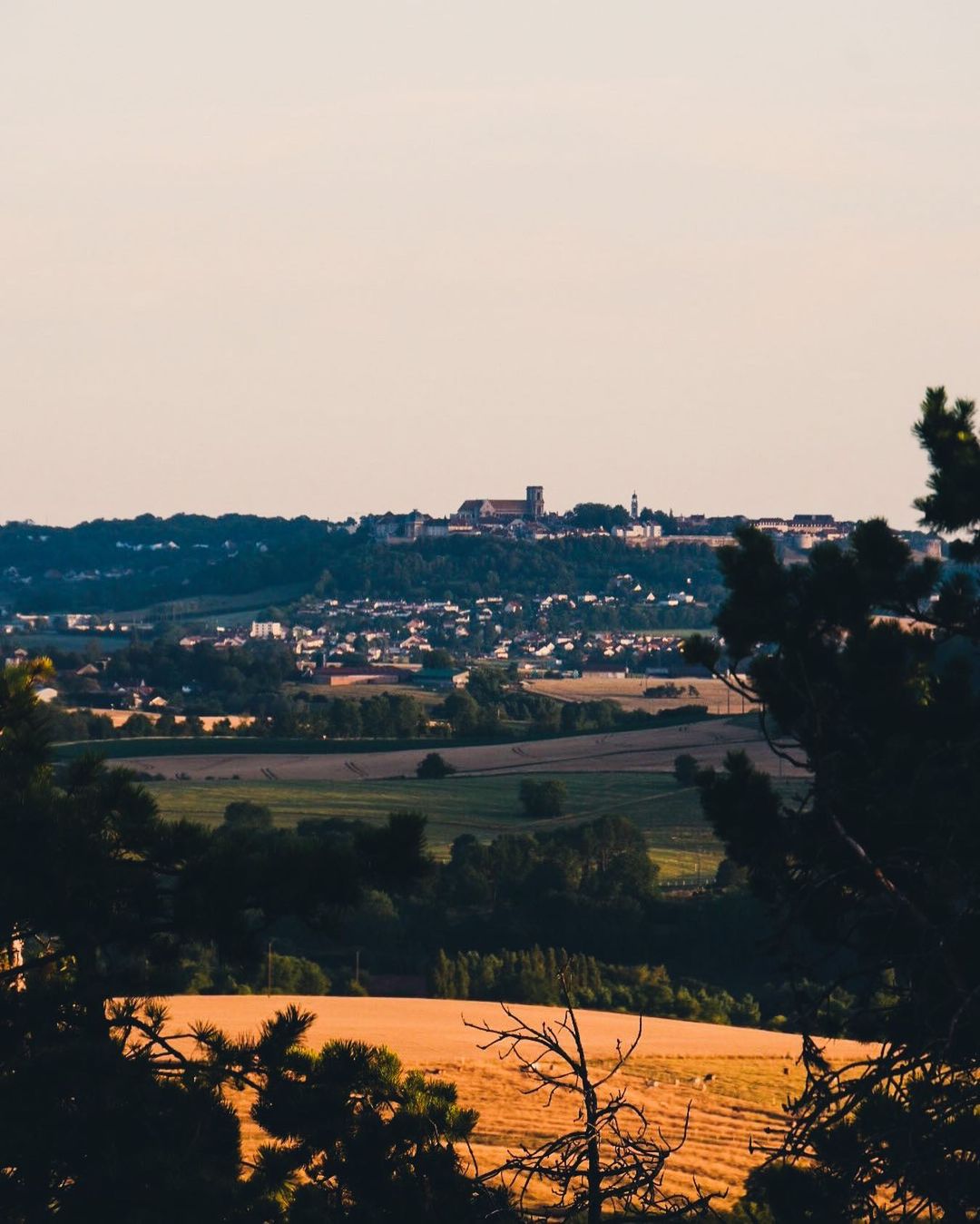
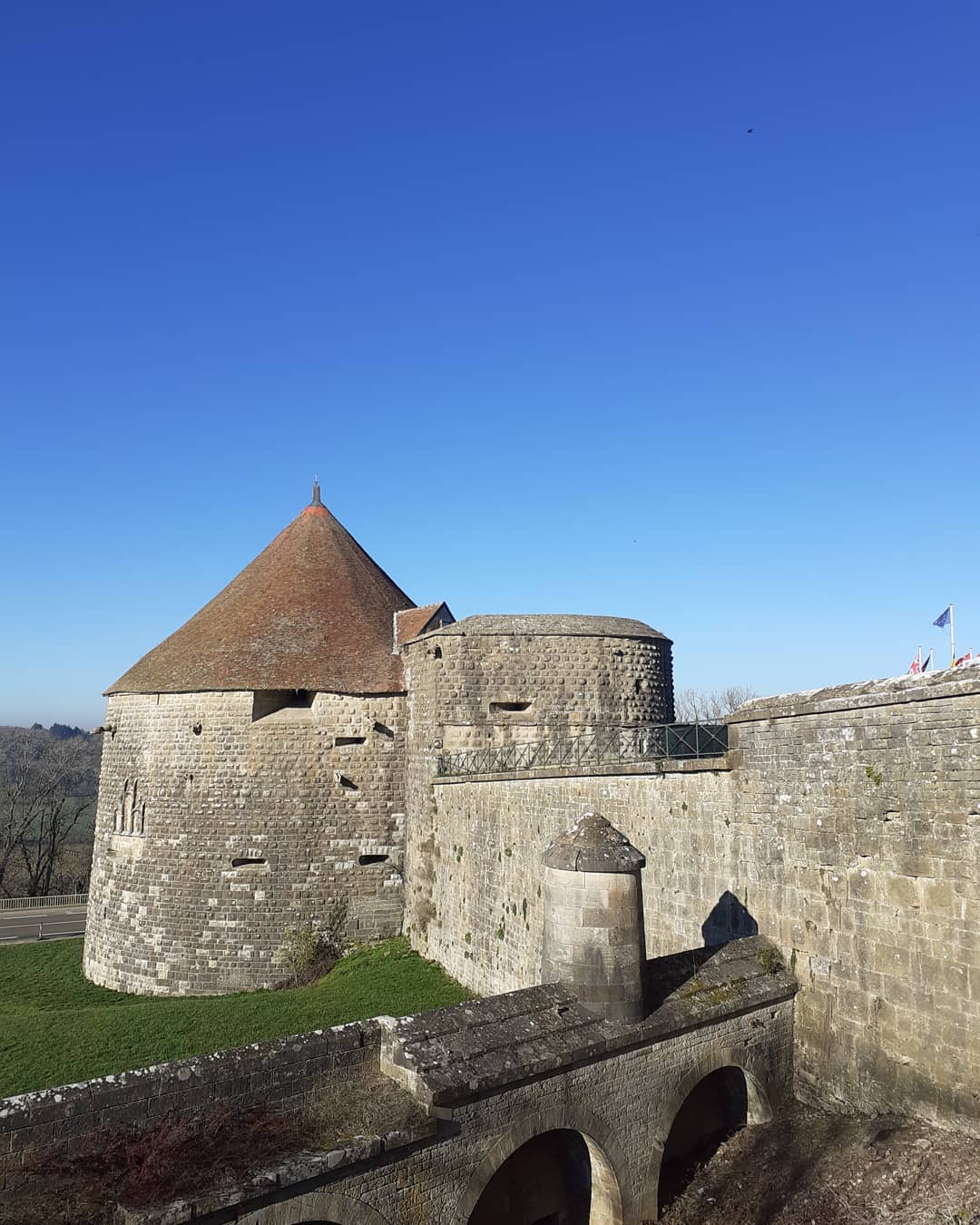
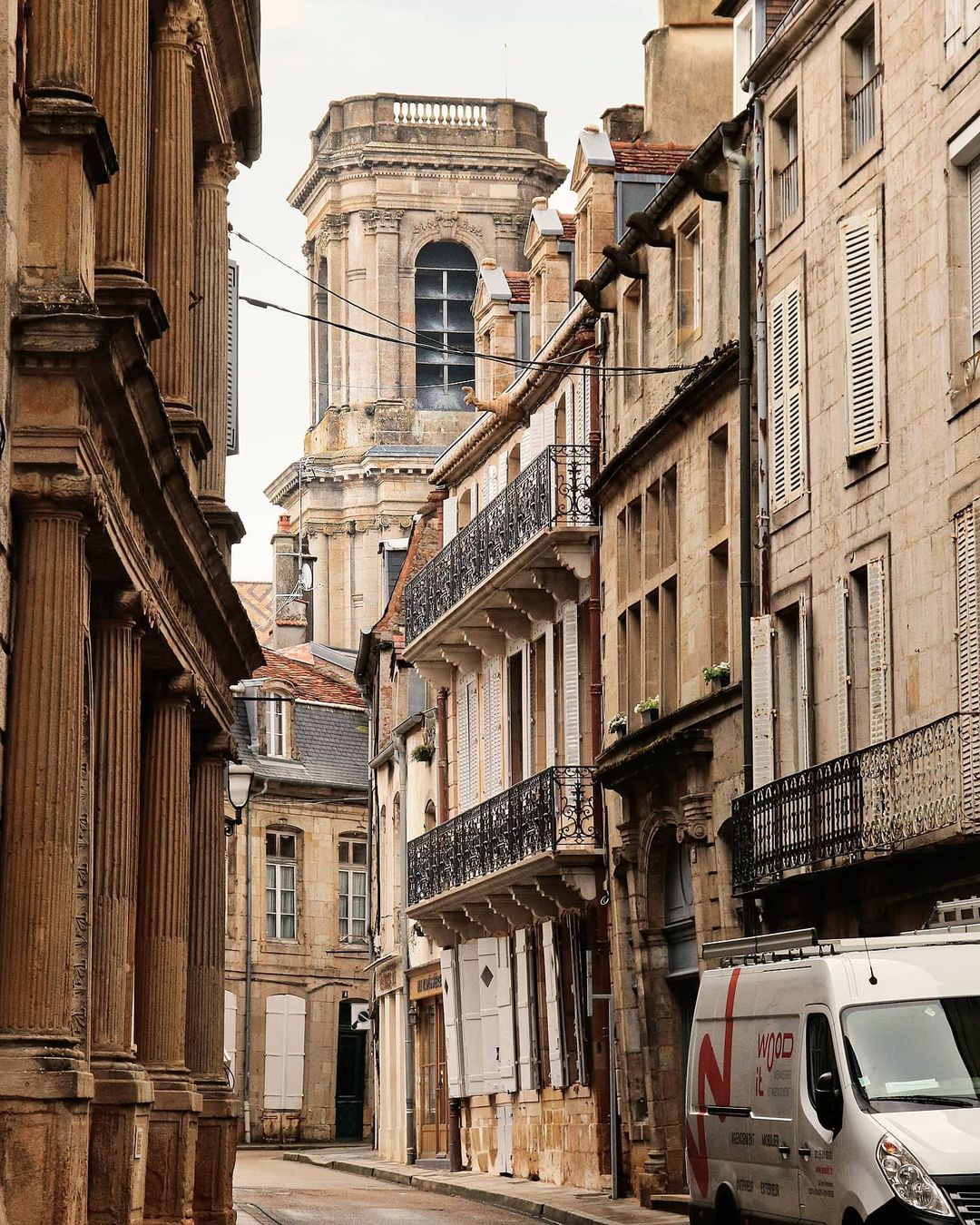
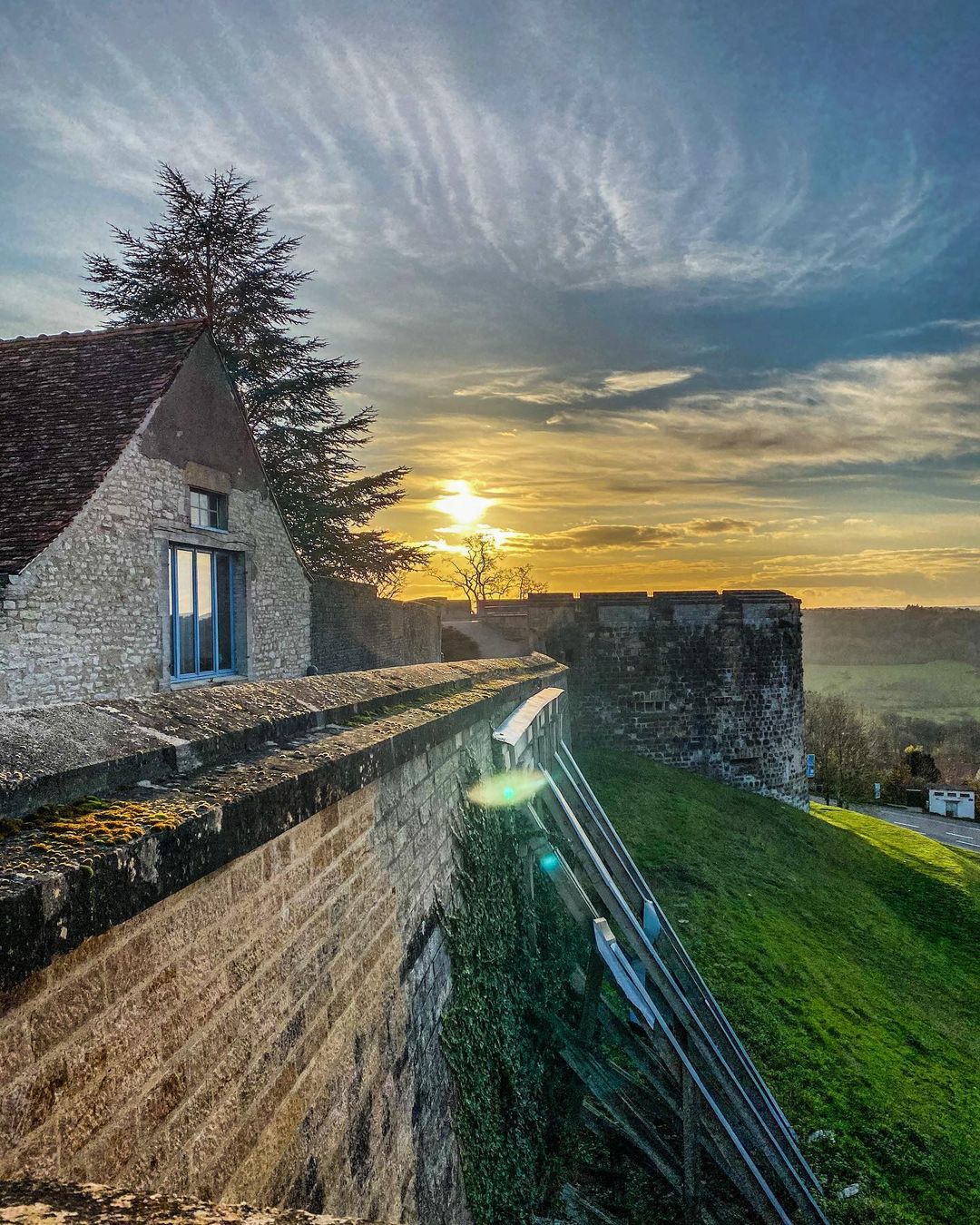
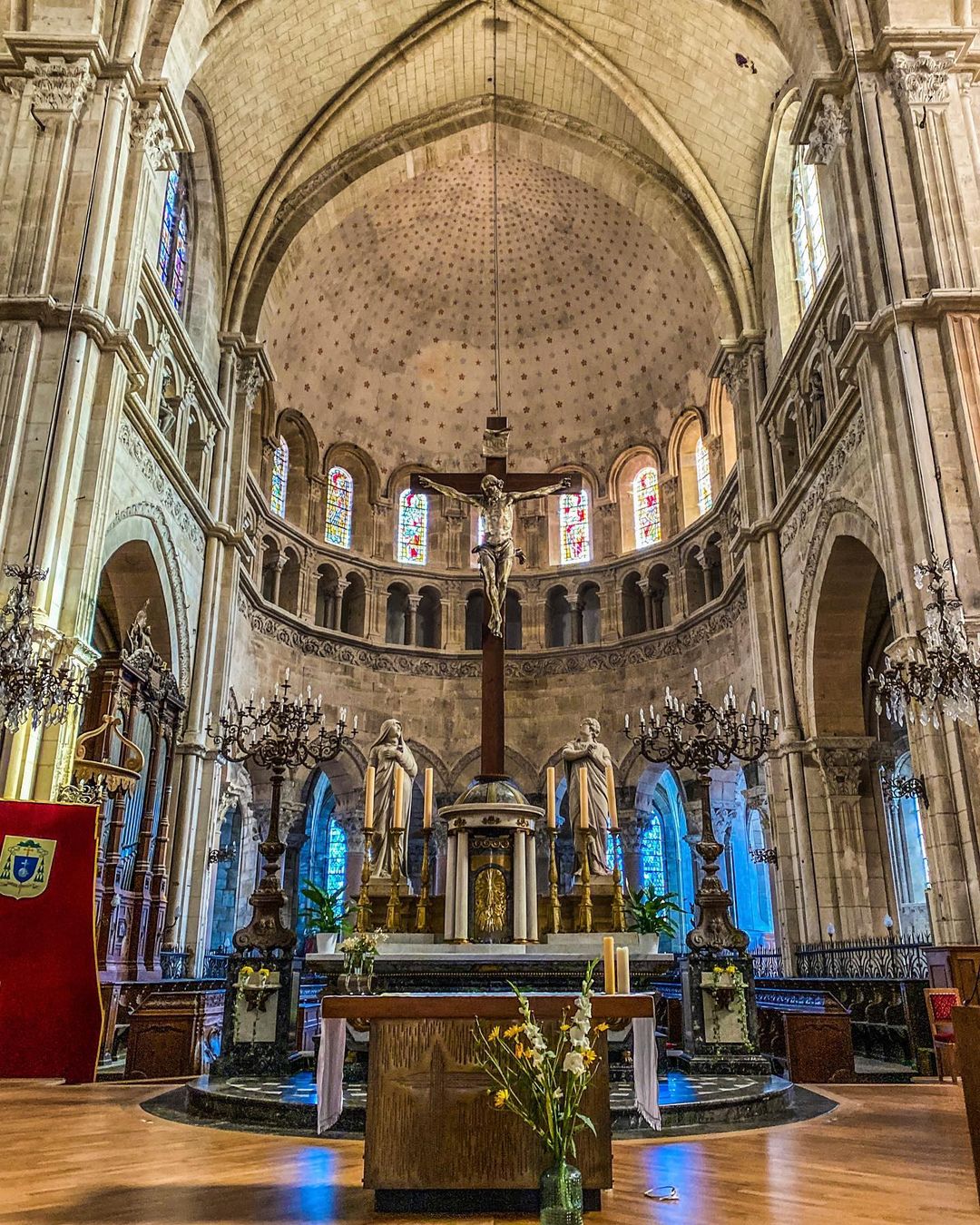
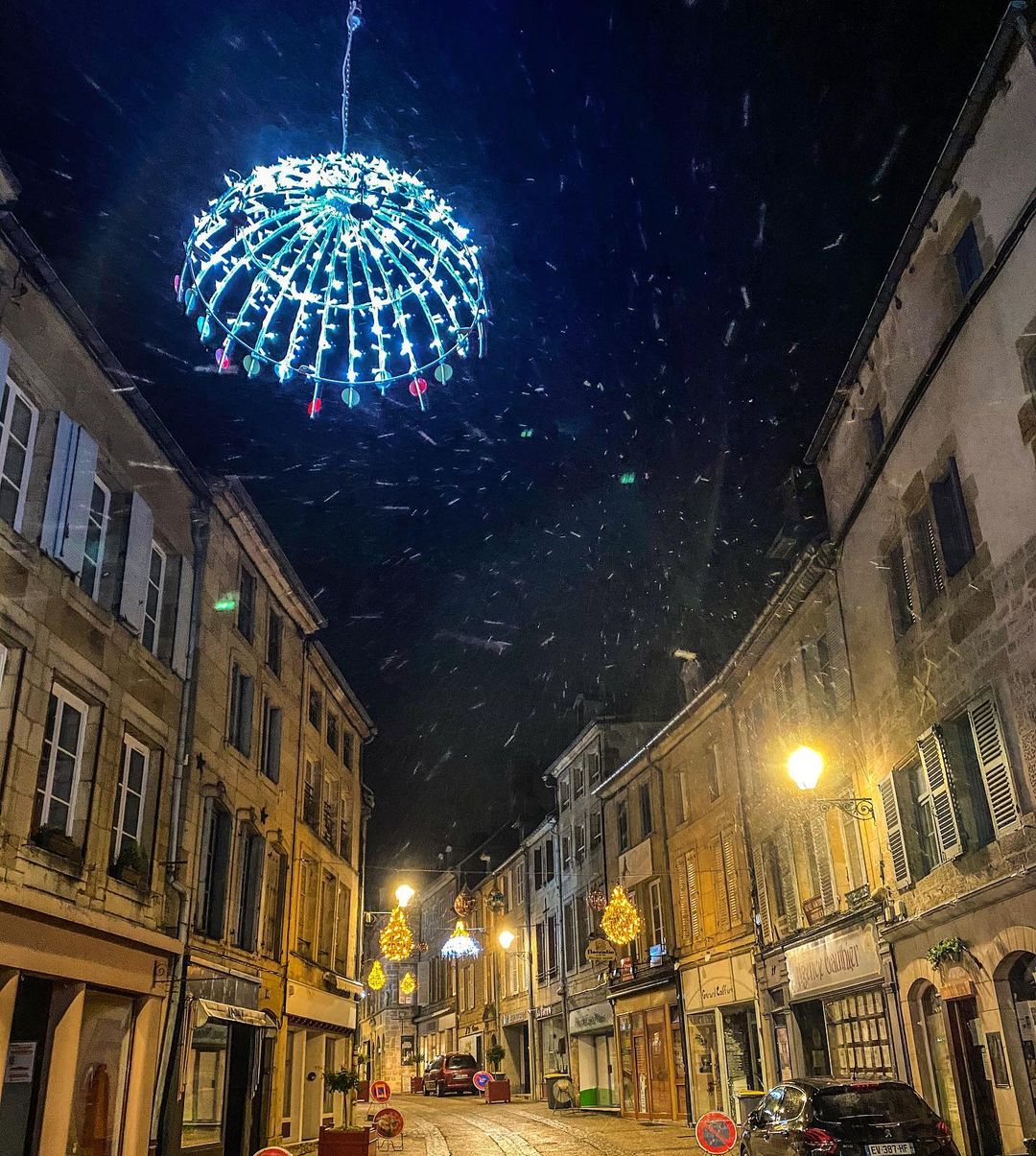
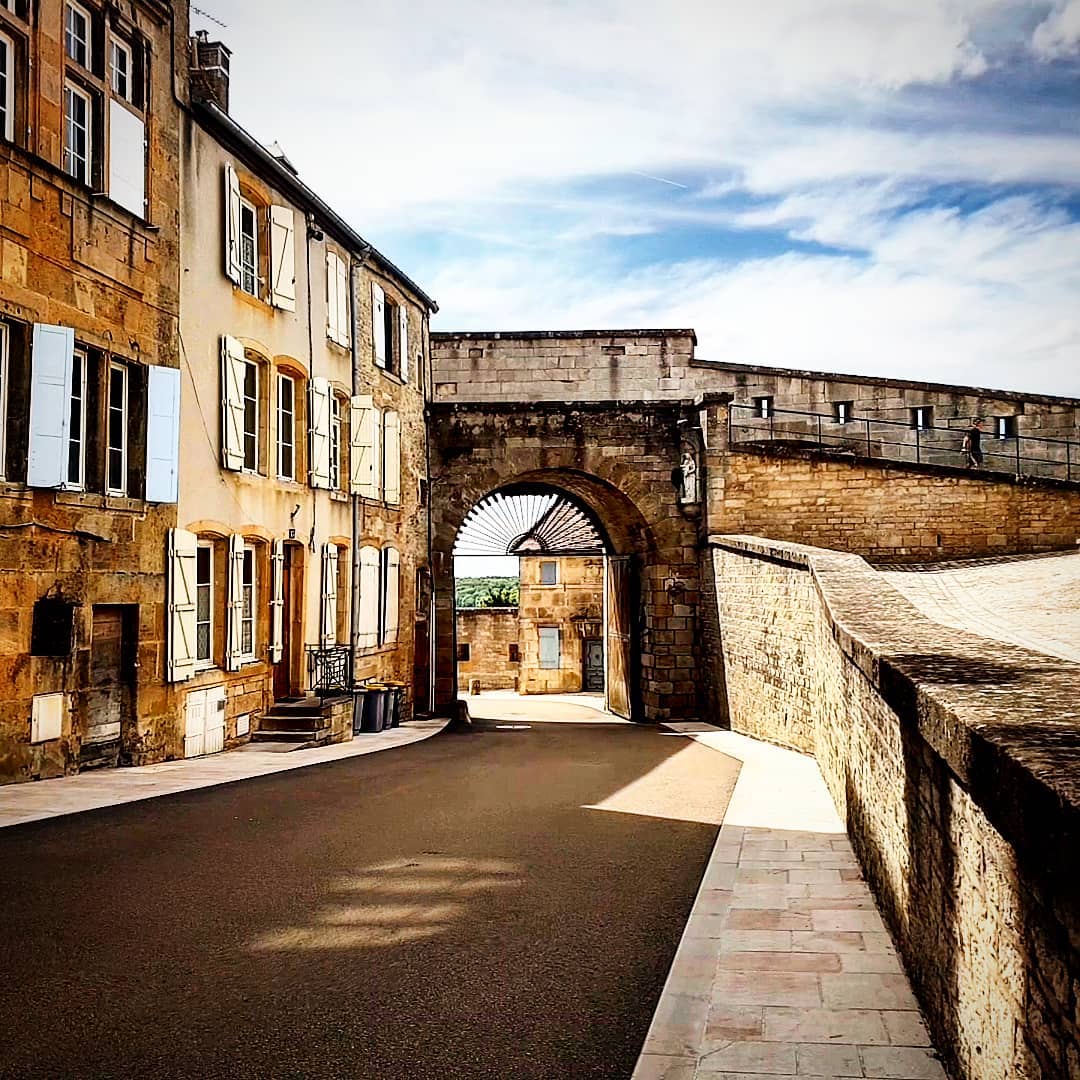
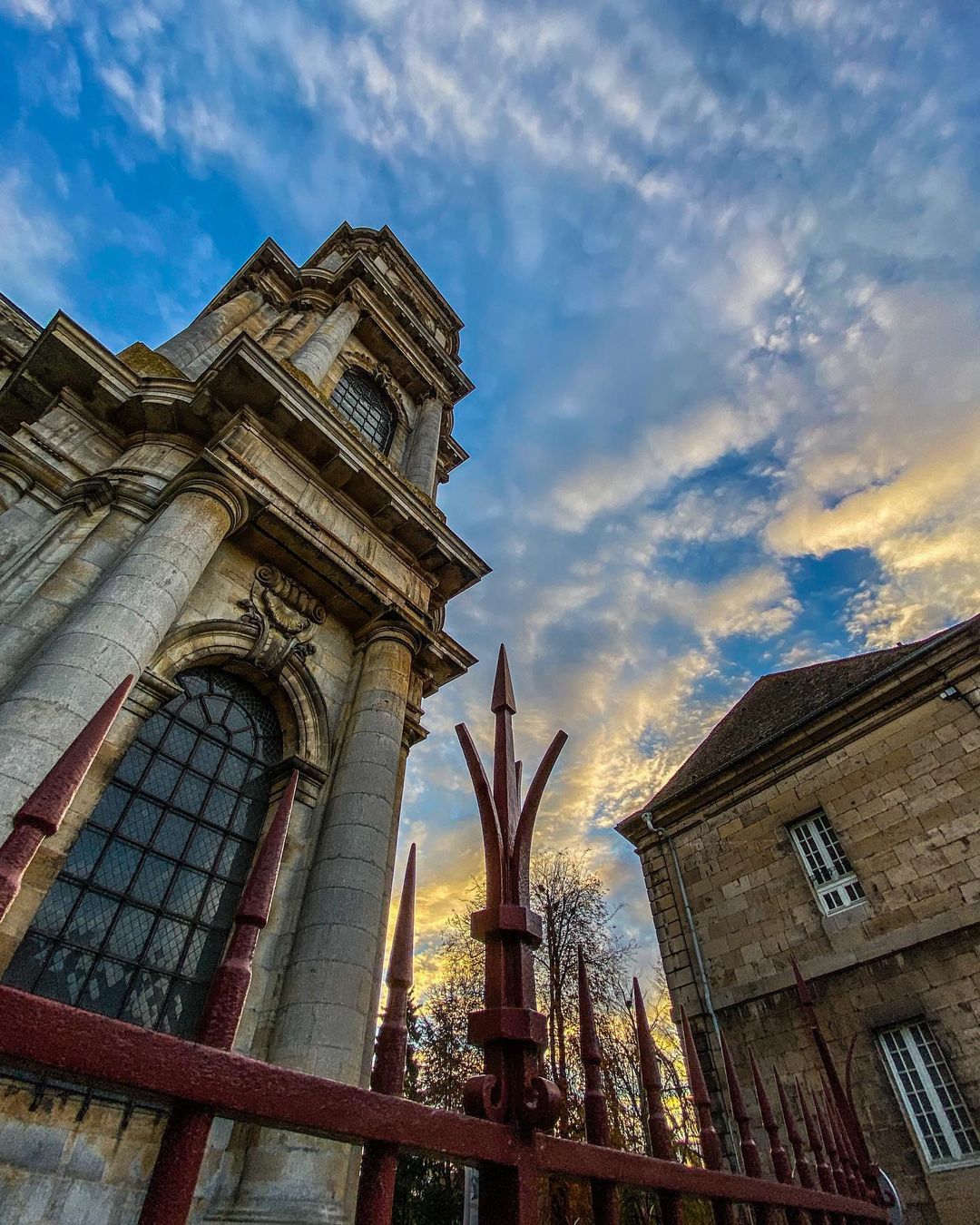
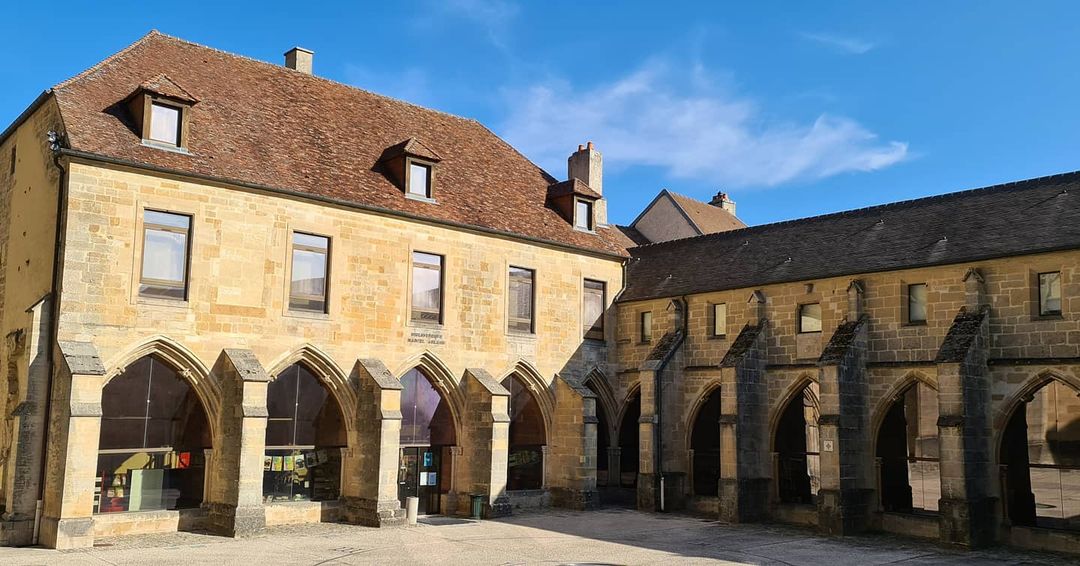
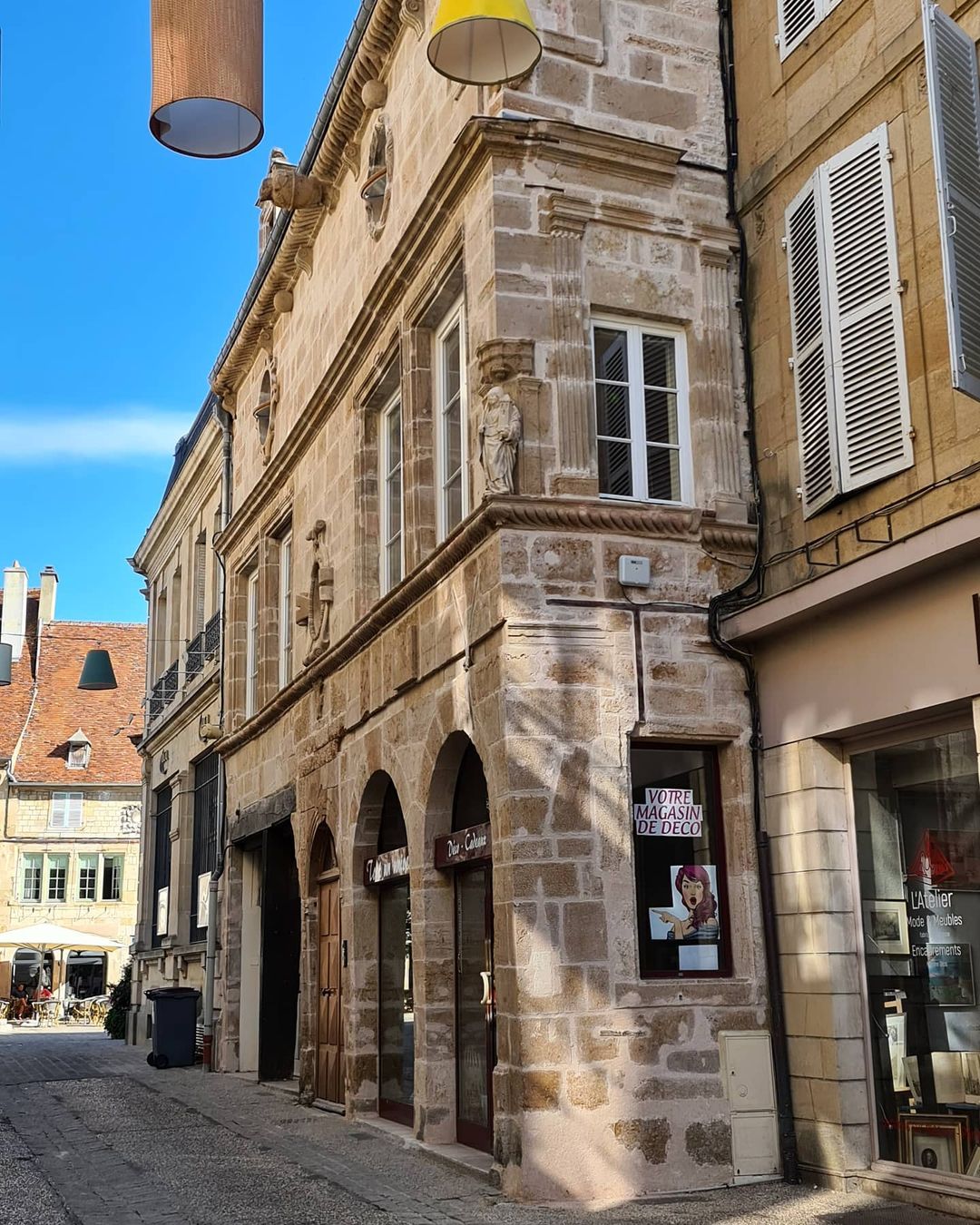
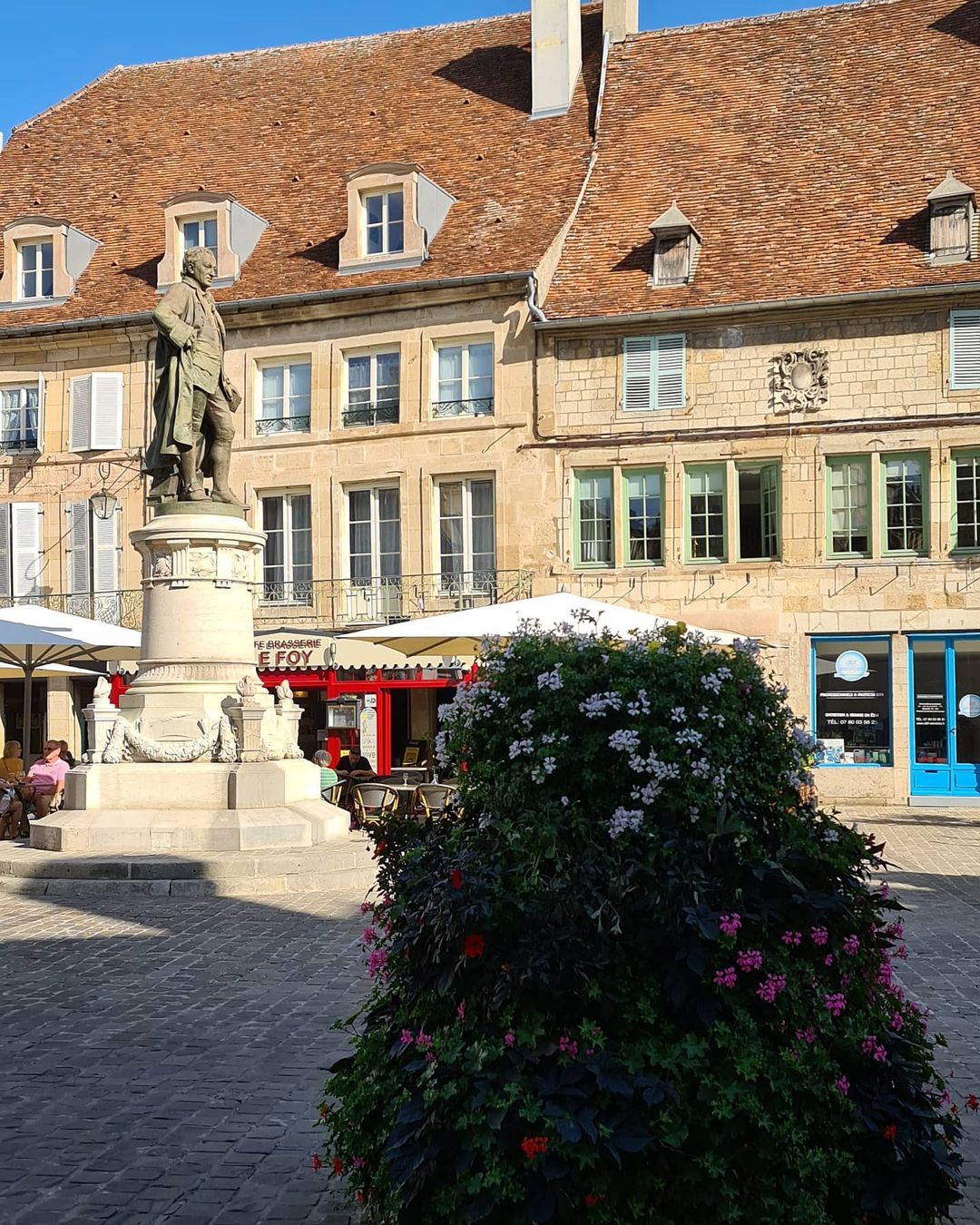
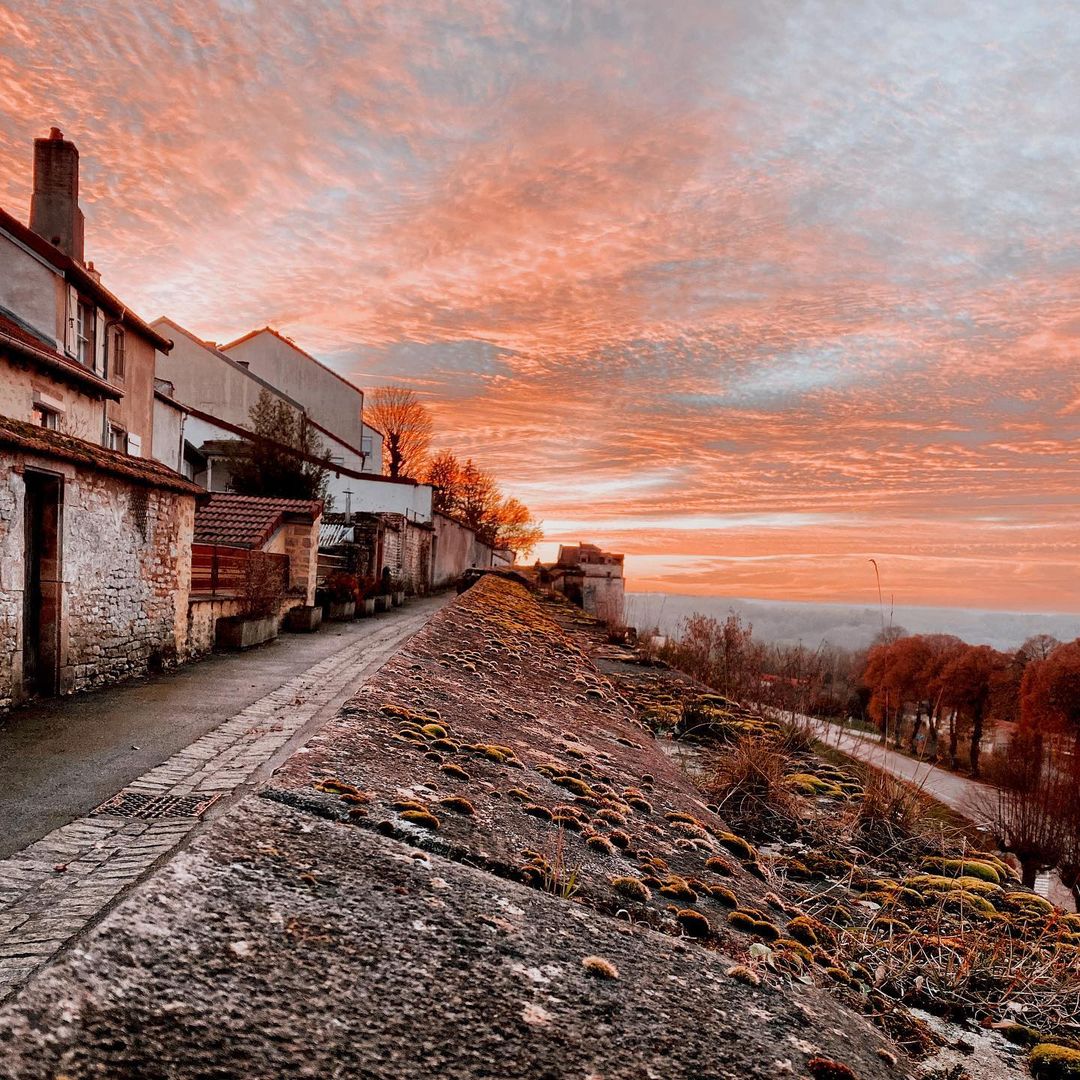
The Château du Pailly
10 km from Langres, the Château du Pailly is one of the most prestigious masterpieces that the Renaissance bequeathed to Champagne-Ardenne. It has been listed as a Historic Monument since 1921.
Inside, you can see the gilded living room with its monumental fireplaces and frescoes around the windows, a room decorated with a trellis fresco and the rise of the main staircase. Two gardens are offered, an orchard divided into six tiles and a vegetable garden that evokes a medieval walled area.
https://en.renaissancechateaudupailly.com/
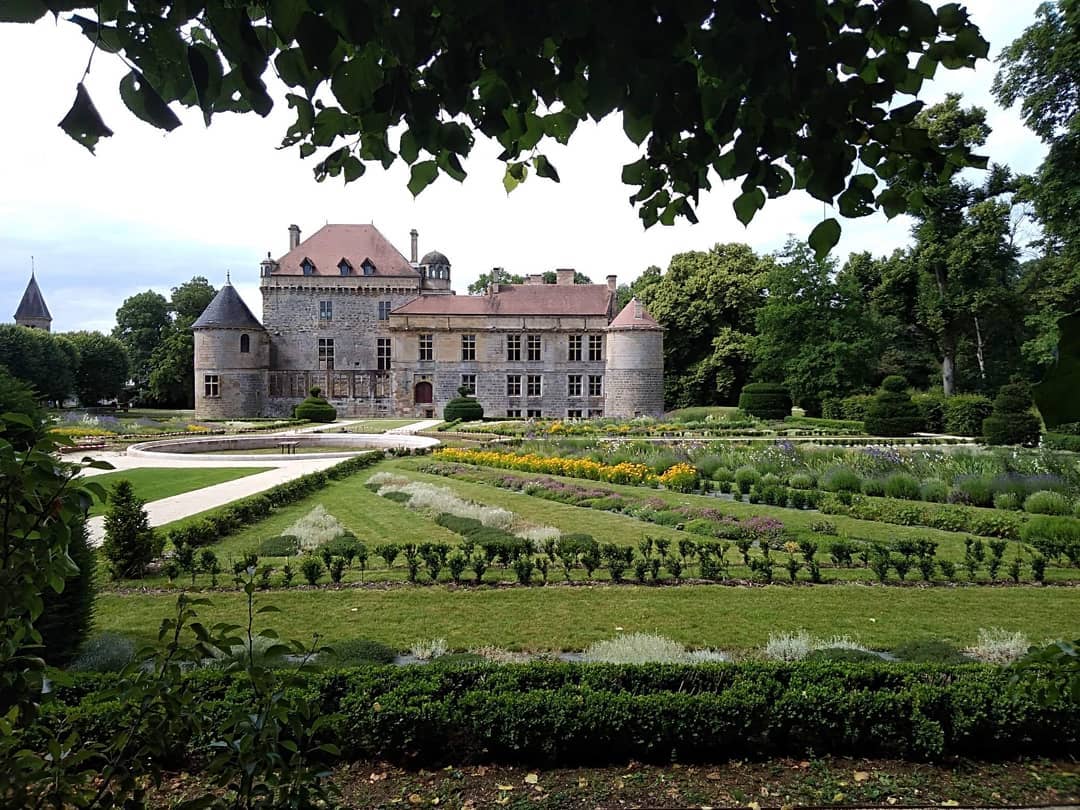
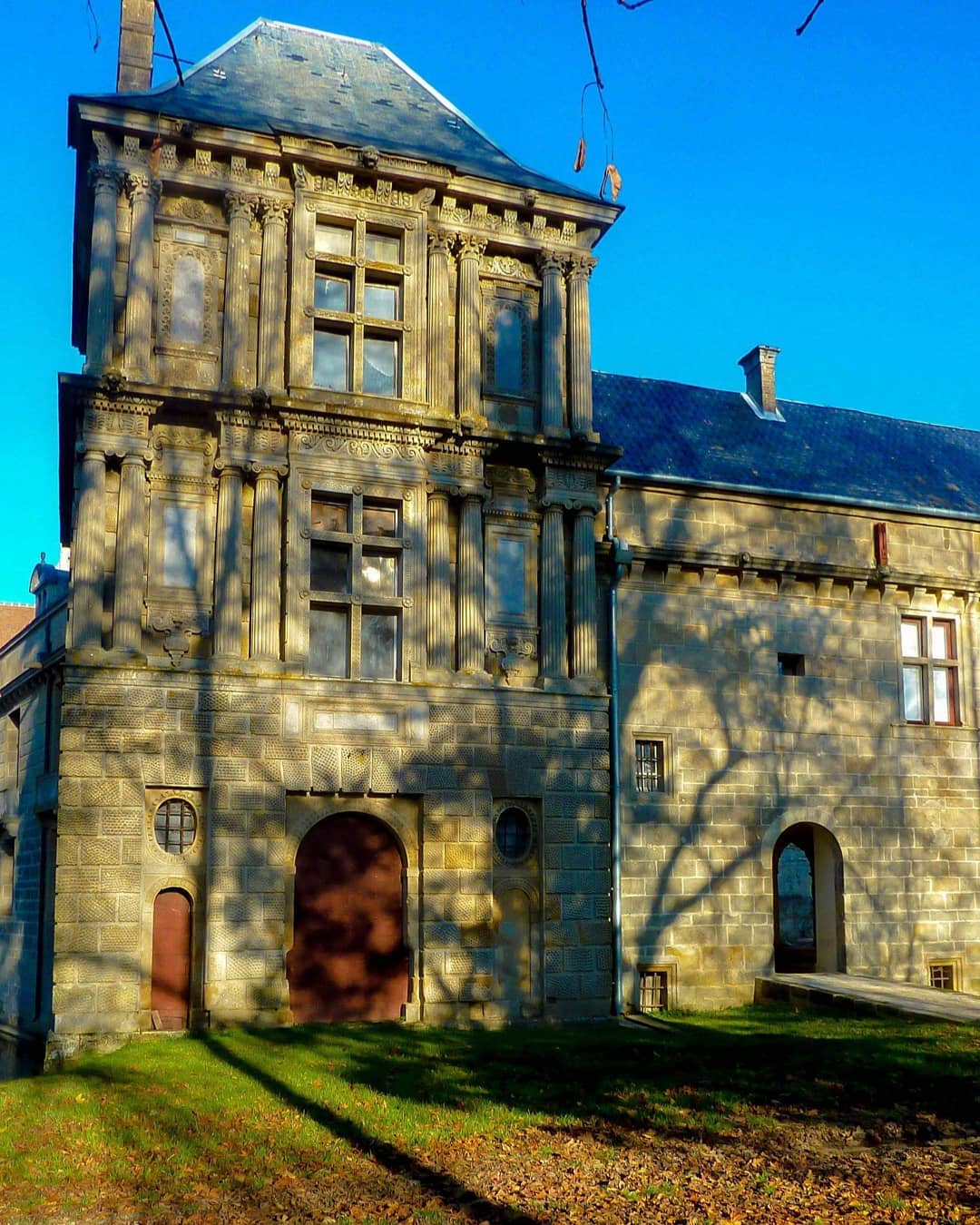
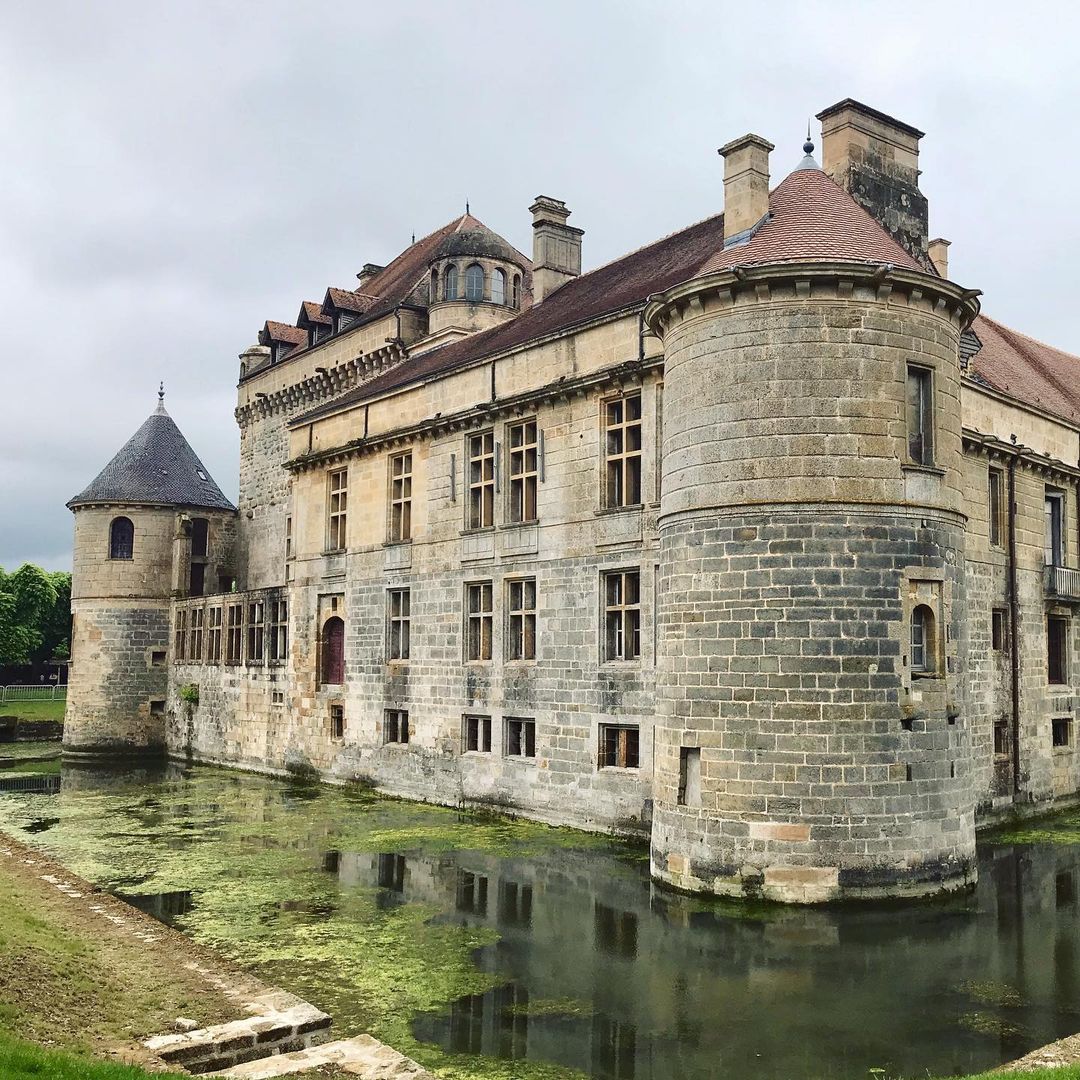
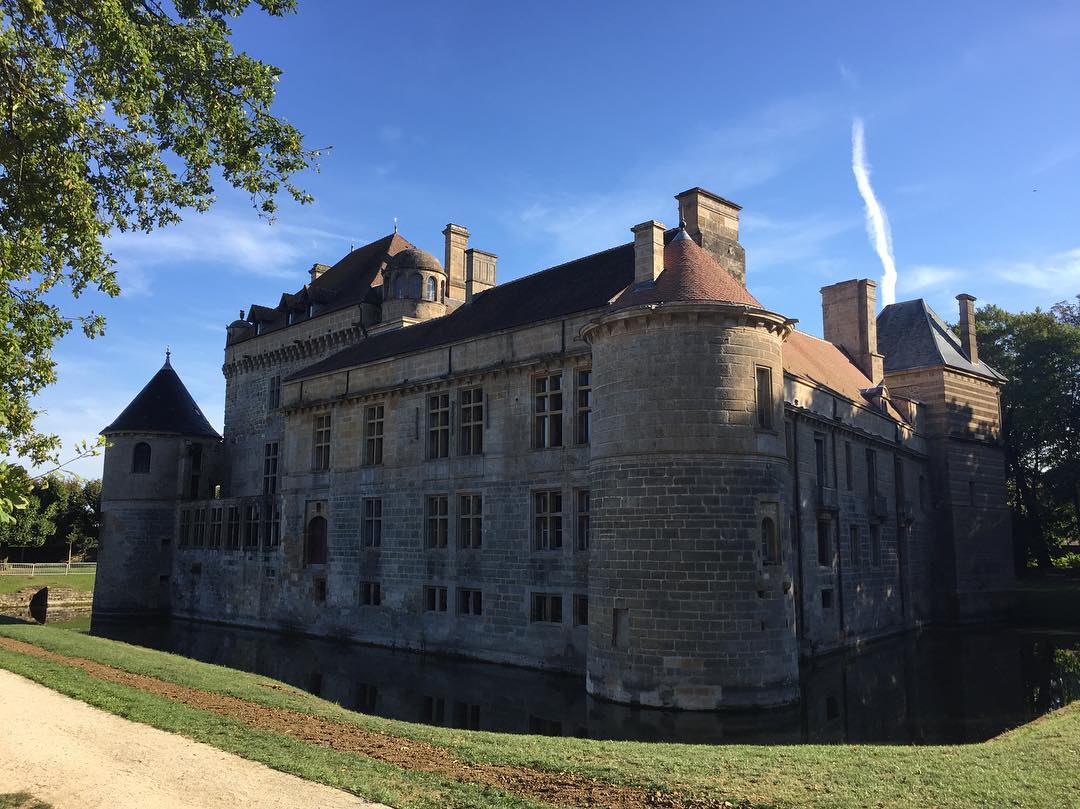
Fayl-Billot
The small town of Fayl-Billot, located in the south of the Haute-Marne, in the middle of hectares of wicker fields, is a major center for its cultivation and wicker weaving. A site devoted to this ancient know-how. The “Maison de la Vannerie” (House of Basketry) is dedicated to the presentation of wickwork and basket weaving and helds an exhibition of contemporary basketry. The basketry workshops around offer traditional or more contemporary creations as well as craft demonstrations.
- Maison de la Vannerie
- The National School of wickwork
http://www.tourisme-faylbillot.com/en/default.asp?cat_id=134
Coiffy-le-Haut and the Montsaugeonnais
In the middle of the 19th century , three quarters of the 240 families in the town lived on a wine estate of around 250 hectares . Unfortunately, the infestation of the European vineyard by phylloxera from 1863 caused about half of the French vineyard to disappear, including those of Coiffy and Montsaugeonnais .
Since the 1980s, a group of farmers decided to relaunch the wine industry . The wines produced are very aromatic while benefiting from a volume title and a structure giving them a good aptitude for aging. They can thus be tasted both young “on the fruit” and as wines for aging . The wines of Coiffy are regularly awarded with various qualitative distinctions.
- The Caves of Coiffy Domaine Florence Pelletier
- Winery
- The Church of the Nativity ( Montsaugeon )
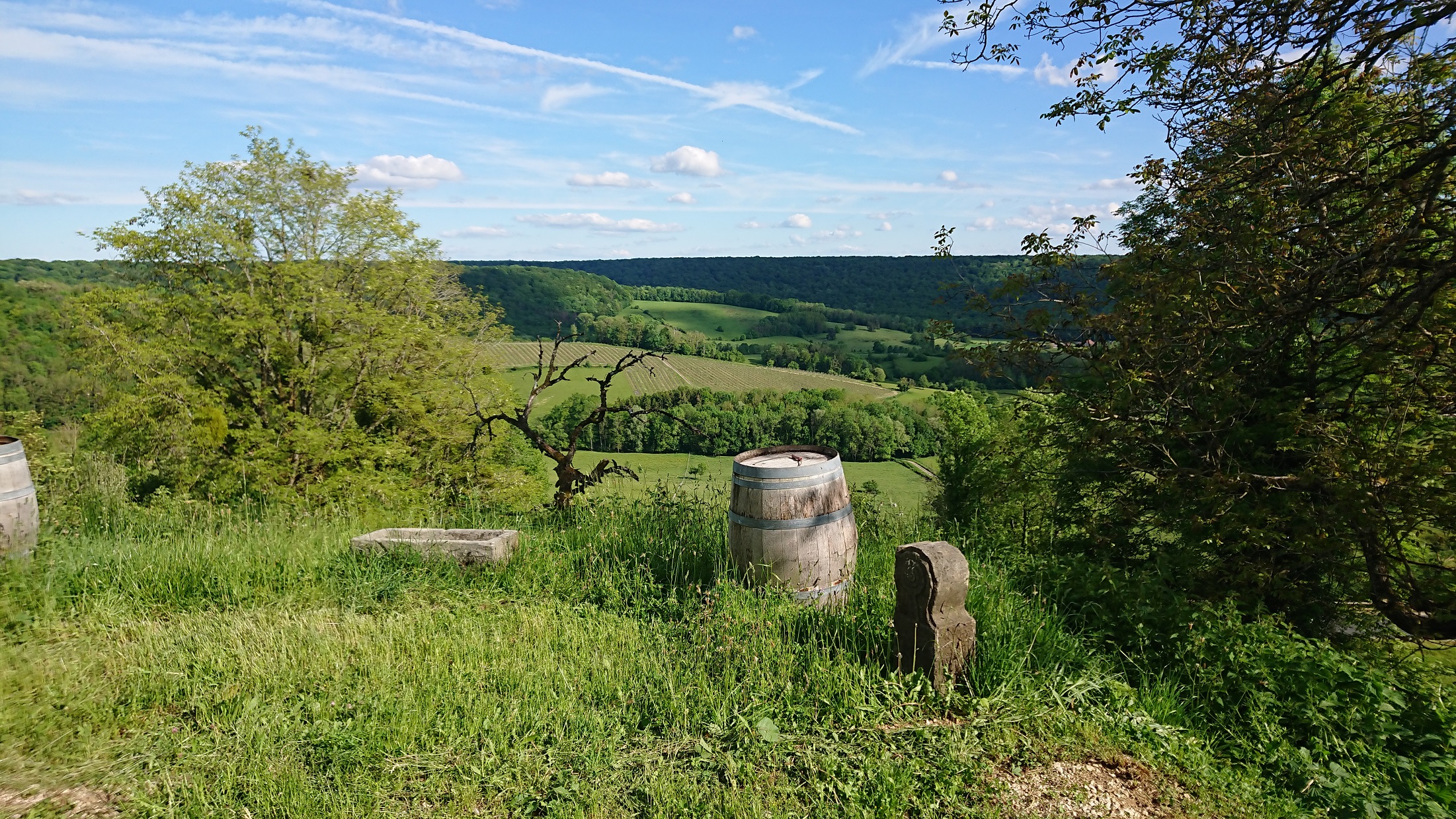
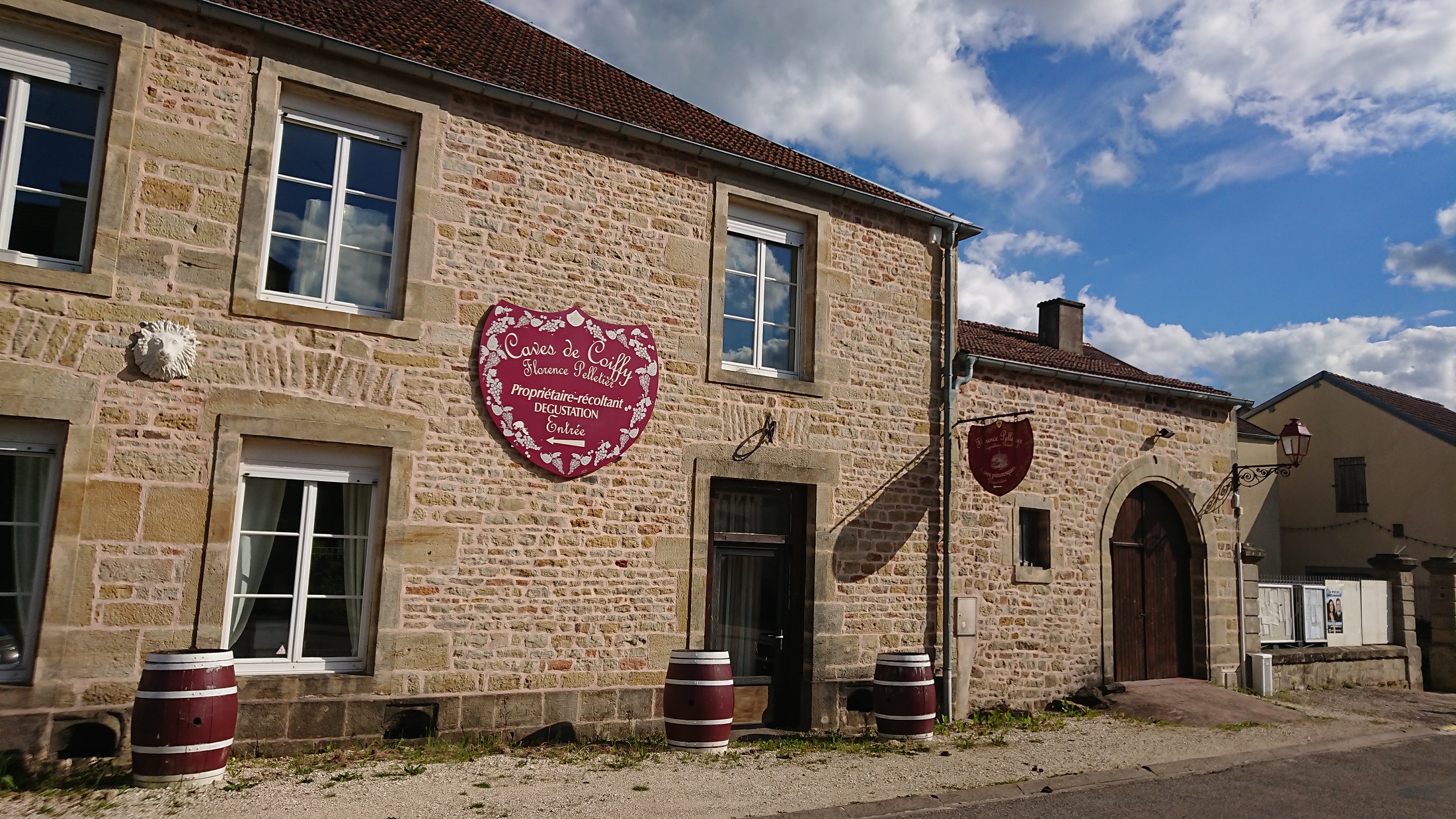
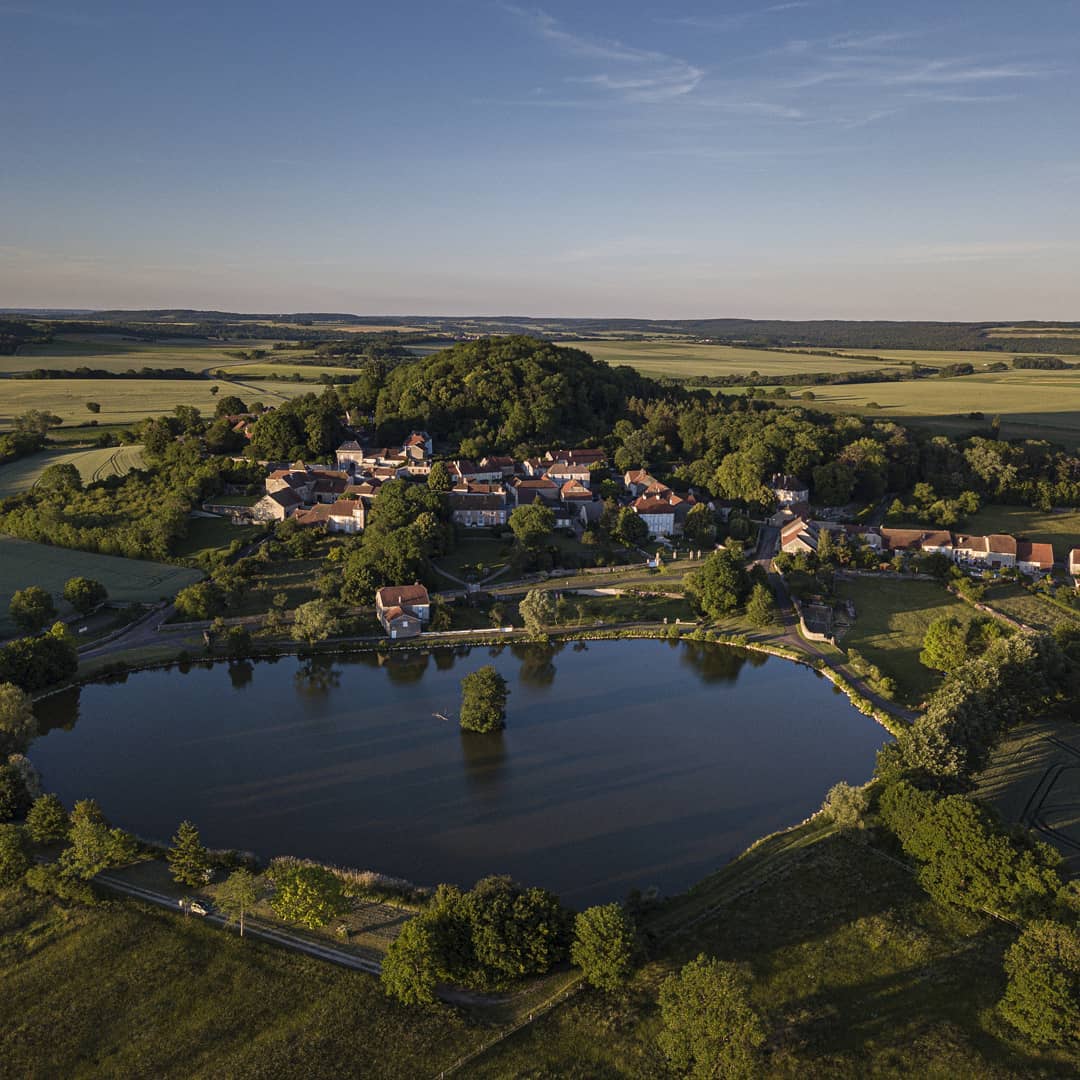
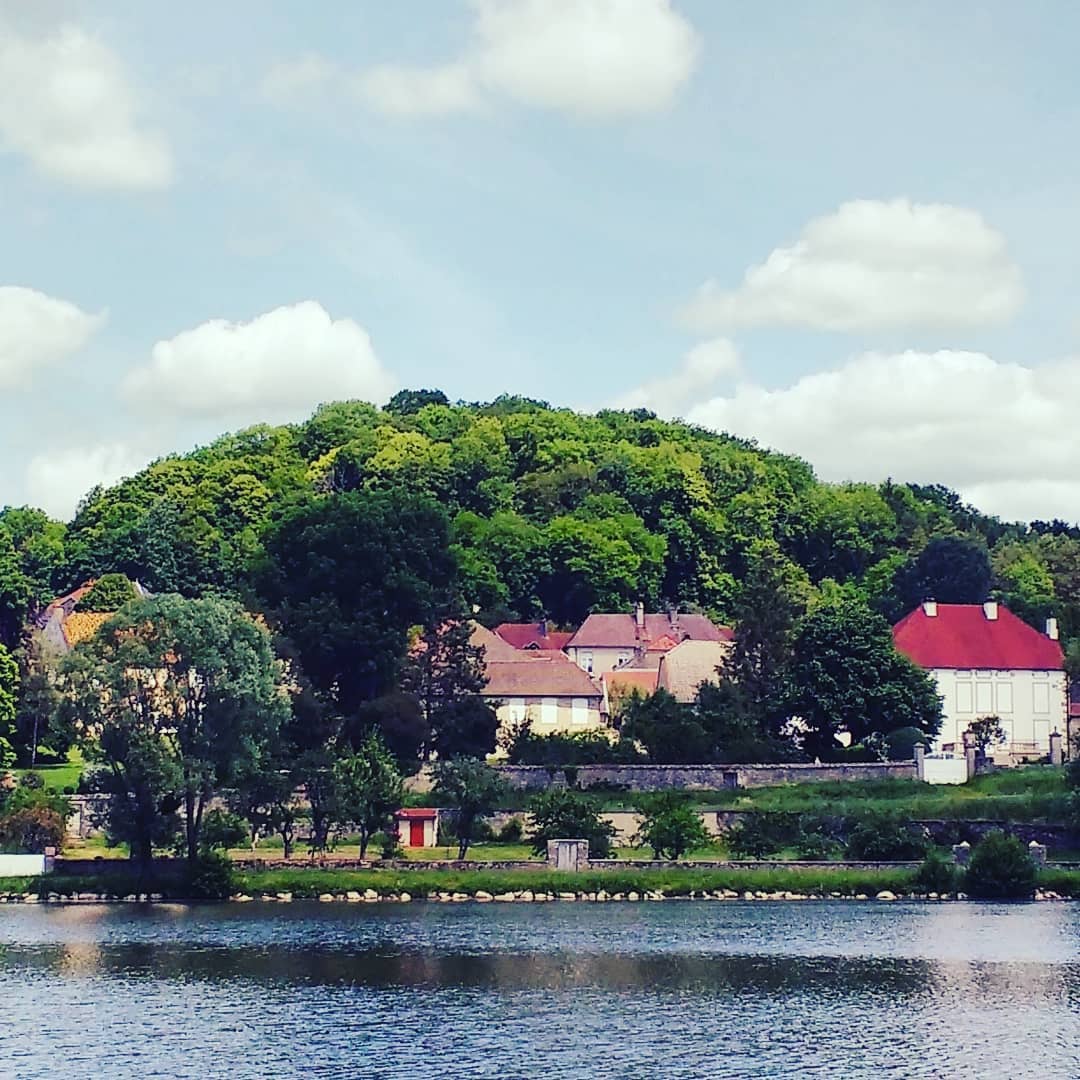
Nogent
In Nogent and its region, the cutlery activity is an ancestral know-how, the origin of which dates back to the 14th century. Refinement and diversity characterize this world famous cutlery, requested by great French houses such as Christofle and Hermès.
http://www.villedenogent52.fr/page/culture/musee/
Colombey-les-Deux-Églises
The small Haute-Marne village of Colombey-les-Deux-Eglises is famous as a place of peace and rest for General de Gaulle, great statesman of the 20th century, who bought a property in 1934. It was in this family home, named La Boisserie , that General de Gaulle received German Chancellor Adenauer in 1958 to seal Franco-German reconciliation. Today open to visitors, the Domaine de la Boisserie evokes, through its rooms accessible to the public – living room, dining room, library and office in which the general wrote his Memoirs , memories linked to the illustrious character.
Charles de Gaulle Memorial , place of memory and museum space, made up of a permanent exhibition of 1600 m² dedicated to the life and work of the famous French general, writer and politician.
Not far from there, at the foot of the monumental Cross of Lorraine , symbol of Free France, stretches the Charles de Gaulle Memorial , a place of memory and museographic space, made up of a permanent exhibition of 1600 m² dedicated to life and at the work of the famous French general, writer and politician.
Visible from around thirty kilometers around, the immense cross of Lorraine in pink granite, inaugurated on June 18, 1972, in homage to General de Gaulle and his historic call to the Resistance of June 18, 1940, dominates the village and the landscapes that Charles de Gaulle loved so much. The latter’s grave rests in the cemetery of Colombey-les-Deux-Églises.
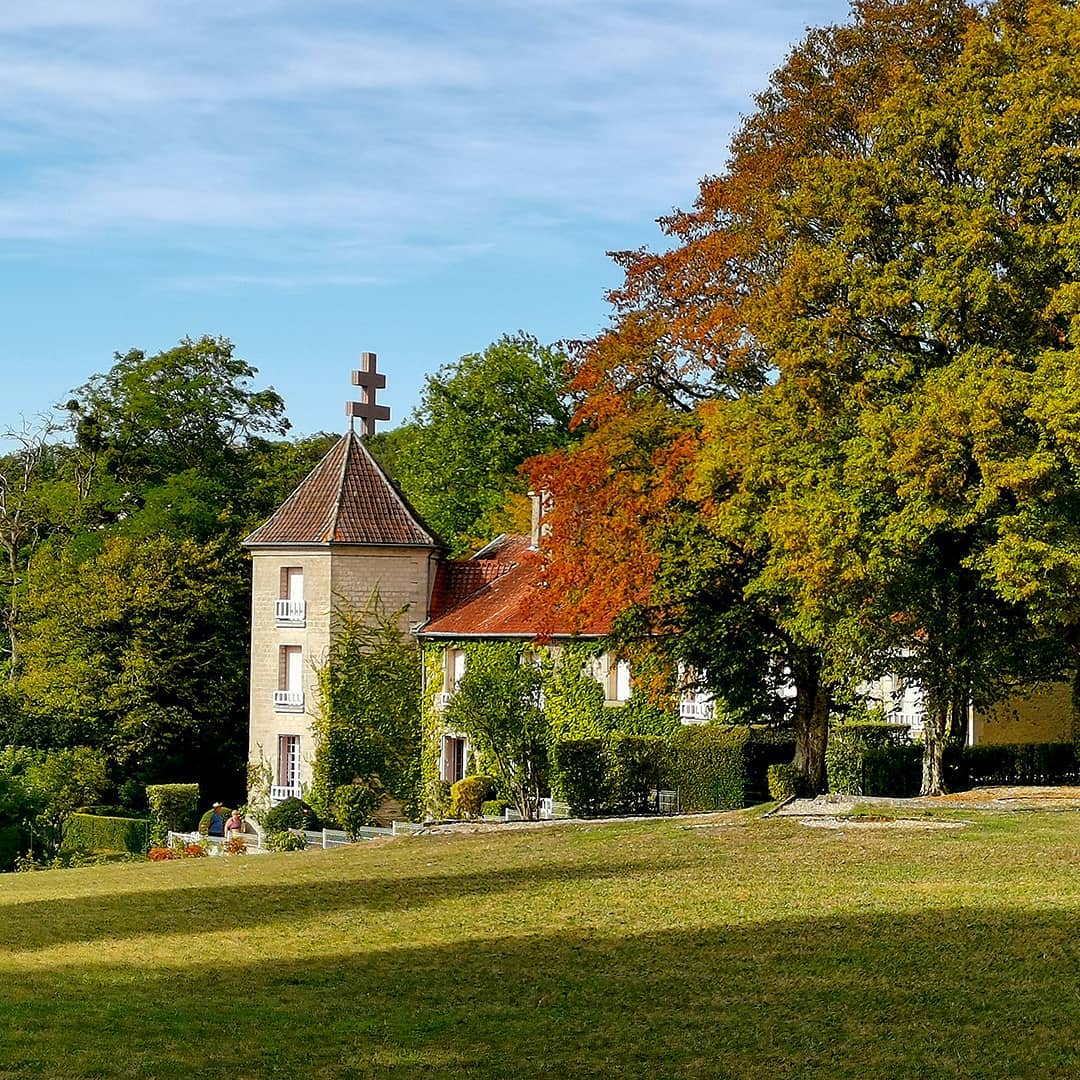
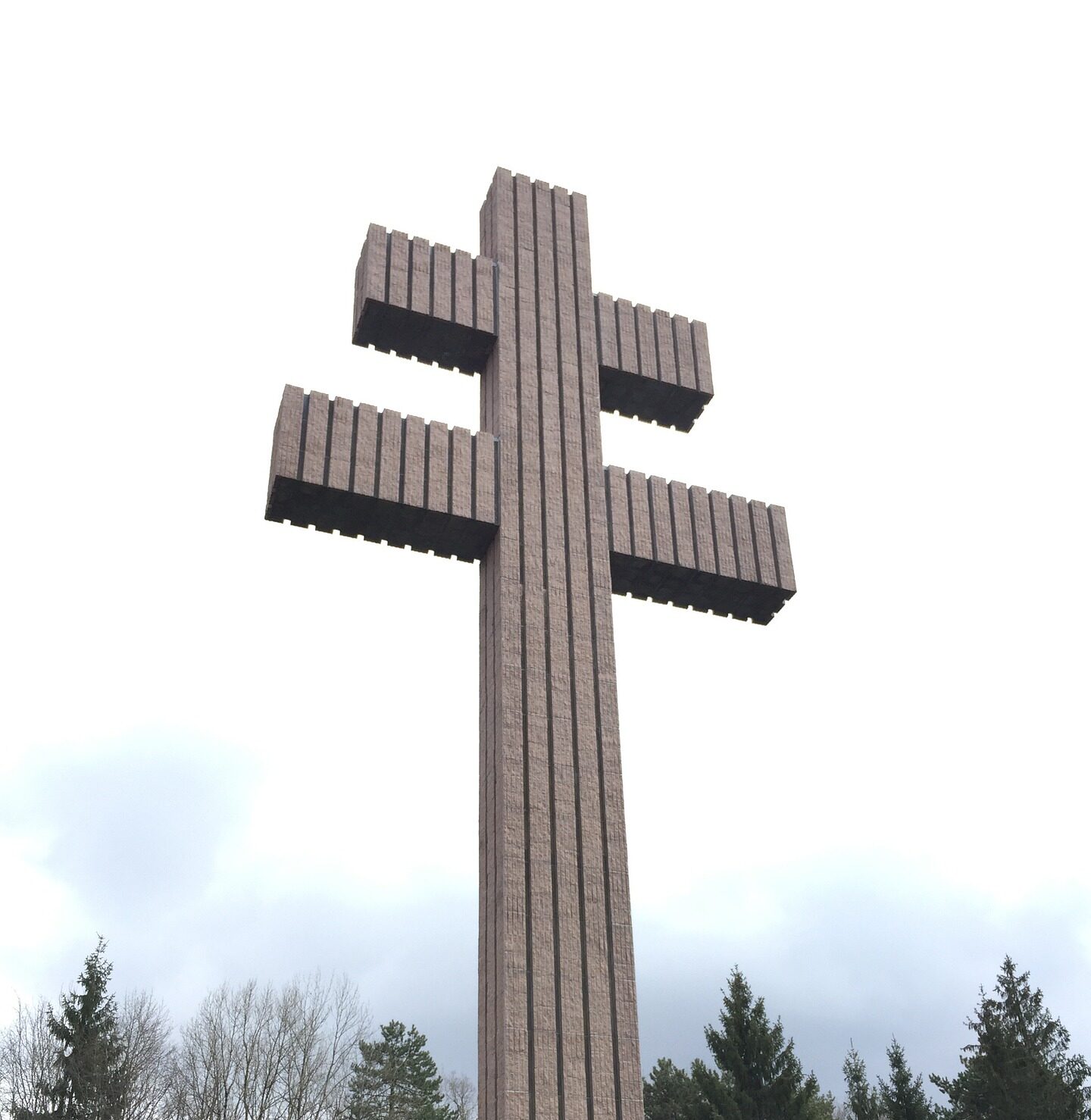
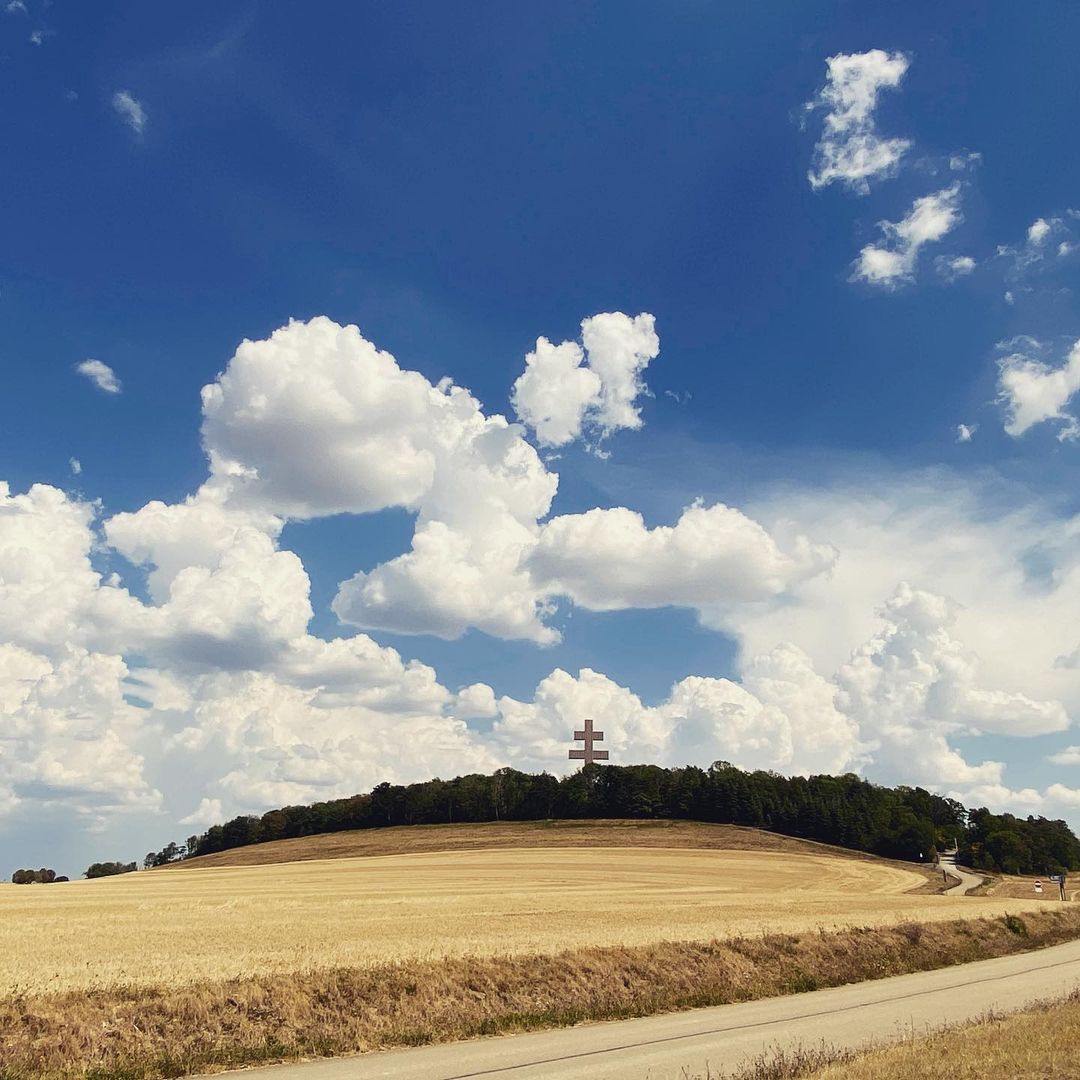
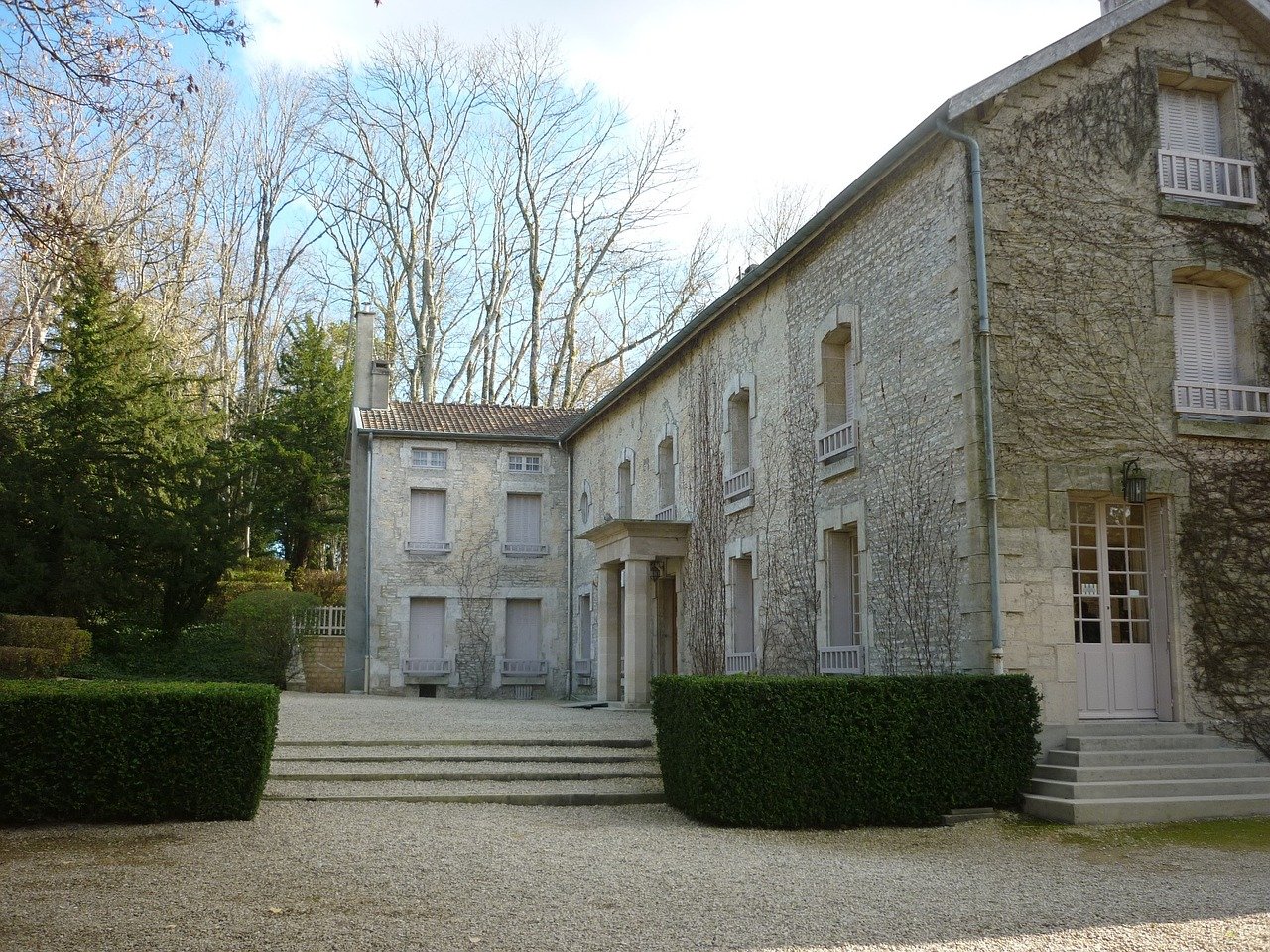
© 2023 Est France séjour privé All Rights Reserved